
Winter Salt Awareness Week: Sign the petition, reduce salt at home or watch a webinar
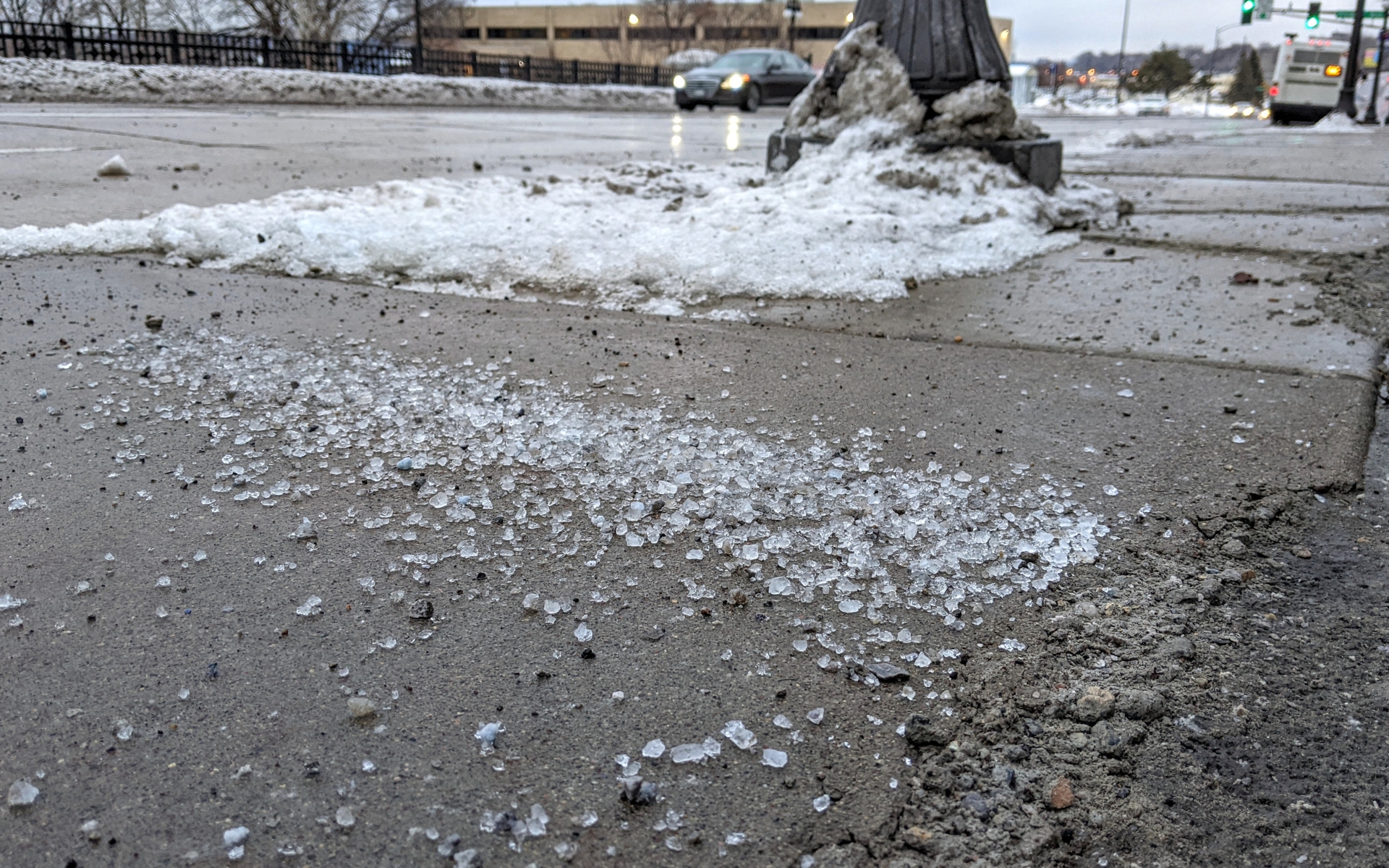
Chloride pollution caused by winter deicing salt can harm plants and wildlife. It also threatens drinking water. (Photo by FMR)
Every winter, tons of salt are spread on roads, parking lots, and sidewalks to keep us safe. But once the snow melts, that salt doesn’t disappear — it washes into our rivers, lakes, streams and groundwater. Rising salt levels stress wildlife, harm plants, corrode infrastructure and pose risks to our drinking water supply.
FMR is joining partners across the country to spotlight this growing challenge during Winter Salt Week, helping communities understand the impacts of salt pollution and explore practical steps we can all take to protect freshwater. (Thanks to Gov. Tim Walz and the many communities across the state who have officially proclaimed the last full week of January as Winter Salt Week in 2026.)
How you can participate this winter
Join or share a webinar
Experts in environmental science, public works, engineering, and policy will share insights on smarter winter maintenance, community action, and innovative solutions daily throughout the week 12:30-1 p.m. (Central). Currently, the 2025 and 2026 webinars are posted on Wintersaltweek.org.
Many webinars are intended for policymakers, HOA leads and other community leaders. Some videos feature successful safe and stewardship-minded practices, such as this one from CJ's, a family-owned grounds maintenance company in Wisconsin, that can be shared with salt crew leads and others.
Reduce salt at home
Check out FMR's winter tips to safely salt your sidewalk and protect the river.
Educators: Share the tale of Salty Dawg
Dakota Soil and Water Conservation District staff developed an engaging activity packet for educators, complete with an editable Salty Dawg activity book.
Sign the petition