
St. Croix Watershed Research Station: 3 steps to clean water
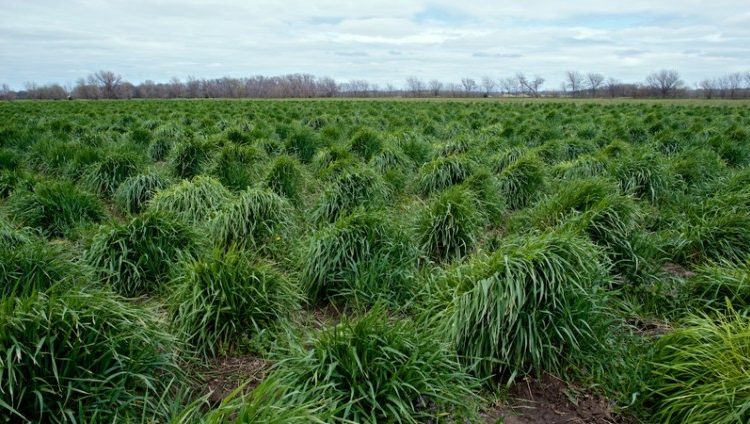
Roots extend deep below this green field of Kernza, a perennial wheat being developed by the University of Minnesota. Thanks to features like deep roots, crops like Kernza protect water quality and improve soil health while providing an economic return for farmers.
Earlier this month, our friends at the St. Croix Watershed Research Station posted a compelling ‘Field Notes’ article highlighting three ways experts think Minnesota could make measurable progress on improving water quality in Minnesota.
The article summarizes the conclusions of a recent panel of leading agriculture and water quality experts (including FMR’s own Whitney Clark and Trevor Russell).
The panel’s conclusions formed the basis of a unique report to Minnesota Governor Mark Dayton and his administration. That report – “Moving the Needle: Improving Water Quality in Minnesota While Developing Our Agricultural Economy” – identified three primary approaches to reducing agricultural runoff to Minnesota’s surface waters and groundwater:
- Diversify our crop portfolio: Convert a minimum of 10 percent of land currently planted with corn and soybeans to profitable perennial crops.
- Slow down runoff: Hold runoff back using perennial crops, wetlands, and managing agricultural drainage systems.
- Make the solutions pay: Develop new agricultural markets and economic incentives to fund systemic changes.
These changes, once adopted, will greatly improve water quality and environmental health in Minnesota while creating a more diverse and resilient agricultural economy.
Want to make a difference in state water policy? Join the FMR River Guardians. We'll send you a link to act quickly act online when the time is right, plus occasional invites to special events like River Guardian happy hours. This is the best way to keep up to date on actions you can take to protect our great river!