Conservation

FMR works with public and private landowners, local government agencies and concerned community members — including thousands of volunteers — to protect and restore bluffs, prairies, forests and other lands important to our communities and the health of our metro Mississippi.

Here's what our conservation staff are currently working on and encountering in the field. 

Learn more about all our protection and restoration sites at our conservation map, as well as more information about our approach and program.

Conservation updates are also shared on social media (Facebook and Instagram) and in our Mississippi Messages newsletter.
POSTS

St. Paul’s newest islands are living laboratories for climate resilience
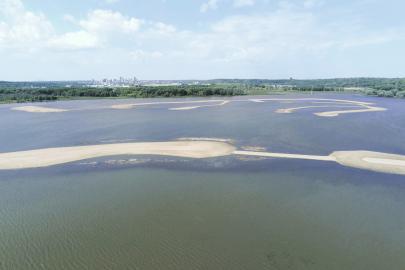
Newly constructed islands are already providing quality habitat in Pigs Eye Lake. These islands are also the site of an FMR experiment that will help us understand how to create and care for climate-resilient floodplain forest. Read more
Aerial view of new islands in Pig's Eye Lake in St. Paul
Where we work: Dakota Conservation Area
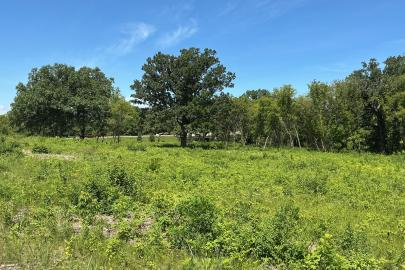
Not to be underestimated for its size, this 6-acre oak savanna restoration provides visually stunning critical habitat along the Vermillion River. Read more
Oak savanna growing green
The Mississippi flyway: North America's largest bird migration route
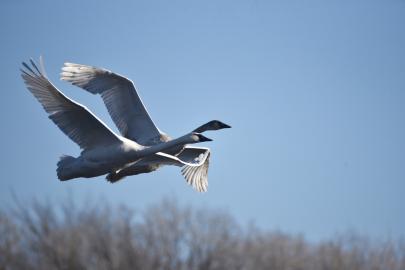
More than 325 species rely on the Mississippi flyway, a migration path stretching along the Mississippi River from the Gulf to the headwaters and beyond. Here in the Twin Cities, we're lucky to live in its midst each spring and fall. Read more
Two trumpeter swans fly over bare trees
Washington County voters: Help spread the word to vote 'yes'
This election season, we have a special request for Washington County voters: please spread the word about the importance of voting ‘yes’ for your local environment on Tuesday, November 3. Read more
Volunteers on a dirt trail in a rare prairie with the Mississippi River in the background.
Guiding community-led habitat restoration efforts
A new stewardship model for parks beloved by committed neighbors: FMR provides technical guidance, but neighbors lead. Read more
Volunteers walk across bridge toward forested area and Minneapolis buildings
Thanks to our 2026 summer field ecology interns!
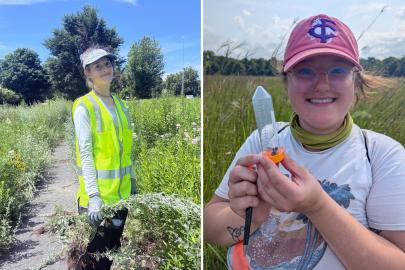
Anna and Jayden, our summer field ecology interns, helped restore and manage conservation sites, and monitored the impacts our habitat restoration work is having on wildlife. Read more
Anna and Jayden out in the field
Where we work: Vermillion River Aquatic Management Area
The cold water trout stream and wide floodplain wetlands at the 450-acre Vermillion River Aquatic Management Area (AMA) in Dakota County offer opportunities for angling, hunting, trapping and wildlife observation. Read more
Wetland area
Minnesota's native thistles: Big benefits for birds, bees and more
Not all thistles we see in Minnesota are non-native and invasive. Here's how you can tell if you're looking at one of our few native thistle species. Read more
Pollinators and insects on the blooming flower of a field thistle.
The results from our multi-year bumble bee research study are in
How can we improve habitat for bumble bees? That's the question our multi-year research project sought to answer. Read more
Rusty-patched bumble bee on vervain
Where we work: Gores Wildlife Management Area
This 7,000-acre network of winding backwaters and lush green islands where the Vermillion meets the Mississippi is one of the largest expanses of floodplain native plant communities in southeast Minnesota. Read more
Weltands and confluence of rivers with Hastings bridge in background

Pages

Upcoming Events

Wednesday, November 18, 2026 - 5:30pm
Wabasha Taproom, St. Paul
November 1 - 19, 2026
Online