
Check out our stream health report from 2025 monitoring
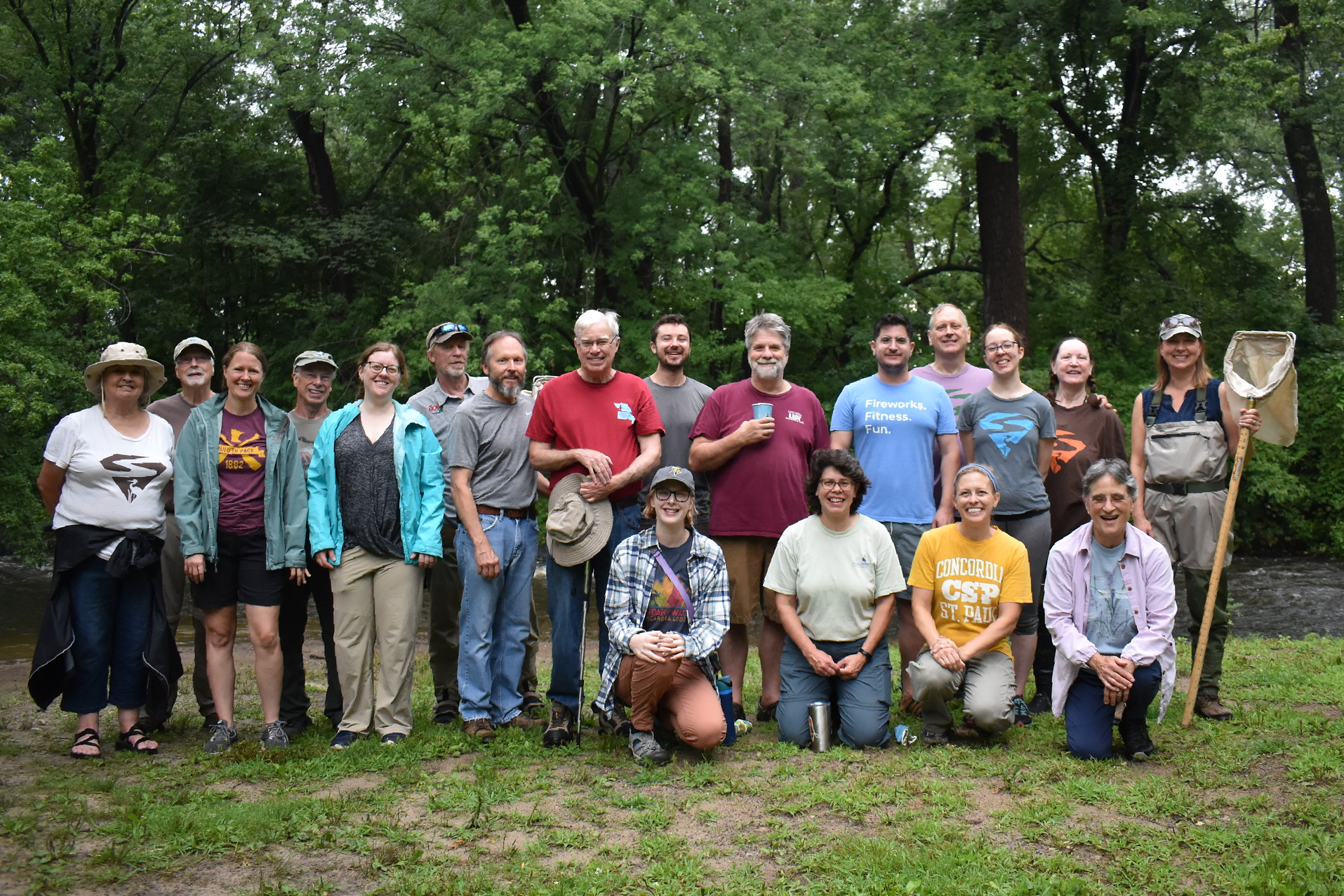
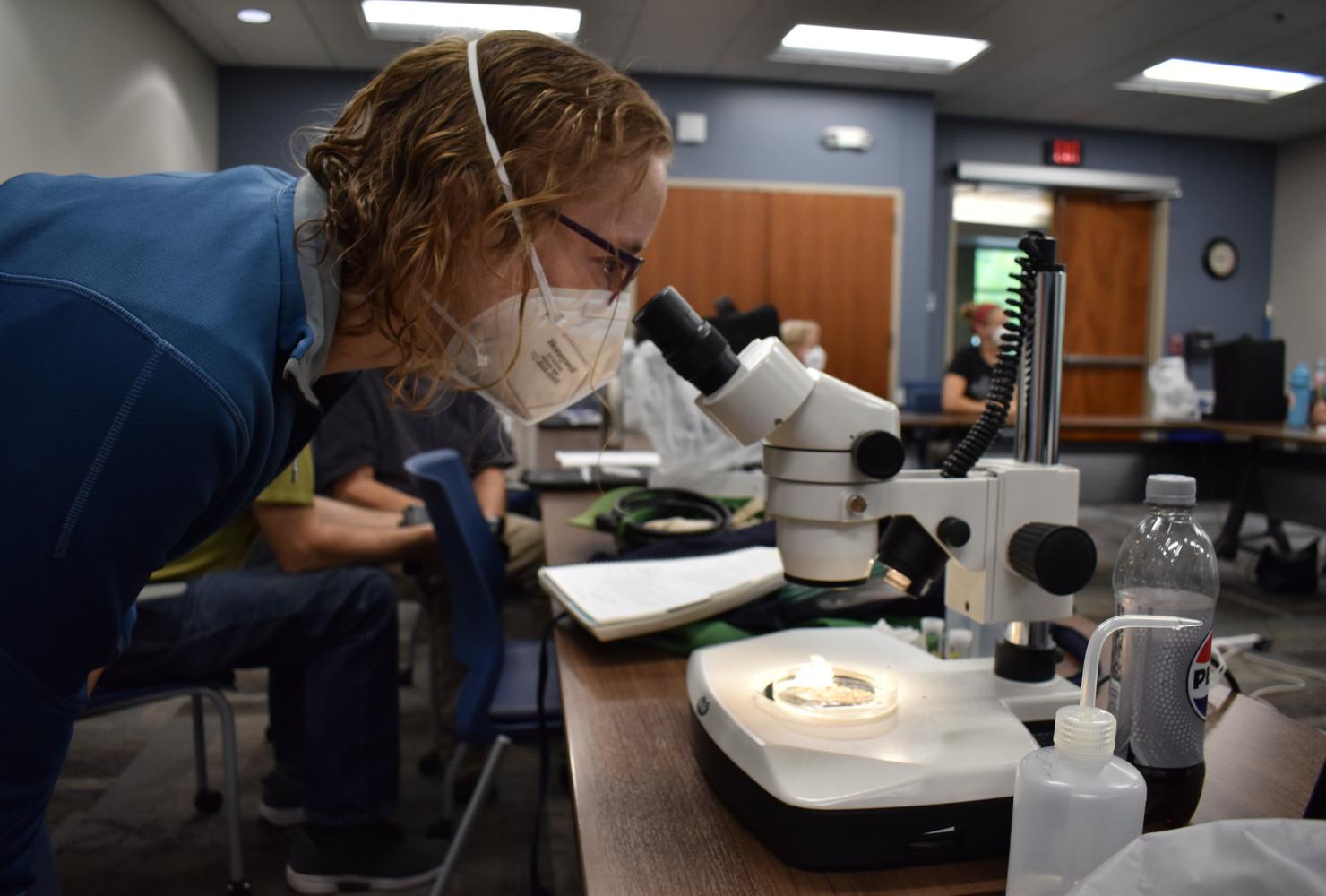
Stream health monitor volunteers gather to learn how to sample macroinvertebrates. (Photo by Alexandra Jabbarpour for FMR)
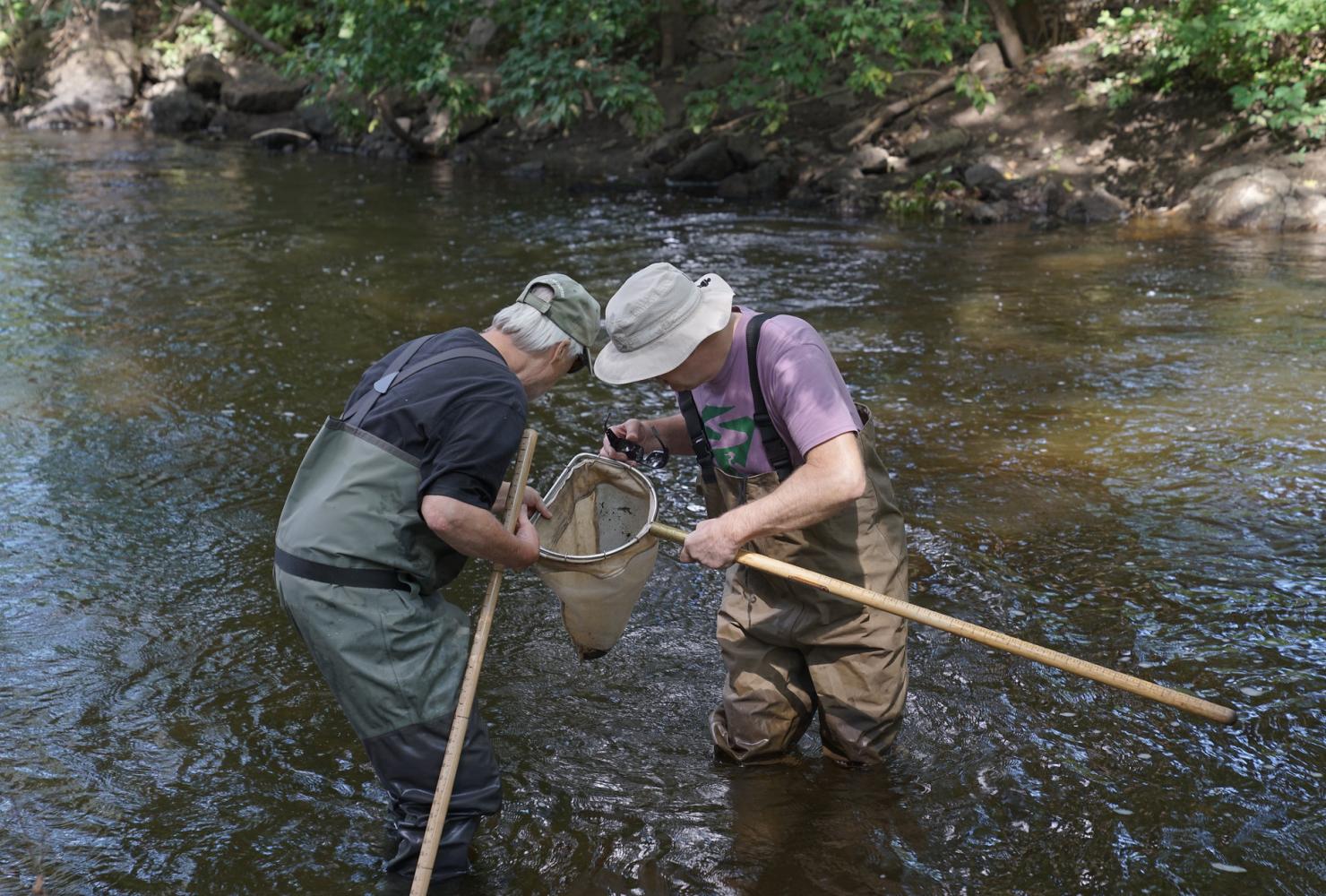
Since 2006, FMR volunteers have sampled benthic macroinvertebrates — or small stream-dwelling bugs — and studied these samples to assess water quality in the Rice Creek Watershed District, just north of the Twin Cities.
Our Stream Health Evaluation Program (SHEP) volunteers each contribute roughly 15-35 hours of work between July and November before drying waders and returning microscopes. Our contracted field biologist, Katie Farber, then conducts data analysis on what they've found, reviews the program's monitoring accuracy and writes a summary report of stream health conclusions for each of nine sampling sites — all of which are part of Rice Creek itself or part of major streams that flow into it.
Overall, the 2025 report shows mostly positive or at least stable trends for stream health at our sampling sites in the Rice Creek watershed. That's good news for the Mississippi River. Rice Creek is an important tributary, and water quality successes in the watershed eventually flow downstream.
A deeper dive into the findings
Farber calculates a health score based on the findings from each site, ranging from very good, good, fair, fairly poor, poor to very poor.
The 2025 report shows four sites with good scores, indicating some organic pollution is probable. (In the report, these sites are named: Clearwater Creek, Hardwood Creek Above, Locke Lake Above and Locke Lake Below.)
Five sites scored in ranges that indicate more substantial pollution, from fair to poor. (In the report, Locke Lake Park scored fair; Rice Creek Above, Rice Creek Below and Rice Creek Irondale scored fairly poor; and Hardwood Creek Below scored poor.)
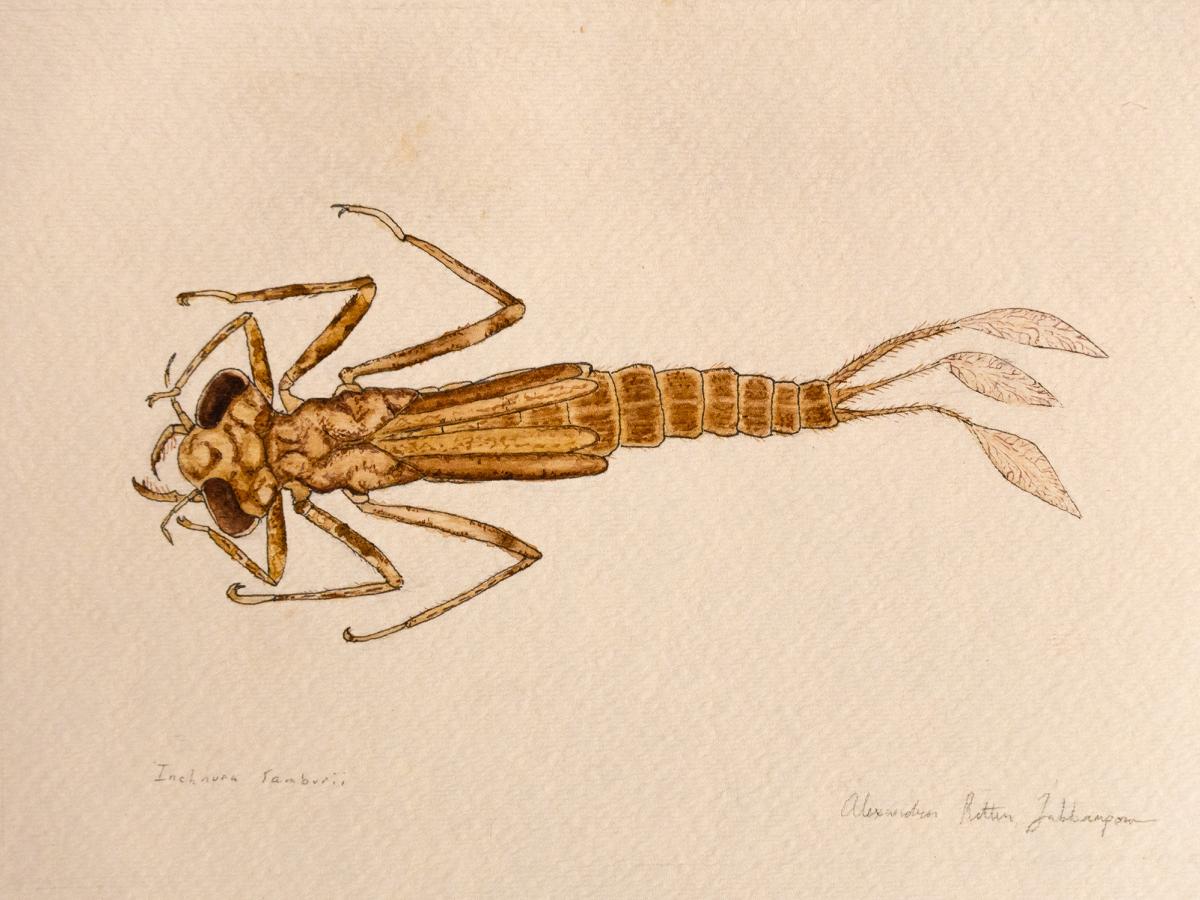
How can aquatic insects help us measure water quality?
Meet three critters our monitoring volunteers sample — and find out what they might mean about stream health.
Trends over time
A vital aspect of SHEP is its long-term monitoring. Organic pollution, as well as other environmental factors, including water levels, habitat availability and other sources of disturbance, vary year to year. Because SHEP volunteers sample the same sites annually, this data provides a more reliable picture of water quality over time, allowing researchers and the watershed district to adapt management decisions and the public to follow the progress.
With the addition of the 2025 scores, the long-term summary data from SHEP shows overall improving or relatively stable scores for eight of the streams. Only one, a site we call Hardwood Creek Below, continues to show a clearer "worsening" trend line.
Cheers to SHEP volunteers!
This long-term monitoring project would not be possible without the dedicated and passionate volunteers and team leads. Most return year after year. Many have been with the program since its founding and have now completed their 20th season.
SHEP volunteers, who come from a variety of backgrounds, continued their typical trend of high accuracy. Farber found that they correctly identified approximately 99% of macroinvertebrates in 2025. That quality makes the SHEP dataset valid and valuable for research and policy.
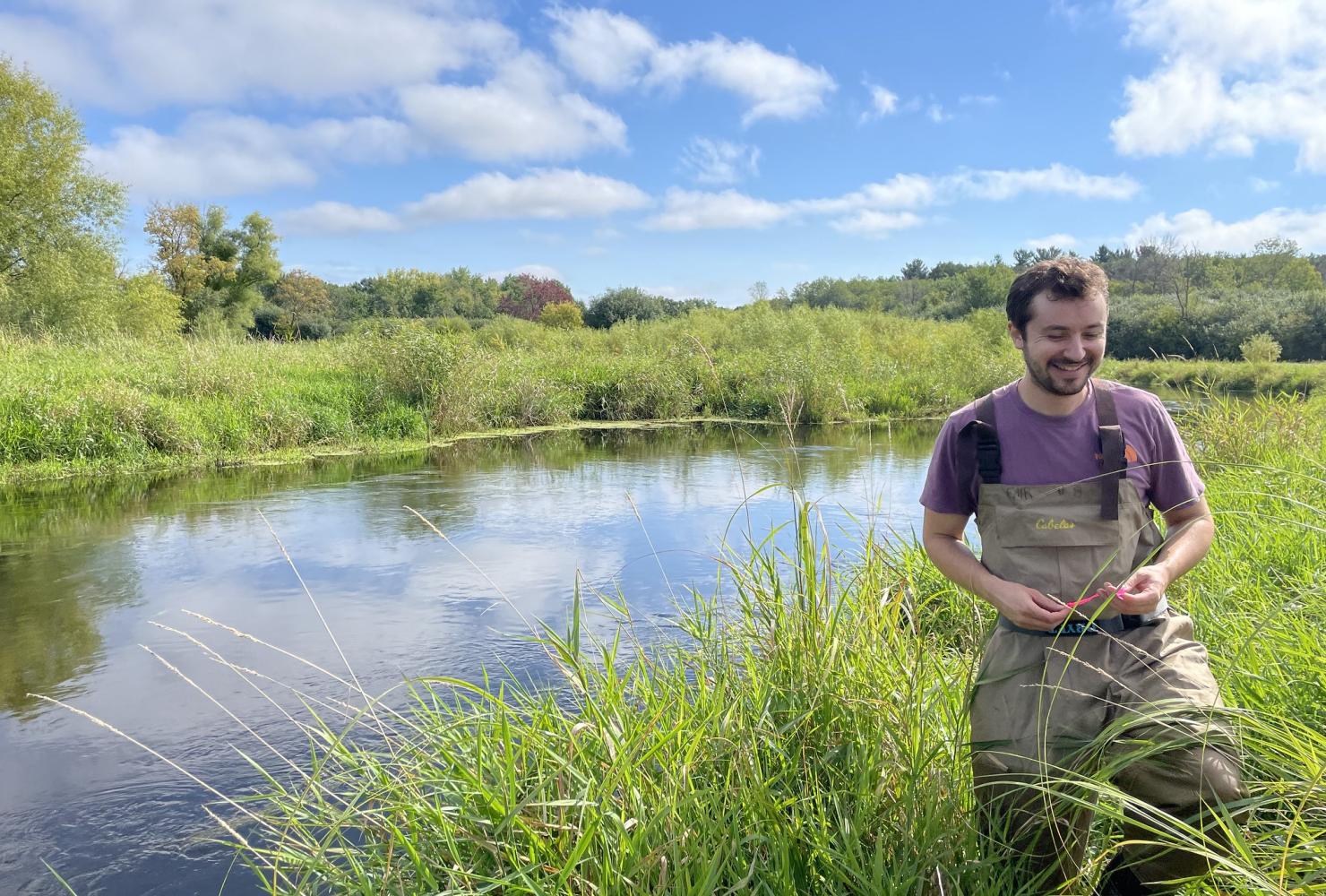
Slideshow: 2025 season


Check out the full report
Each year, we submit a full report to our partners and funders at the Rice Creek Watershed District. Read the detailed findings in the 2025 SHEP report, or see the full archive here.
Get involved
Our SHEP teams may have a few volunteer openings for 2026. Preference is given to Rice Creek Watershed District residents, who are especially encouraged to apply. (Check this map to see if you live in the watershed.) You can learn more about volunteering here or contact SHEP@fmr.org.
Project support
The Stream Health Evaluation Program is made possible through funding and support from the Rice Creek Watershed District, our SHEP volunteers and team leads, as well as our longstanding partnership with field biologist Katie Farber of Bolton & Menk, Inc.