
Gores Wildlife Management Area
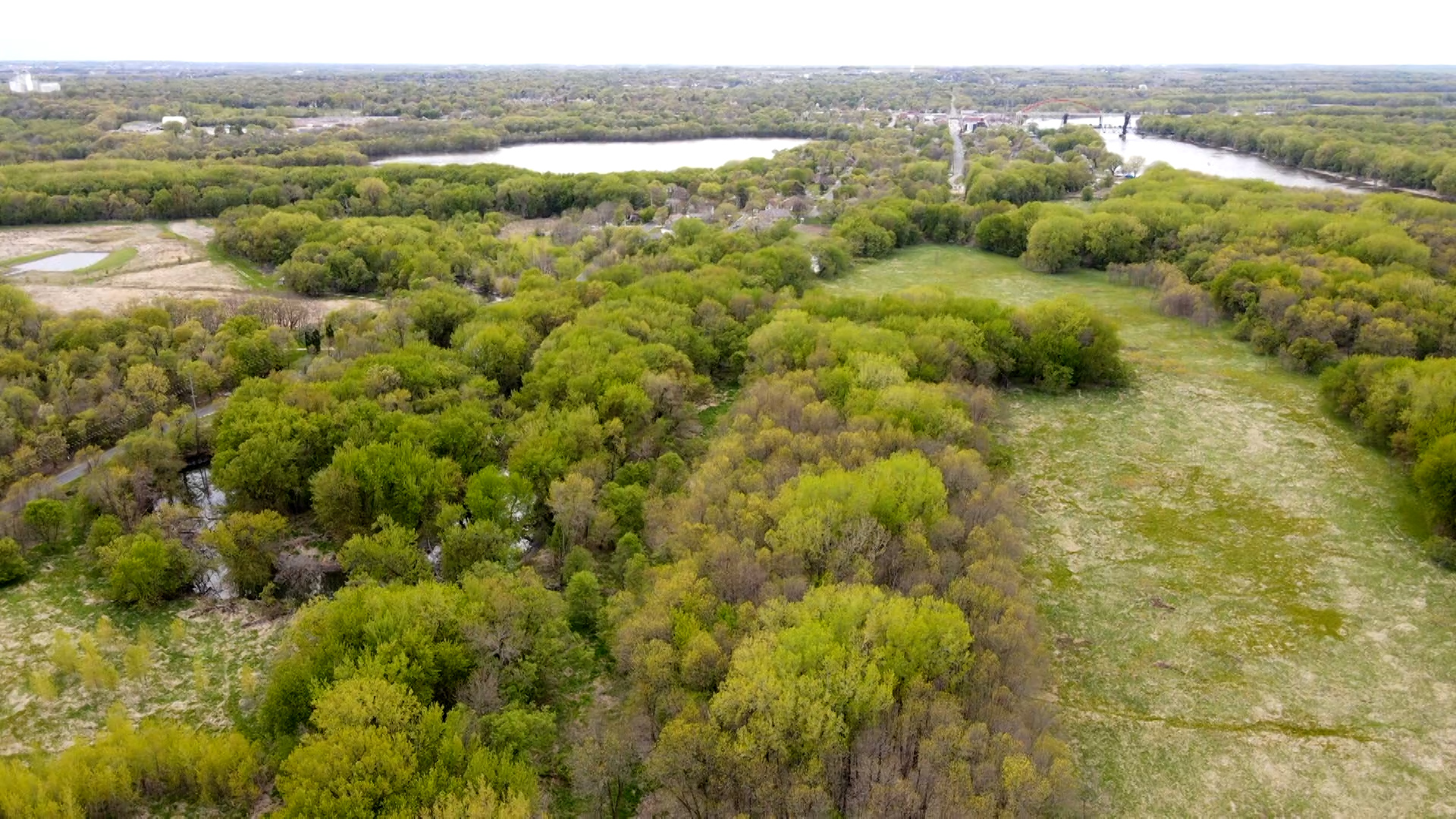
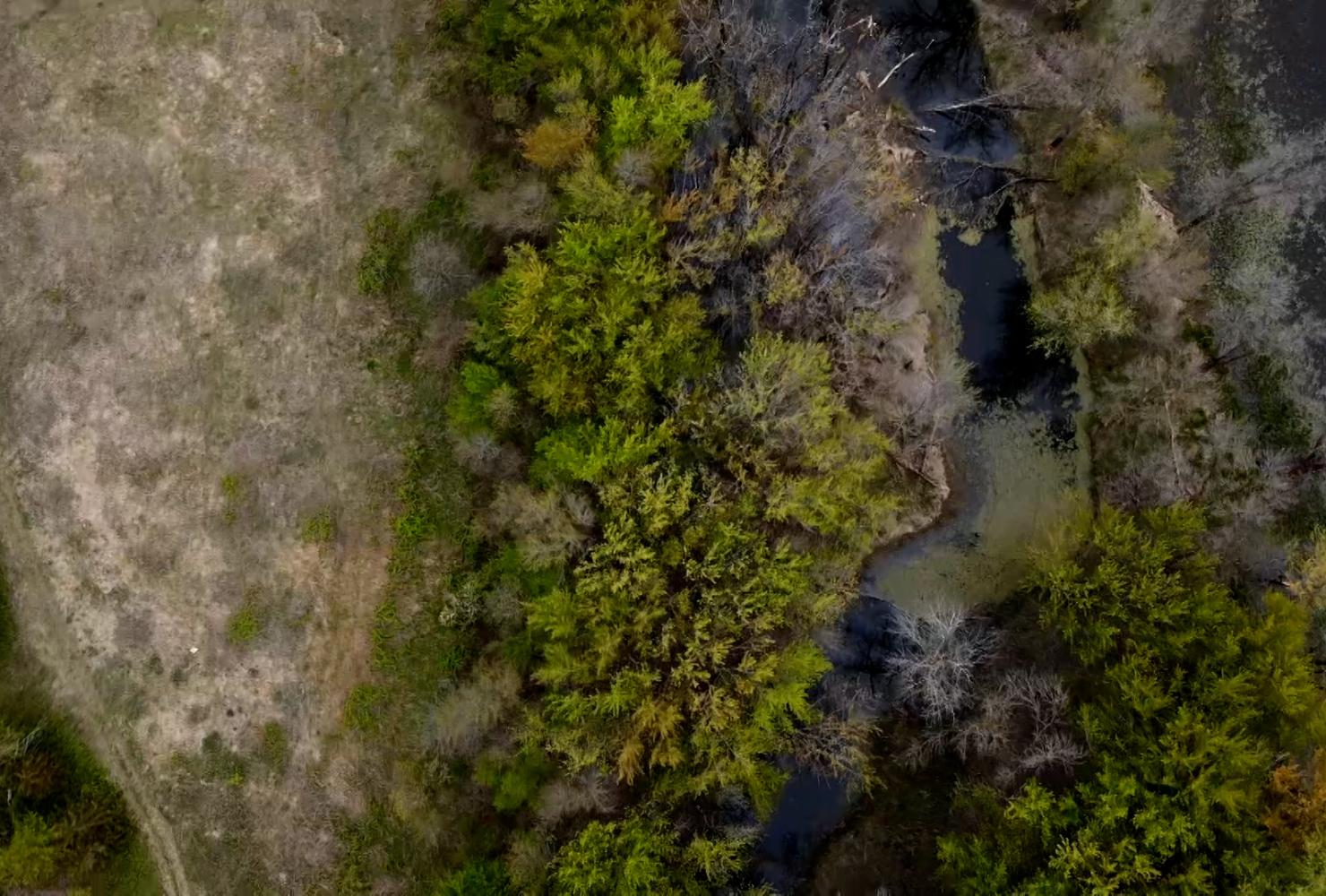
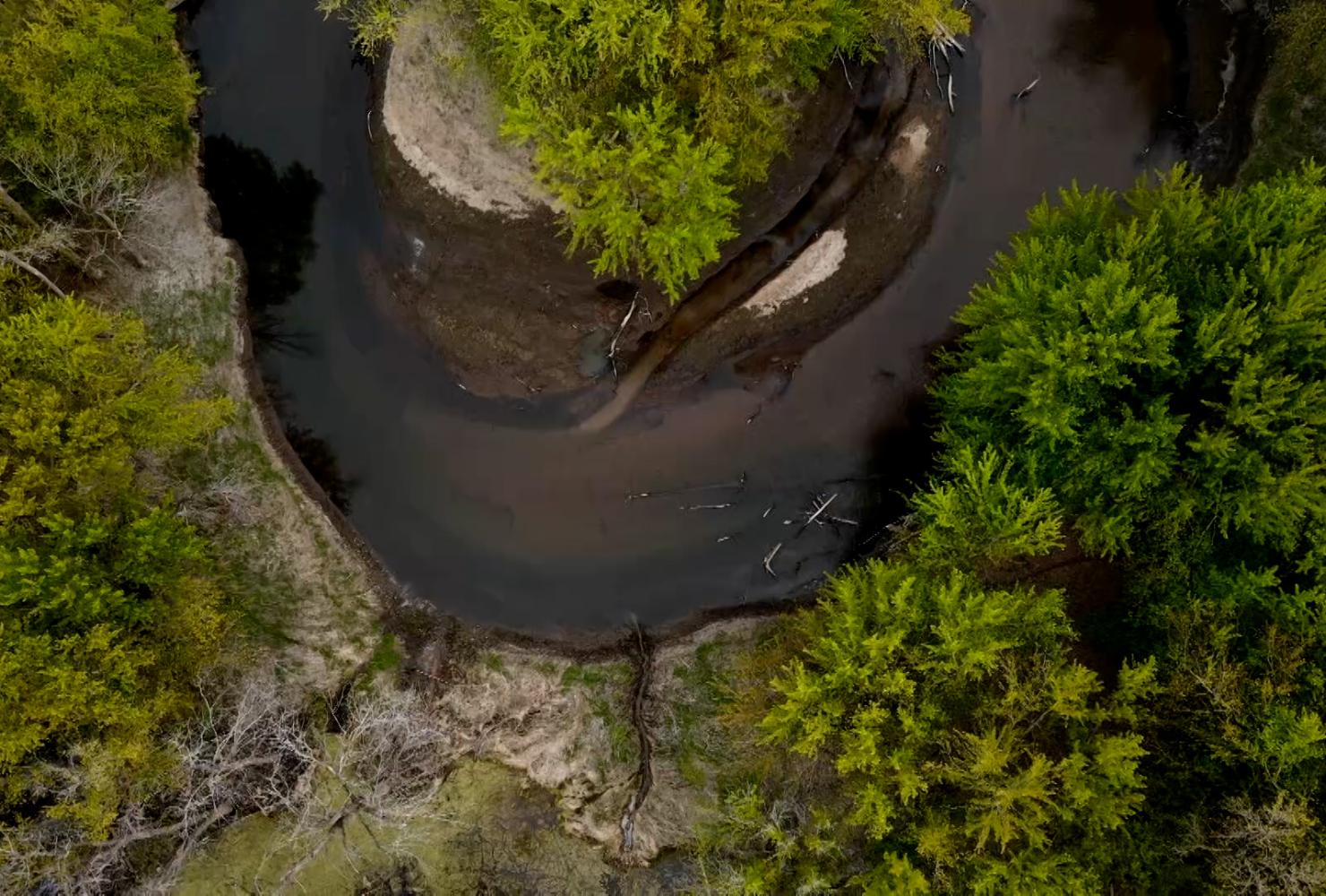
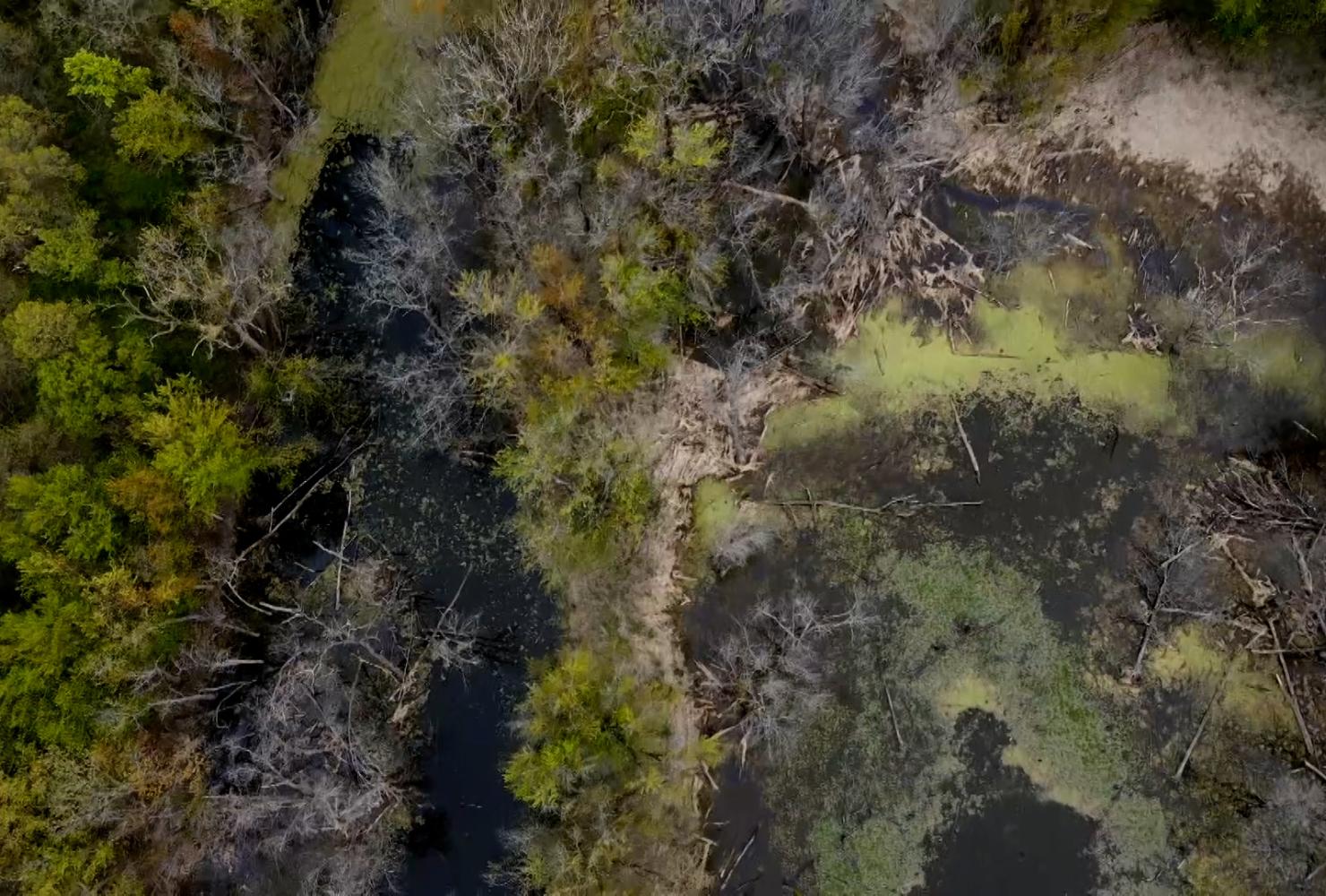
This 7,000-acre network of winding backwaters and lush green islands where the Vermillion meets the Mississippi is one of the largest expanses of floodplain plant communities in southeast Minnesota. (Photo by Mike Durenberger for FMR)
Where is Gores Pool #3 Wildlife Management Area?
Gores Pool #3 Wildlife Management Area (WMA) consists of more than 7,000 acres of public land, including floodplain forest, marshland and backwaters along the Mississippi River and Vermillion River Bottoms in Hastings.
This network of winding backwaters and lush green islands lies just east and south of downtown Hastings. Upstream, this site directly connects to FMR's prairie, oak savanna and floodplain forest restoration projects at Old Mill Park, Vermillion Falls Park and Vermillion River Linear Park.
The public is welcome to visit Gores Pool #3 Wildlife Management Area. (See the Minnesota Department of Natural Resources' website for more info.)
Our work here takes place on Dakota homelands.
What's special about Gores Pool #3 Wildlife Management Area?
Gores WMA is one of the largest expanses of floodplain native plant communities in southeast Minnesota. There are large stands of silver maple and cottonwood, two tree species adapted to spring high water and summer drawdown. These trees provide shade for many animals that rely on a matrix of floodplain and wetland habitat, including birds, frogs and turtles.
This area is vital for water quality and quantity. The Vermillion River naturally meanders through Gores WMA. These natural curves cause water to move at a slower pace across the landscape, carrying less energy and causing less erosion. The entire floodplain is critically important for providing a reservoir for excess water during flood events. Floodplains and wetlands are natural sponges. They provide a spot for water to slow down and rest. Pollutants, including sediment, fall out of the water column when the water slows down. In this way, the land can filter the water before it moves to our downstream neighbors.
Get a bird's eye view of the Vermillion River corridor as it flows into the Mississippi River in Hastings in this video:
Our work at Gores Pool #3 Wildlife Management Area
Our work at Gores WMA began when the DNR purchased a high-quality parcel of land at the confluence of the Vermillion and Mississippi Rivers in 2008. FMR played a key role in the protection of this parcel. The DNR split this 307-acre parcel up, adding 187 acres to Gores Aquatic Management Area (AMA) and adding 120 acres to the existing WMA.
FMR wrote a natural resources management plan for the whole 307-acre addition, meaning our work spans both the AMA and WMA. We began implementing restoration on a subset of these acres in 2010, eventually touching 248 of those acres.
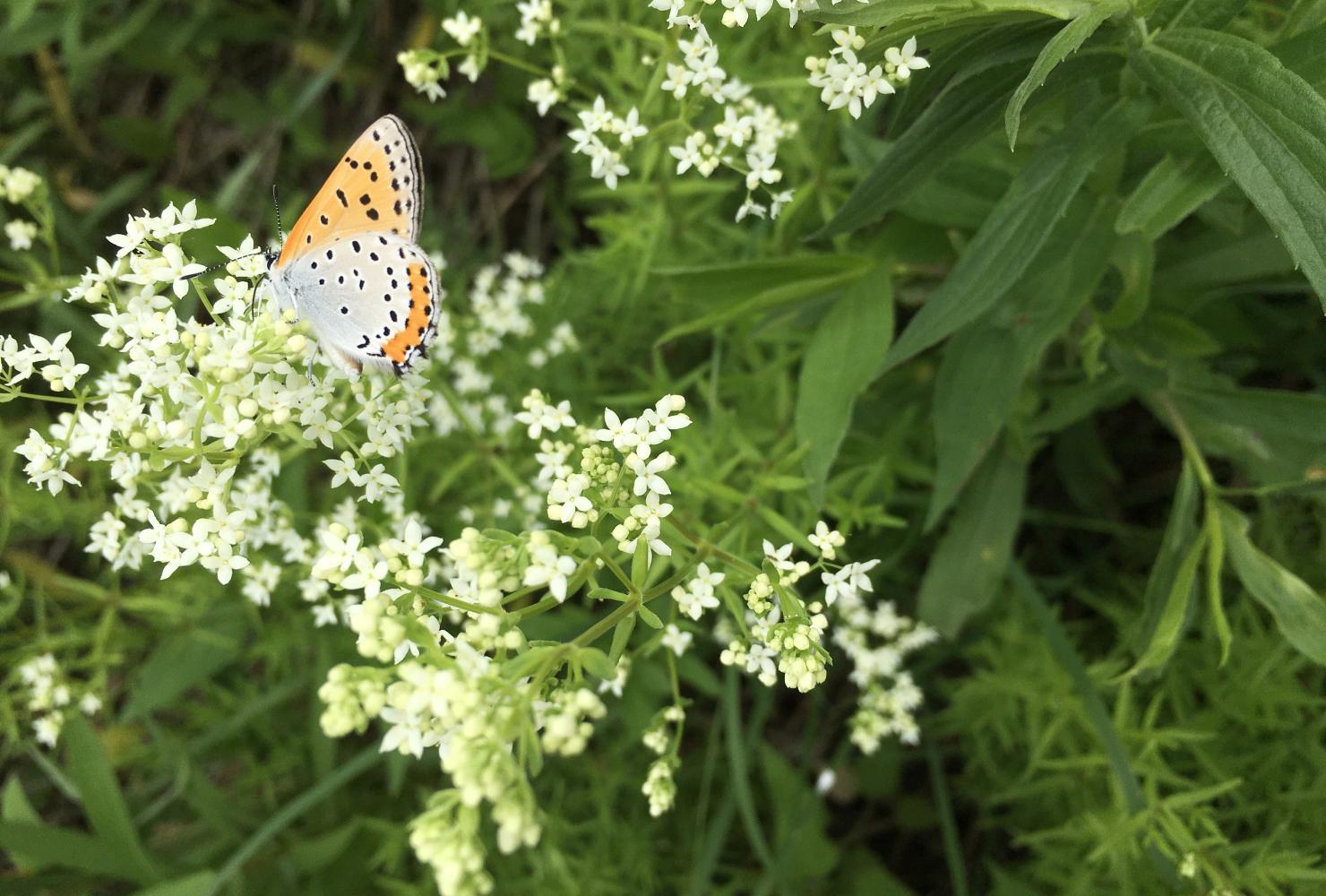
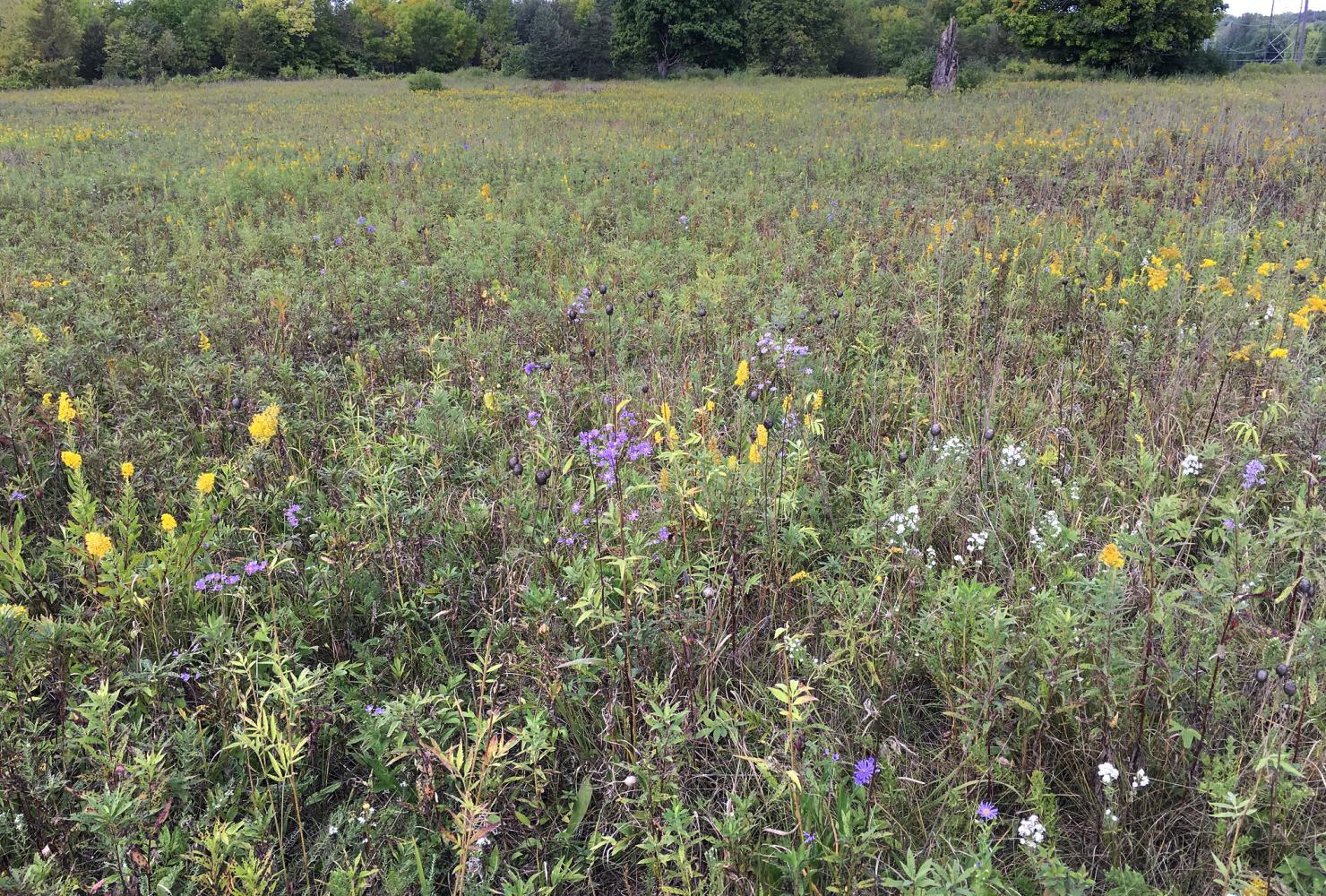
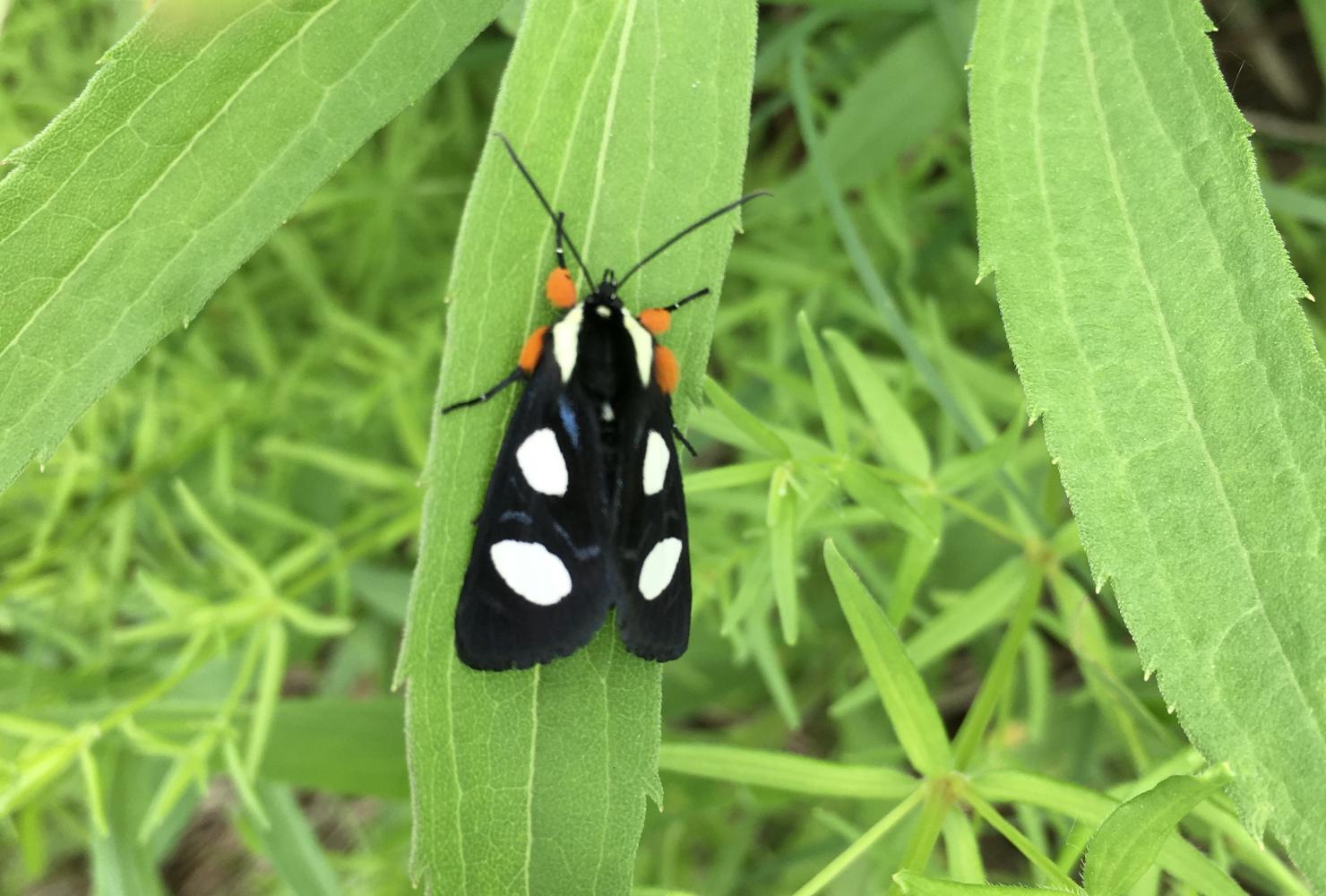
Restoration efforts have touched nearly every native plant community on-site. We have removed invasive woody species from floodplain forests and managed sedge meadows, overgrown with invasive reed canary grass. Prescribed fire helped revitalize these native plant communities, invigorating tussock sedge, river bulrush and swamp milkweed. Prairie and oak savanna restoration on a shallow limestone terrace provides habitat heterogeneity, and prairie units provide important floral resources for pollinators.
Management of invasive woody species in these areas has been a persistent challenge, but there are pockets where native species thrive. In the savanna, there are large swaths of tall bellflower and spiderwort. In the prairie, common milkweed grows so dense that on windy days in the fall, dispersing milkweed seeds create a cloud in the air above the prairie. The MN DNR has worked to continue this management and expand into additional acres of the WMA.
Find out more and get involved
- Volunteer with us to restore places like this.
- Learn about the power of habitat corridors.
- Contact FMR project lead Leah Weston.
Partners and funders for our work at Gores Pool #3 Wildlife Management Area
This work is made possible by the Outdoor Heritage Fund, Conservation Partners Legacy Fund, National Fish and Wildlife Federation, Dakota County, the Environment and Natural Resources Trust Fund, Minnesota Department of Natural Resources and by our generous volunteers and donors like you!
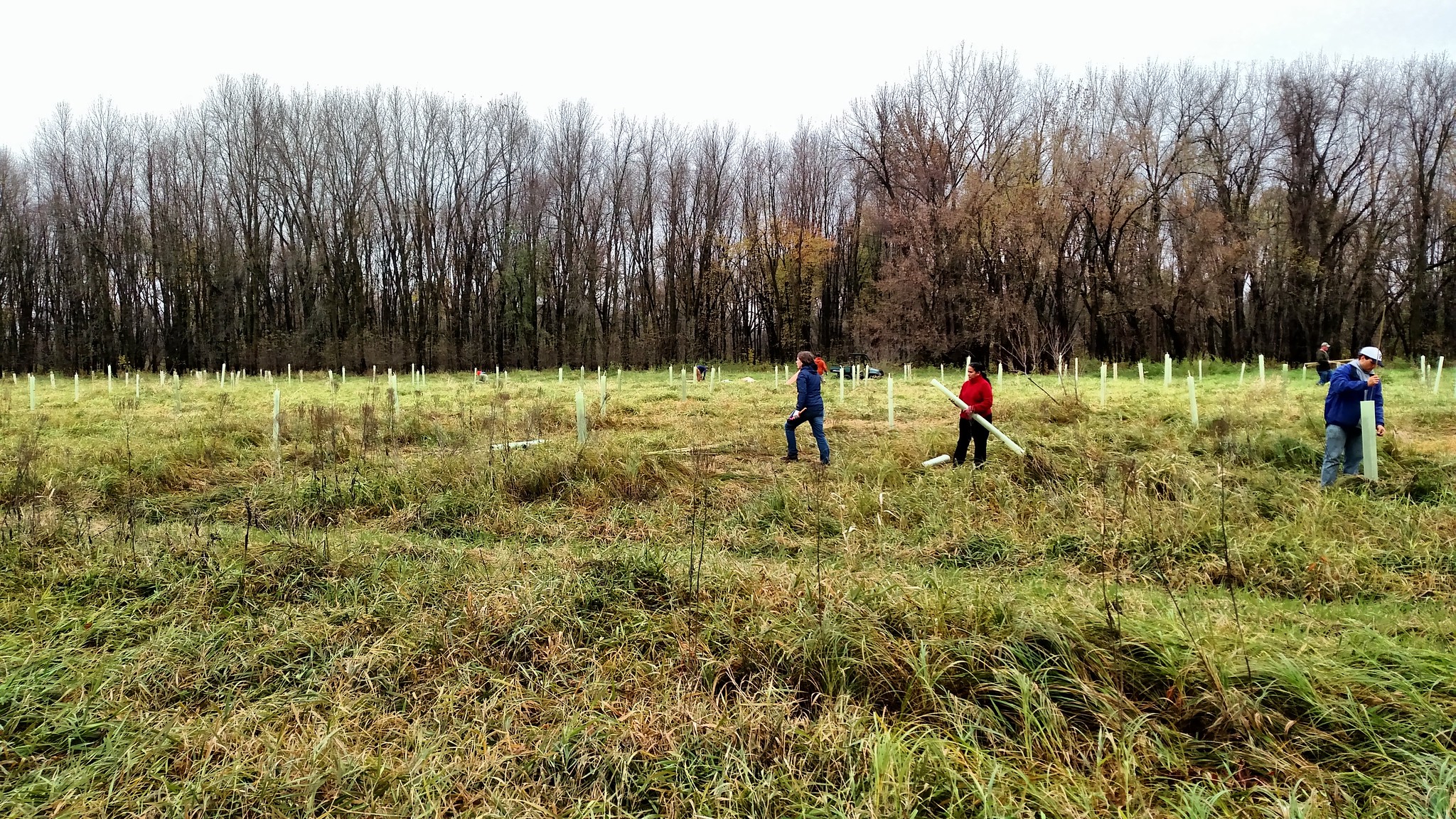
Volunteers have helped us with invasive species removal and tree planting at Gores over the years. Here, volunteers livestake cottonwood trees.
Where we work
FMR maintains over three dozen habitat restoration and land protection sites in the metro area.