
Being a voice for the river at the national SAF Conference
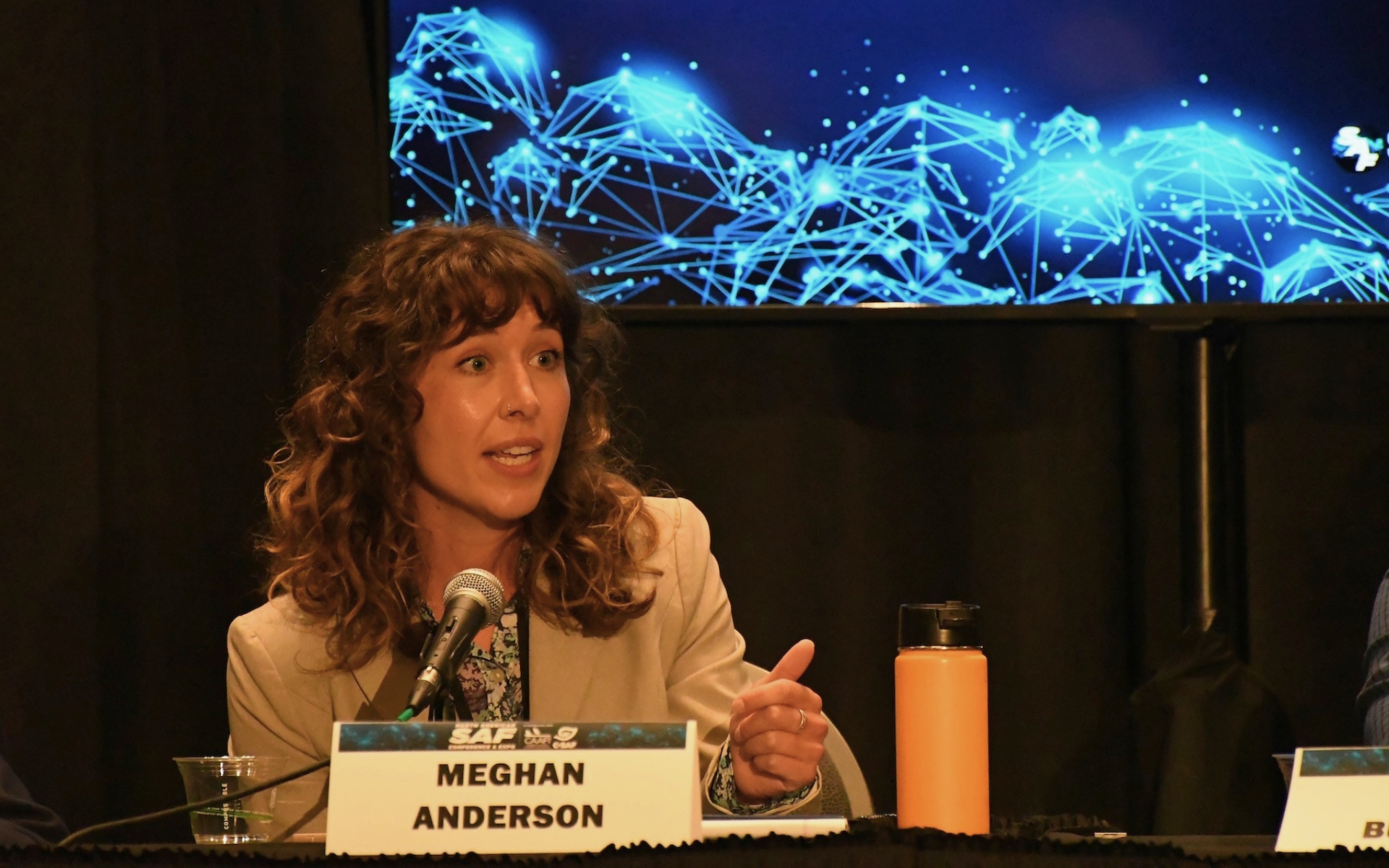
Meghan, FMR's biofuels policy manager, presented on the conference's second day, using her time to emphasize the importance of taking clean water and habitat into account. (Photo by BBI International)
The North American SAF Conference is typically attended by hundreds of professionals working either directly with Sustainable Aviation Fuel (SAF) or in related industries. At this year's three-day August event, there were biofuel producers building SAF plants, researchers developing new technologies, economists predicting per-gallon prices over time and corporations discussing how SAF fits into their company’s decarbonization goals.
Plus me, Meghan, FMR's biofuels policy manager.
Like last year, FMR wanted to attend to be a voice for the river, to make sure that sustainability remains top of mind as the SAF industry develops, and to insist its major players take a broad view of what it means to be “sustainable.” That includes accounting for the impact any new fuel might have on our air, land and water.
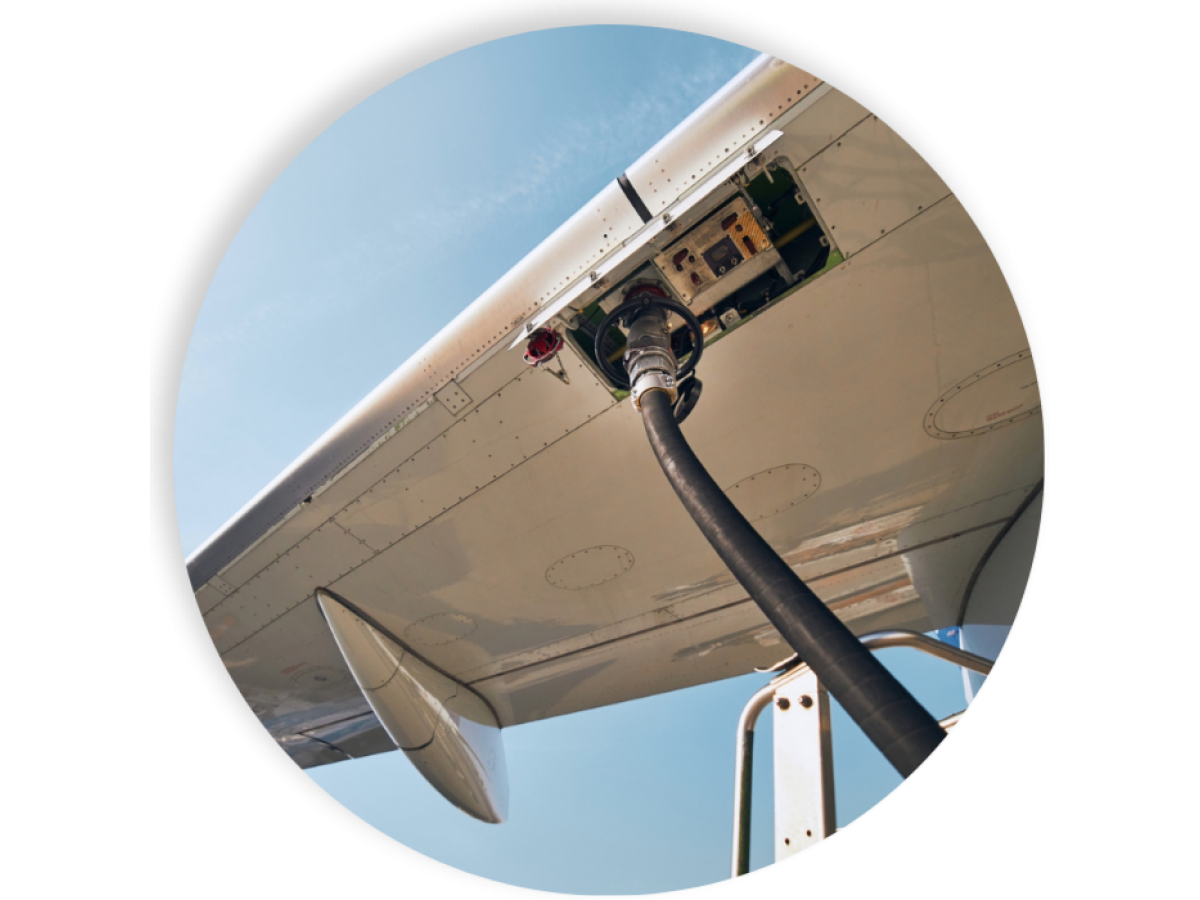
Fueling change: FAQ on sustainable aviation fuel and protecting our waters
Is sustainable aviation fuel safe? Is SAF truly sustainable? Get the facts about the promise and potential pitfalls around Sustainable Aviation Fuel.
As the only presenter from an environmental advocacy nonprofit at the conference, I used my time to put the Mississippi River front and center on a national stage, sharing what we’ve accomplished here in Minnesota as an example of how to approach SAF responsibly.
Here's a brief overview of our three main messages:
- Being lower-carbon isn’t enough. SAF needs to be genuinely sustainable if it’s going to succeed, which means it needs to take a broader view of sustainability. If SAF reduces emissions, but at the cost of water quality, habitat and biodiversity, it can't be called sustainable.
- To keep SAF as sustainable as possible, we need to source the fuel from the right feedstocks. In Minnesota and the upper Midwest, that means making sustainable aviation fuel from winter-hardy oilseeds like camelina. These crops help cover the soil year-round and can significantly cut nitrate, phosphorus and sediment pollution to the Mississippi River and other waters.
- Lastly, policy needs to be sensible. By providing better incentives to the most sustainable feedstocks and adding incentives to protect existing habitat — both of which are in Minnesota’s recently passed environmental guardrails — policymakers can ensure SAF progresses in a sustainable direction.
Want more details? You can access the slides from my presentation using the form below.
Download the slide deck
Want to see Meghan's presentation slides from the 2026 North American SAF Conference? Download a PDF of the slides with the form below.
FMR at a SAF conference might seem like an odd fit, but we believe it’s important to show up in spaces where big ideas that will impact the river are being discussed, and where the seeds of SAF’s future are being planted. We’ll continue to do everything we can to ensure new, lower-carbon jet fuel helps the river rather than harms it.
To support this effort, consider becoming a River Guardian, and we'll reach out when this or other related river issues arise.
Become a River Guardian
Sign up and we'll email you when important river issues arise. We make it quick and easy to contact decision-makers. River Guardians are also invited to special social hours and other events about legislative and metro river corridor issues.