Vermillion River Aquatic Management Area
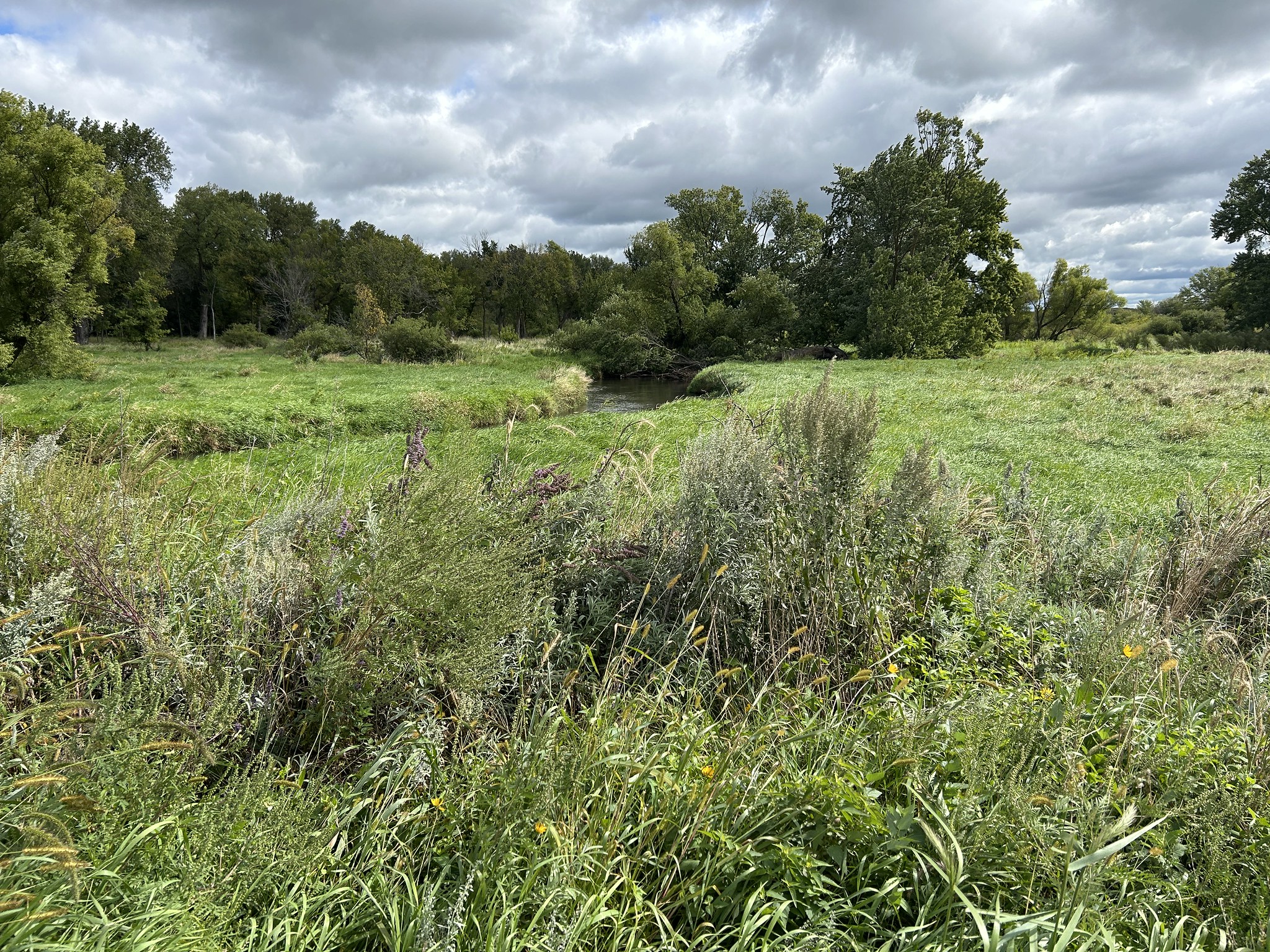
The cold water trout stream and wide floodplain wetlands at the 450-acre Vermillion River Aquatic Management Area in Dakota County offer opportunities for angling, hunting, trapping and wildlife observation. We're working on upland habitat restoration at three of the site's units in partnership with the Minnesota Department of Natural Resources.
Where is Vermillion River Aquatic Management Area?
The Vermillion is a 60-mile-long river that flows into the Mississippi River through a braided channel downstream of Hastings. The Vermillion River Aquatic Management Area is situated along 5 miles of the Vermillion River in central Dakota County. This Aquatic Management Area, or AMA, comprises 7 units, both east and west of U.S. Highway 52 and north of Dakota County Highway 66/200th Street in Empire Township.
We're working on restoration sites at three units west of Highway 52. These units are just northwest of our restoration at the Kasel Unit of the South Branch Vermillion River AMA.
The public is welcome to visit Vermillion River Aquatic Management Area. Each unit of the Aquatic Management Area has special access requirements, and uses include: angling, hunting, trapping and wildlife observation. (See the Minnesota Department of Natural Resources website for more info.) Anglers, be sure to check the Minnesota Department of Health fish consumption guidance.
Our work here takes place on Dakota homelands.
What's special about Vermillion River Aquatic Management Area?
The Vermillion River is a major tributary to the Mississippi, and it's also one of the few trophy trout streams located in a metro area. Anglers might find trophy brown trout and rainbow trout in its 19 miles of designated trout stream sections — both species that require the cold and clear waters that result from protected groundwater and healthy surrounding ecosystems.
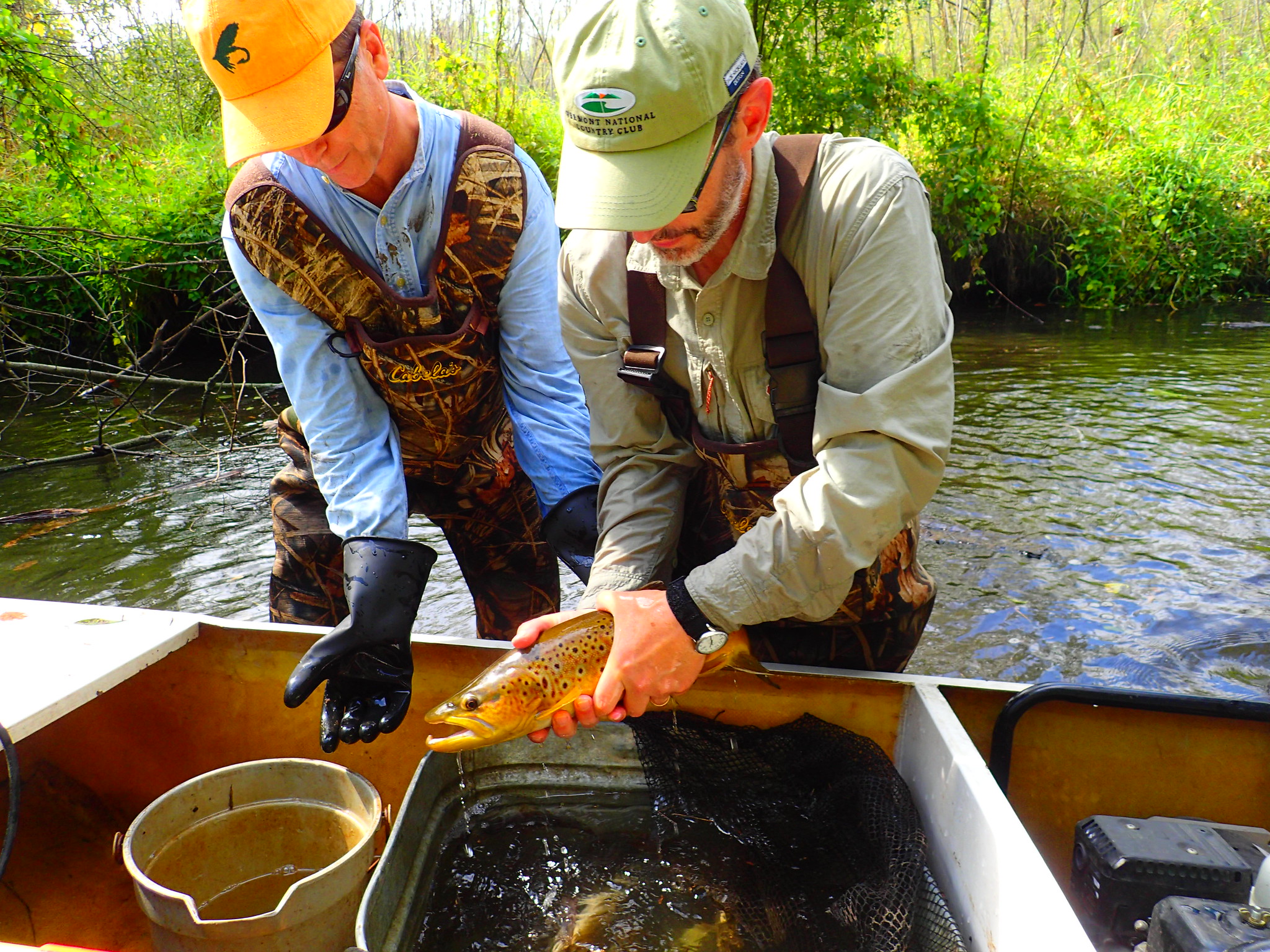
The Vermillion River has earned a big reputation: It's the only trophy trout stream located in a metro area in the United States. Here, MNDNR Fisheries staff and volunteers from Twin Cities Trout Unlimited survey for fish populations in the Vermillion. (Photo courtesy of MN DNR Fisheries)
The DNR pursued conservation of land in the Vermillion watershed to improve recreation and protect water quality in an otherwise agricultural landscape. The Vermillion River AMA was established through DNR-acquisition over nine years, beginning in 2005.
Although the Vermillion River AMA is not a single block of land, its seven units are linked in a chain, creating a linear habitat corridor through which wildlife can safely move to find food and shelter. This AMA also contributes to a larger corridor along the Vermillion, with the South Branch Vermillion River Aquatic Management Area just downstream and more FMR restoration sites, such as Vermillion River Linear Park and Vermillion Falls Park, beyond.
Unlike many urban streams that receive high-volume stormwater runoff, the Vermillion River is well connected to its floodplain. As a result, the riparian areas and wetlands along the stream flood during high water events, creating ephemerally wet soils and ideal habitat for amphibians, small mammals and songbirds. You can witness this habitat relationship through the presence of northern shrikes at the site, which are commonly seen perching on old fenceposts and shrubby edges at Vermillion River AMA. These carnivorous passerines will patiently scan low-lying areas, waiting for a frog or field mouse to happen along.
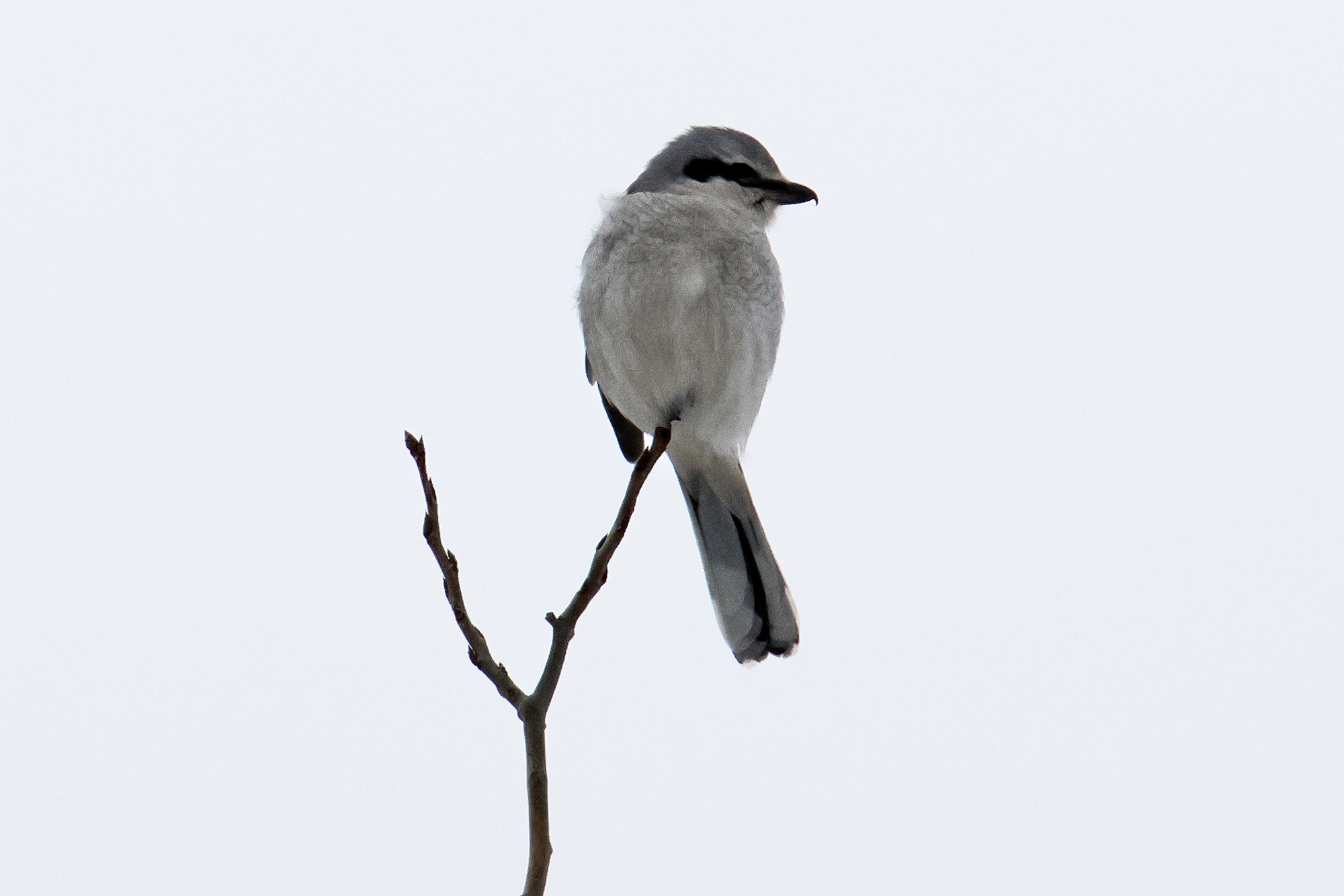
A northern shrike at Vermillion River AMA. Northern shrikes utilize shrubby areas within grasslands to hunt for insects and small mammals, caching their prey by impaling them on thorns or fences. (Photo by Shawyn Domyancich-Lee)
Our work at Vermillion River Aquatic Management Area
After successful riparian and upland restoration on the South Branch of the Vermillion River, we brought similar approaches to the Vermillion River AMA in 2022. Our upland restoration work there started at the Kamen-South parcel, named for the farming family who sold the land to the DNR and once pastured sheep in the grasslands and wetlands along the Vermillion. This project has removed invasive species like common buckthorn and Siberian elm from streambanks and pastures, and has restored streamside woodland and native prairie.
We also implemented some innovative strategies to create pockets of prime wetland habitat in what had been a sea of reed canary grass. Dense stands of reed canary grass trap sediment in their underwater root systems, stagnating water and reducing shallow-water habitat that aquatic wildlife species need. Through an early summer prescribed fire, focused follow-up management to create openings of various sizes, and planting of a specialized seed mix, we were able to reduce reed canary grass and create islands of diverse plant communities.
Increasing plant diversity in these wetlands will support a greater array of wildlife, including frogs, turtles and birds that feed and nest in wetlands. Our wetland restoration has enhanced plant communities within the AMA, but we've been thrilled to see a few species grow that we didn't plant! Wetland seedbanks are often well-preserved in the low-oxygen conditions of saturated soils, and at Vermillion River AMA, plants like false indigo and rice cut grass returned in abundance once given some space to thrive.
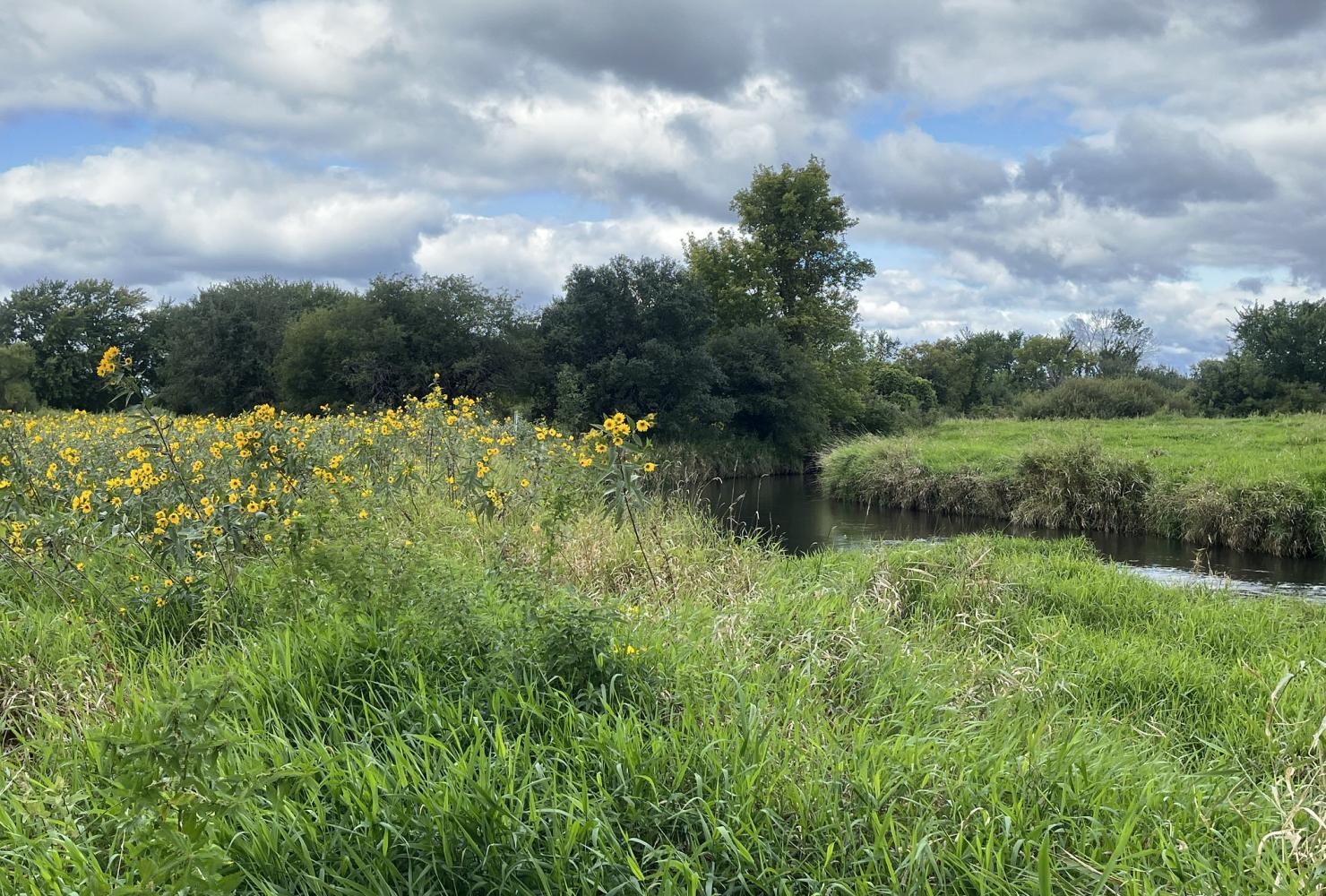
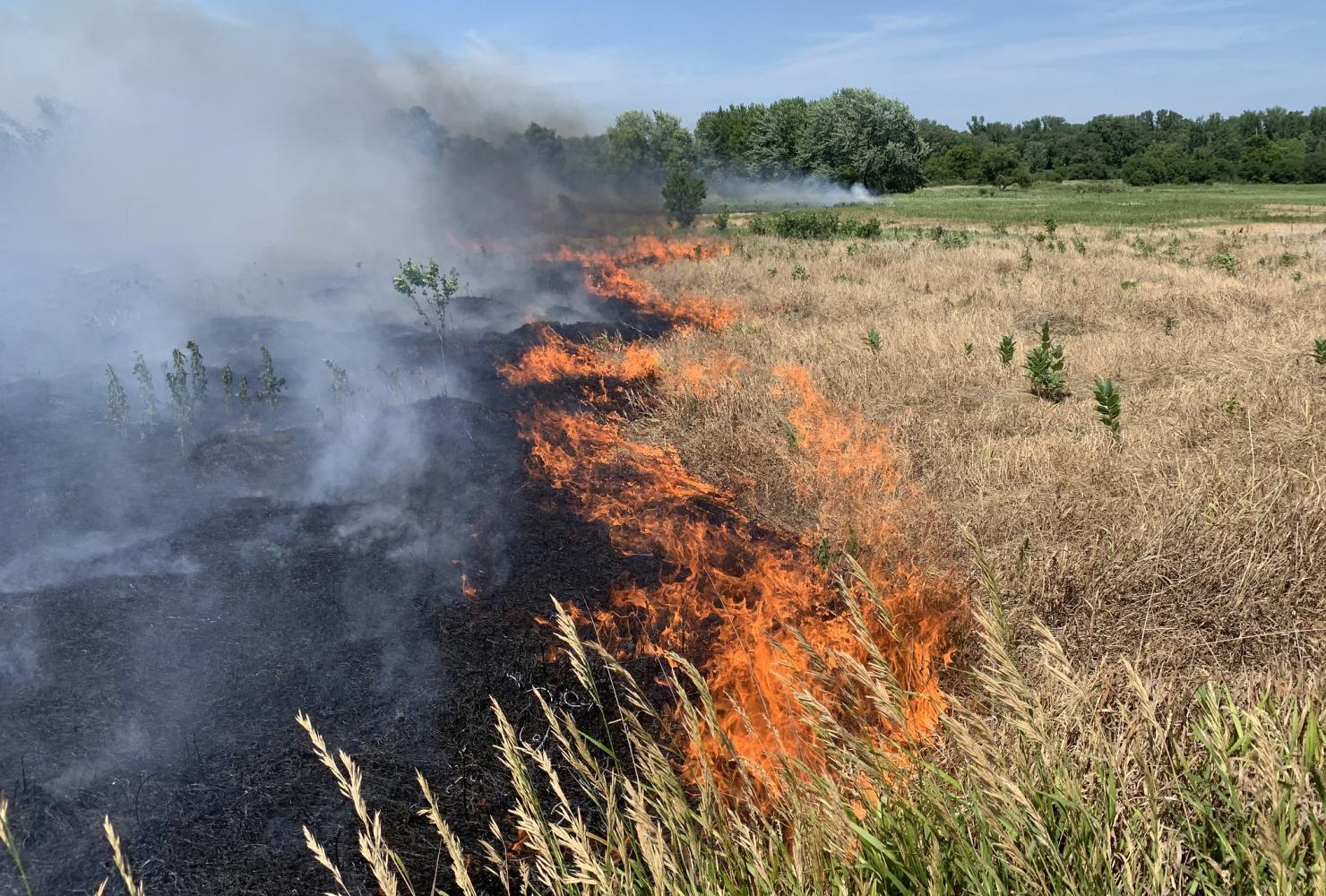
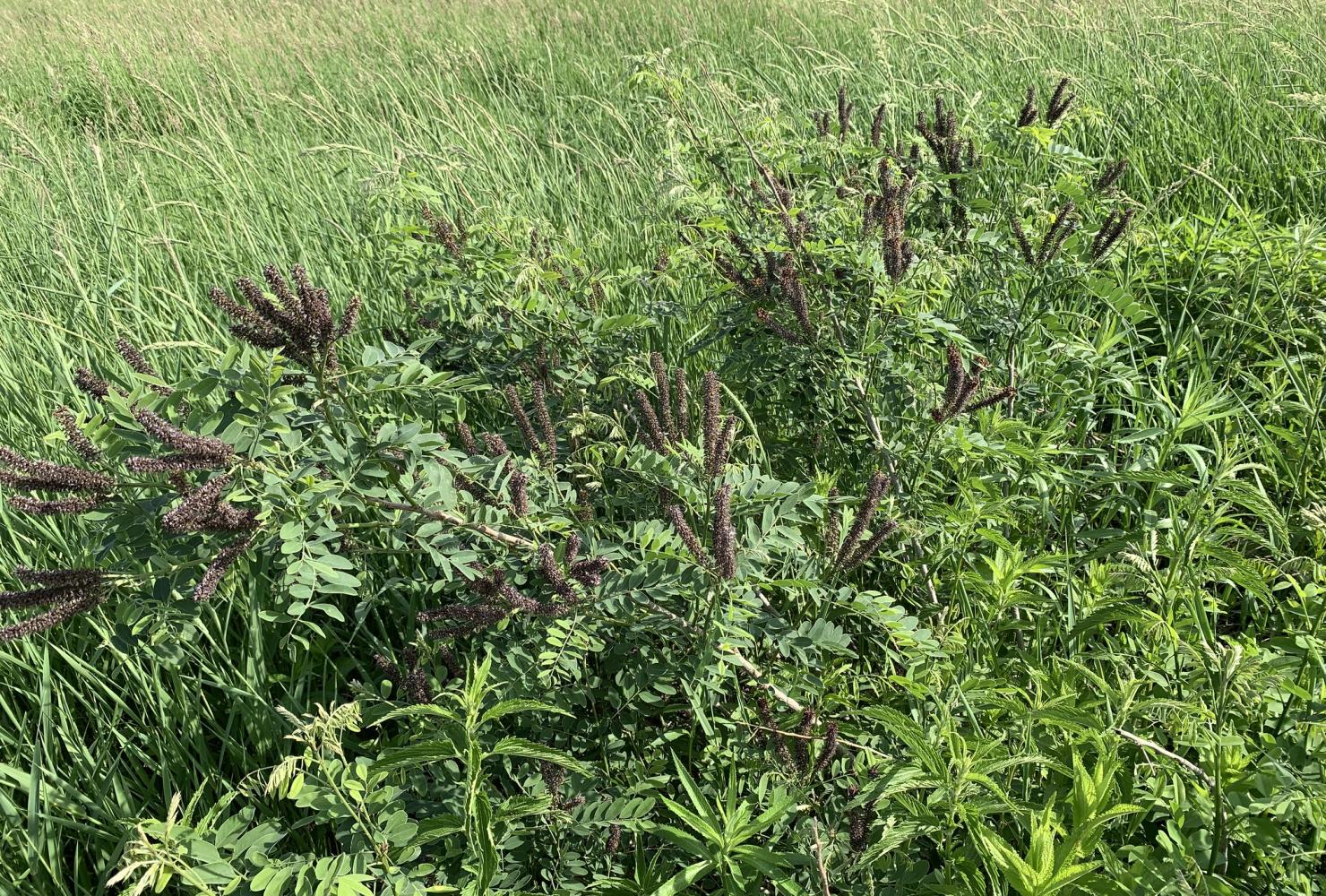
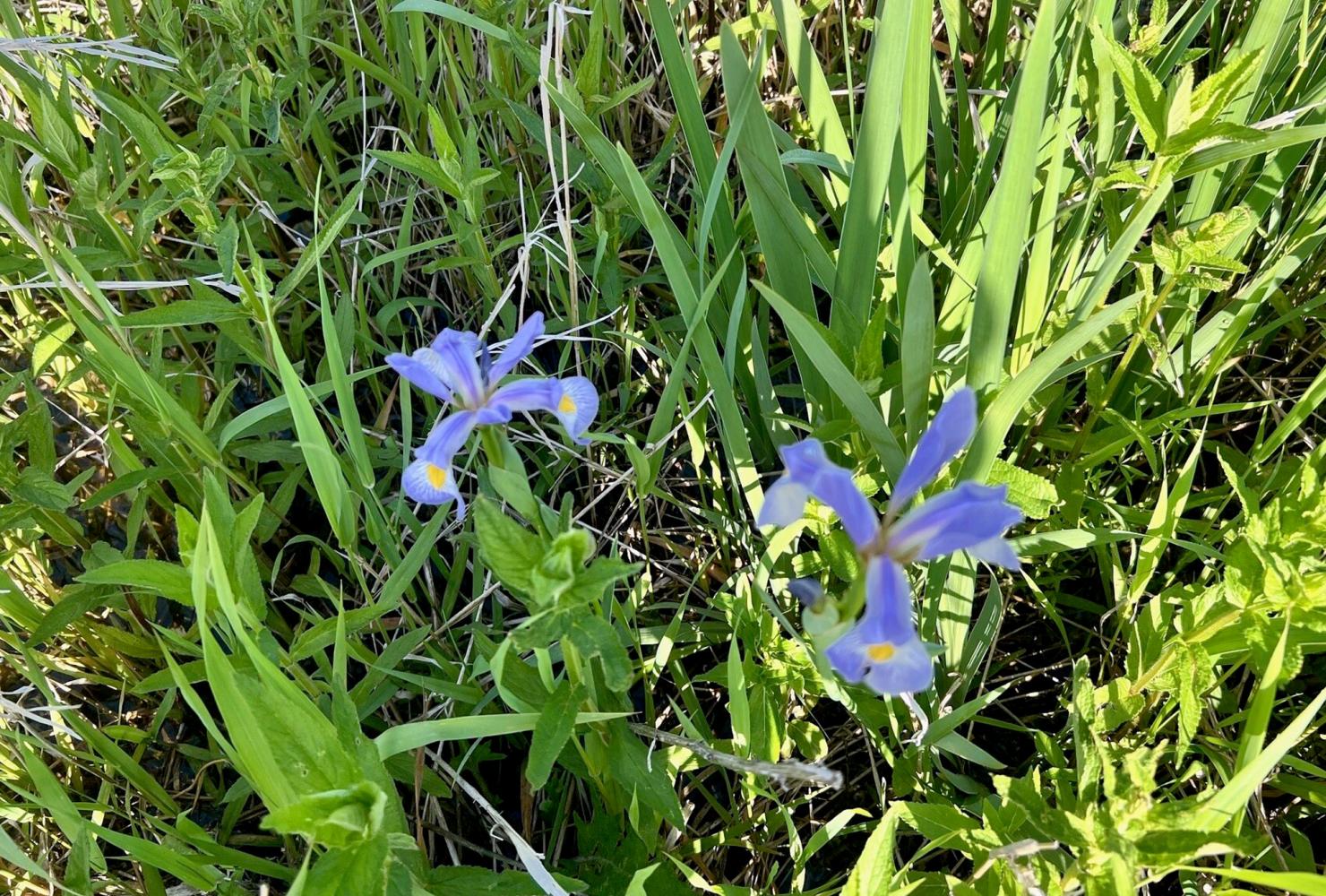
In 2024, our work expanded to two additional units within the AMA. The Kamen-North and Butler parcels were choked with dense, large buckthorn that shaded the ground and prevented wetland grasses and wildflowers from becoming established. Buckthorn removal and follow-up management created an open, sunny floodplain, and tall native shrubs now shade the riverbanks, keeping water temperatures low.
Protecting floodplain wetlands provides vital water storage during high-water events, preventing downstream flooding. This will become increasingly important as climate change brings more intense, longer-lasting precipitation events. Additionally, floodplains trap waterborne nutrients on the landscape where they can be taken up by plants.
We're really proud of these improvements, but wetland restoration is a long process, and rivers are notorious for moving weeds around. We'll continue to support the DNR and these AMA parcels with ongoing management, as we look to expand the restoration onto neighboring lands along the Vermillion.
Learn more about our partnerships and conservation work along the Vermillion in this video:
Find out more and get involved
- Volunteer with us to restore places like this.
- Check out more information about the Vermillion River.
- Learn more about how we make pockets of habitat in wetlands.
- Contact FMR project lead Laura Domyancich-Lee
Partners and funders for our work at Vermillion River Aquatic Management Area
This work was made possible by the Minnesota Department of Natural Resources, the Lessard-Sams Outdoor Heritage Fund, the Fishers and Farmers Partnership, and by our generous volunteers and donors like you!
Where we work
FMR maintains over three dozen habitat restoration and land protection sites in the metro area.