
New York Times spotlights U of M's clean-water crops
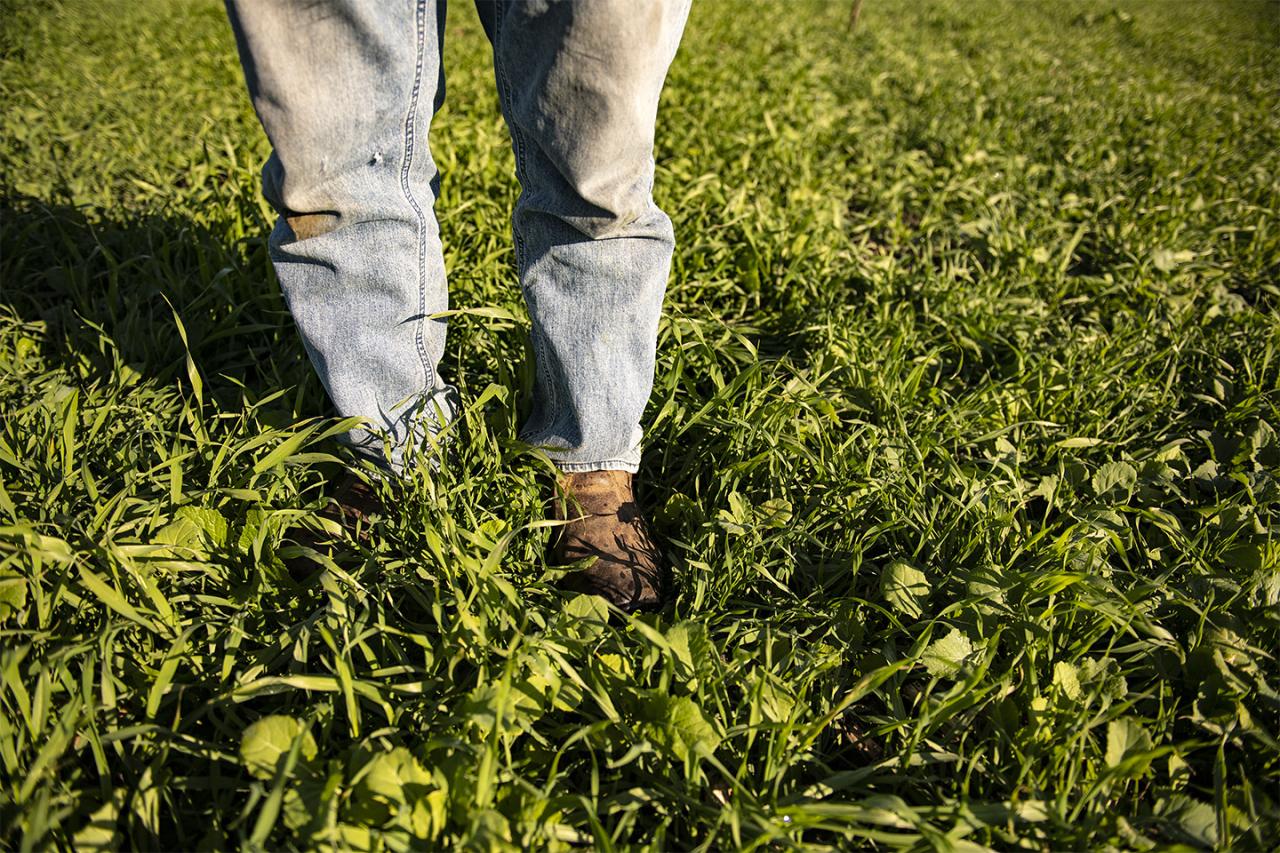
A Minnesota-led effort to develop new clean-water crops has caught the attention of the New York Times.
The paper, as part of its series on "Visionaries" across the country, wrote about the University of Minnesota’s Dr. Donald Wyse and his leading work with the Forever Green Initiative. Wyse is co-founder and co-coordinator of this project, which Friends of the Mississippi River supports as a member of the Forever Green Partnership.
The goal of the initiative is to develop 16 different market-based crops that have the ability to restore soil health and significantly reduce pollution runoff — all while providing new revenue streams for farmers.
"After 20 years of quiet effort, Dr. Wyse and his teams may be on the brink of success," the piece's author, Jonathan Kauffman, explains in the story. "In the next decade, if his vision holds true, the Upper Midwest’s Corn Belt could become the most forward-thinking agricultural region in the country."
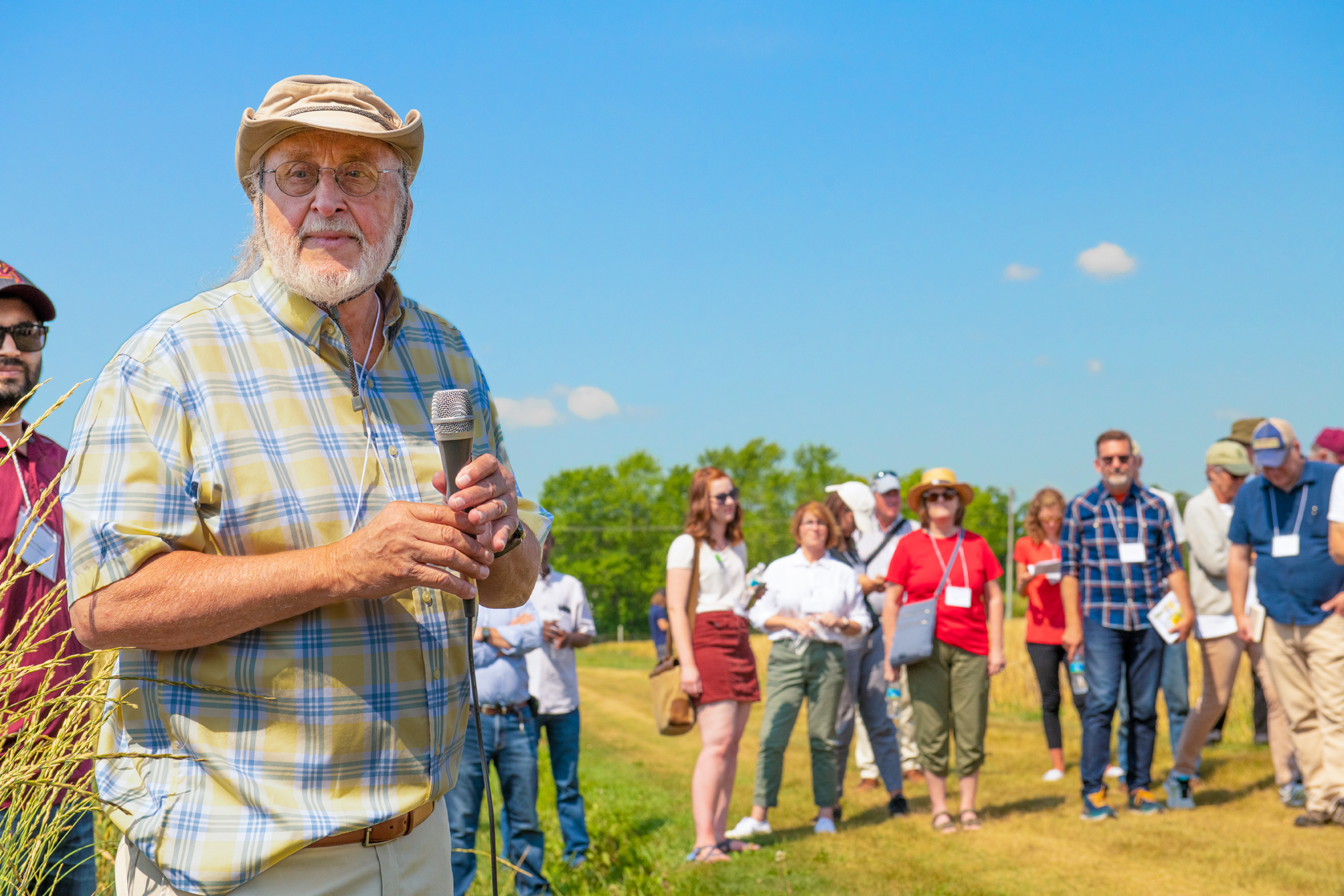 Dr. Don Wyse speaks to policymakers at our field day in 2021. (Photo by Dodd Demas for FMR)
The crops Wyse and the Forever Green team study comprise various perennials and winter annuals, such as the intermediate wheatgrass Kernza, winter camelina, pennycress, hazelnuts, winter barley and others. Often referred to as "Continuous Living Cover," these cropping systems ensure live plants are on the ground and roots are in the dirt 365 days a year rather than only during the typical summer growing season.
They help the environment by reducing the amount of fertilizer that needs to be used, soaking up nitrates before they enter the water, reducing soil erosion and providing valuable pollinator habitat. Farmers also benefit from new economic opportunities. These continuous living cover crops don’t have to replace corn and soybeans wholesale. They can be grown alongside existing products or during months the fields would otherwise be bare.
"These cropping systems actually increase yield per acre," Wyse told the New York Times. "It’s up to us to make sure that these new crops also have the highest value possible."
Be sure to read the full Q&A here.
Advance clean-water crops with us
Become a River Guardian
Sign up to become a River Guardian and we'll let you know when important river issues arise, including opportunities to support the advancement of clean-water crops. We make it quick and easy to contact decision-makers and make your voice heard. River Guardians are also invited to special events, including happy hours, to learn more about important legislative and metro river corridor issues.
Keep up to date
We write regular updates about key environment and water quality issues on our Water and Legislative Updates blog, and share them on social media (Facebook and Twitter) and in our twice-monthly e-newsletter, Mississippi Messages.