
Ford Area C cleanup plan enters public comment period
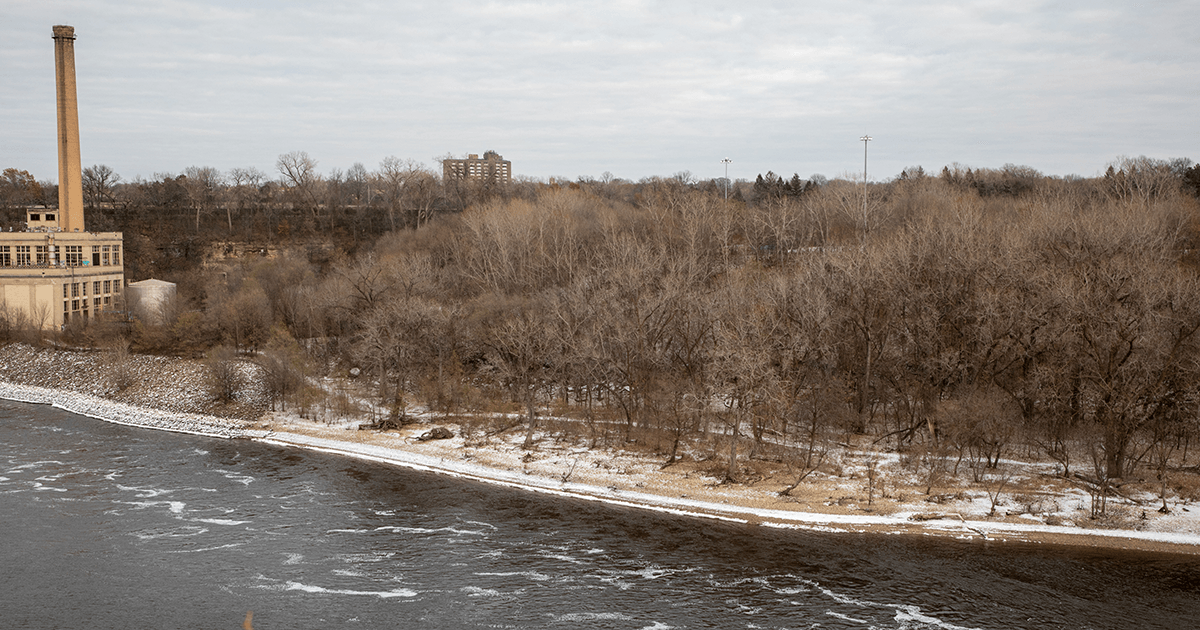
Ford Area C is a toxic dumpsite on the riverfront in St. Paul near Hidden Falls Regional Park. What happens next at this site is up for debate. Join us in calling for its full cleanup below. (Photo by Tom Reiter for FMR)
For the past few years, FMR and community advocates have been waiting to see a cleanup plan for Ford's Area C hazardous dumpsite on the Mississippi River in St. Paul. Now, the Minnesota Pollution Control Agency has released the feasibility study for public feedback. This study offers several "alternatives" or proposed options for cleaning up the contaminated Ford Area C dumpsite. You can find the full study here.
While Ford and the Minnesota Pollution Control Agency (MPCA) have both recommended low-impact, partial-cleanup options for the site, we believe in holding Ford fully accountable for cleaning up their mess.
What's happened up to this point
This cleanup plan has been in the making for several years, and River Guardian advocates have been involved and calling for a thorough, responsible cleanup for the entire process. (Read more about the history of Area C).
FMR and its advocates and partners requested that Ford gather more pollution data. As a result of this advocacy, Ford installed additional groundwater monitoring wells. Crucially, the new monitoring wells were able to obtain data during the 2023 and 2024 floods.
Based on this information, Ford prepared and recently submitted to the MPCA its draft cleanup plan for the toxic site.
The draft plan, also known as a feasibility study, was released in October. It offers the MPCA — the agency responsible for determining the extent of cleanup and overseeing the process — an assessment of full and partial cleanup scenarios.
As the MPCA evaluates the extent of the cleanup Ford should be required to do, the agency will take into consideration community input on different cleanup scenarios. Ford will be responsible for paying for the cleanup, although it may seek government contributions, as some of the debris in the pile was placed there by the U.S. Army Corps of Engineers and the City of St. Paul.
What's in the feasibility study, and what's still possible?
The feasibility study includes several criteria for cleanup plans, such as long-term effectiveness, cost and implementability.
Ford elected "Alternative 3: Clean Buffer and Site Stabilization" as their preferred cleanup plan. This plan would remove only the top layer of hazardous waste and construction debris, targeting only the first 4 feet of waste in the 70-foot-tall pile. Clean fill would be added to the pile along with boulders along the toe of the waste pile to reduce erosion during floods and storms. This option is estimated to cost $2.4 million.
The MPCA selected Alternative 4 as its preferred alternative. This is a slightly more extensive cleanup option that would require Ford to clean up all of the "accessible waste" but would still leave most of the pile in place. This plan is estimated to cost $8.8 million.
However, neither of these alternatives would require Ford to fully remove the toxic waste at the core of the pile left by Ford Motor Company, nor would they require the removal of all the construction debris.
We cannot leave this waste for future generations to clean up.
At FMR, we believe that "Alternative 6: Removal of all Wastes and Site Restoration" is the only just and viable alternative to maximize environmental and human health at the site and protect future generations from the consequences of this contamination. This is the most expensive cleanup option, estimated at $71 million. However, we believe that this option will protect taxpayers from having to pay for this mess in the future.
What you can do
This is a critical time to express your perspective. The MPCA will weigh community input in its final selection of a cleanup plan after this last public comment period. There are three ways to speak up for a clean river for future generations:
- Save the date to attend MPCA's community meeting and weigh in directly. The MPCA just announced that this meeting will be on January 15, 2026. Sign up below and we'll send you the details when we have them.
- Submit a written comment to the MPCA through their website by February 3, 2026.
- Sign our petition, which will also sign you up for email updates in the months to come. (Or sign up to be a River Guardian to receive local river advocacy notices and event invitations without signing the petition.)
Become a River Guardian
Sign up and we'll email you when important river issues arise. We make it quick and easy to contact decision-makers. River Guardians are also invited to special social hours and other events about legislative and metro river corridor issues.