
Dakota Conservation Area
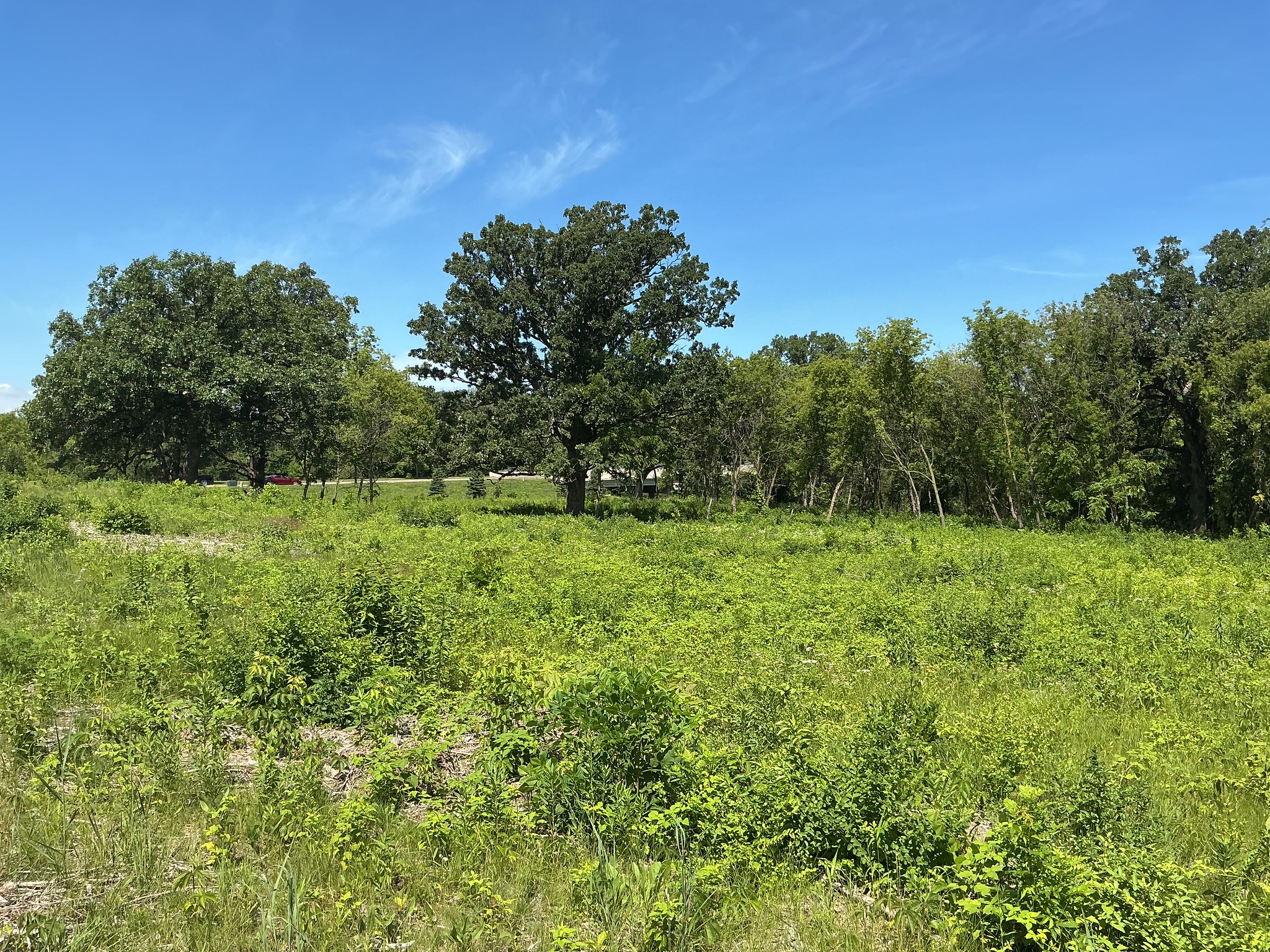
Not to be underestimated for its size, this 6-acre oak savanna restoration provides visually stunning critical habitat along the Vermillion River.
Where is Dakota Conservation Area?
The Dakota Conservation Area is a County-owned natural area on the banks of the Vermillion River in Hastings. The site features towering bur oak trees and remnant wildflower species, key features of now-rare oak savanna habitat.
This site was identified as a priority for restoration in the Vermillion River Greenway Natural Resources Management Plan, a collaborative planning effort between FMR and Dakota County. Along with other FMR restoration sites, including Vermillion River Linear Park, Vermillion Falls Park and Old Mill Park, the Dakota Conservation Area contributes to an important habitat corridor along the Vermillion River.
The public is welcome to visit Dakota Conservation Area.
Our work here takes place on Dakota homelands.
What's special about Dakota Conservation Area?
Once common across central and southern Minnesota, oak savanna habitat is now increasingly hard to find. These valuable habitats exist within a delicate balance between prairie and woodland systems. A diverse understory of native grasses and wildflowers is dotted with mature oak trees. Savanna habitats rely on fire every few years to maintain this open character. These unique systems provide critical habitat for at least 90 species of greatest conservation need in Minnesota, including many bird and pollinator species.
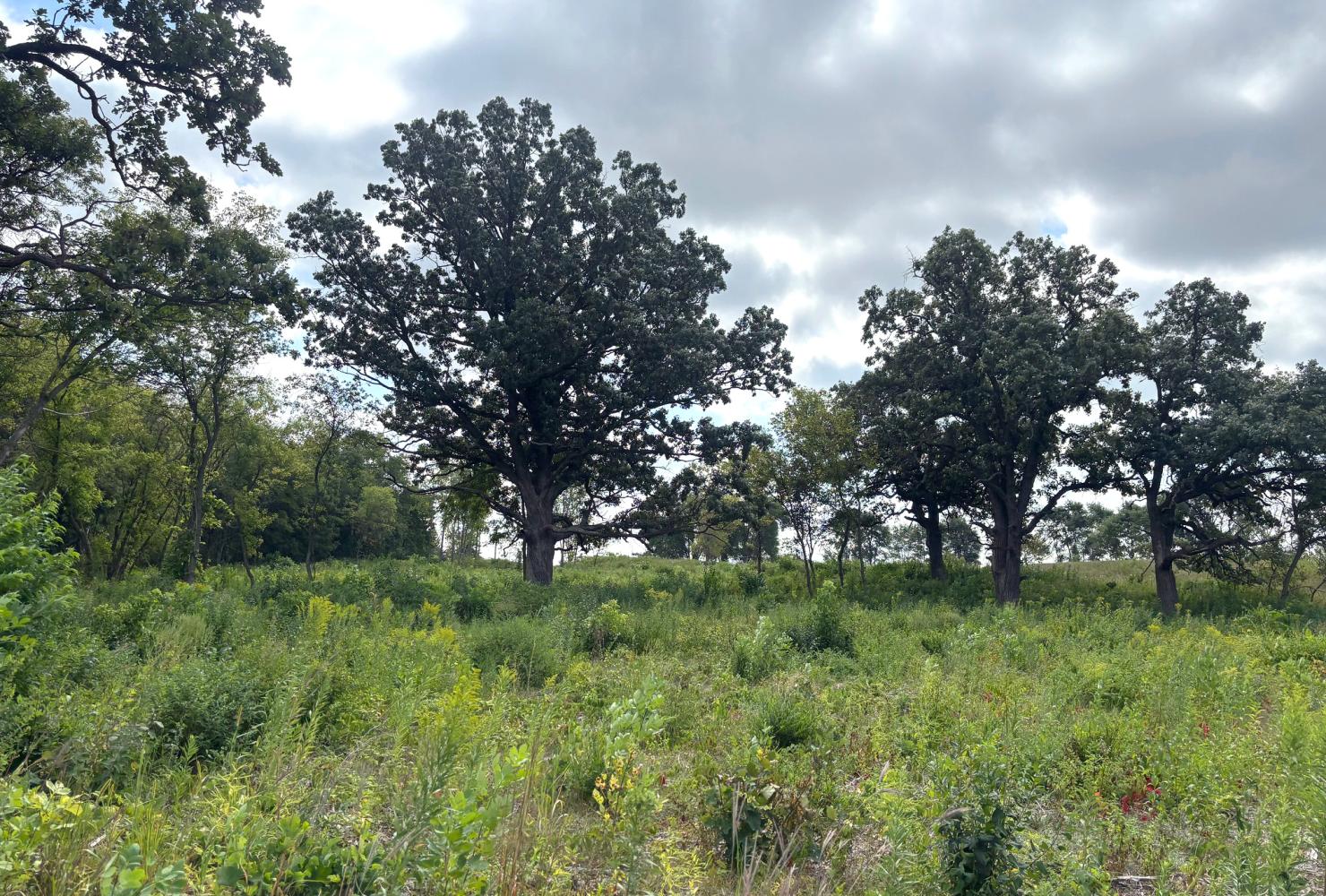
The Dakota Conservation Area was identified for its oak savanna restoration potential due to its wide-branching bur oaks, diverse intact seed bank and historical aerial imagery showing nearly a century of open understory conditions. Since oak trees are slow-growing, restoring oak savanna habitat structure without existing canopy trees can be a multi-decade-long process. As a result, sites with existing savanna character, like the Dakota Conservation Area, are priorities for habitat restoration.
Our work at Dakota Conservation Area
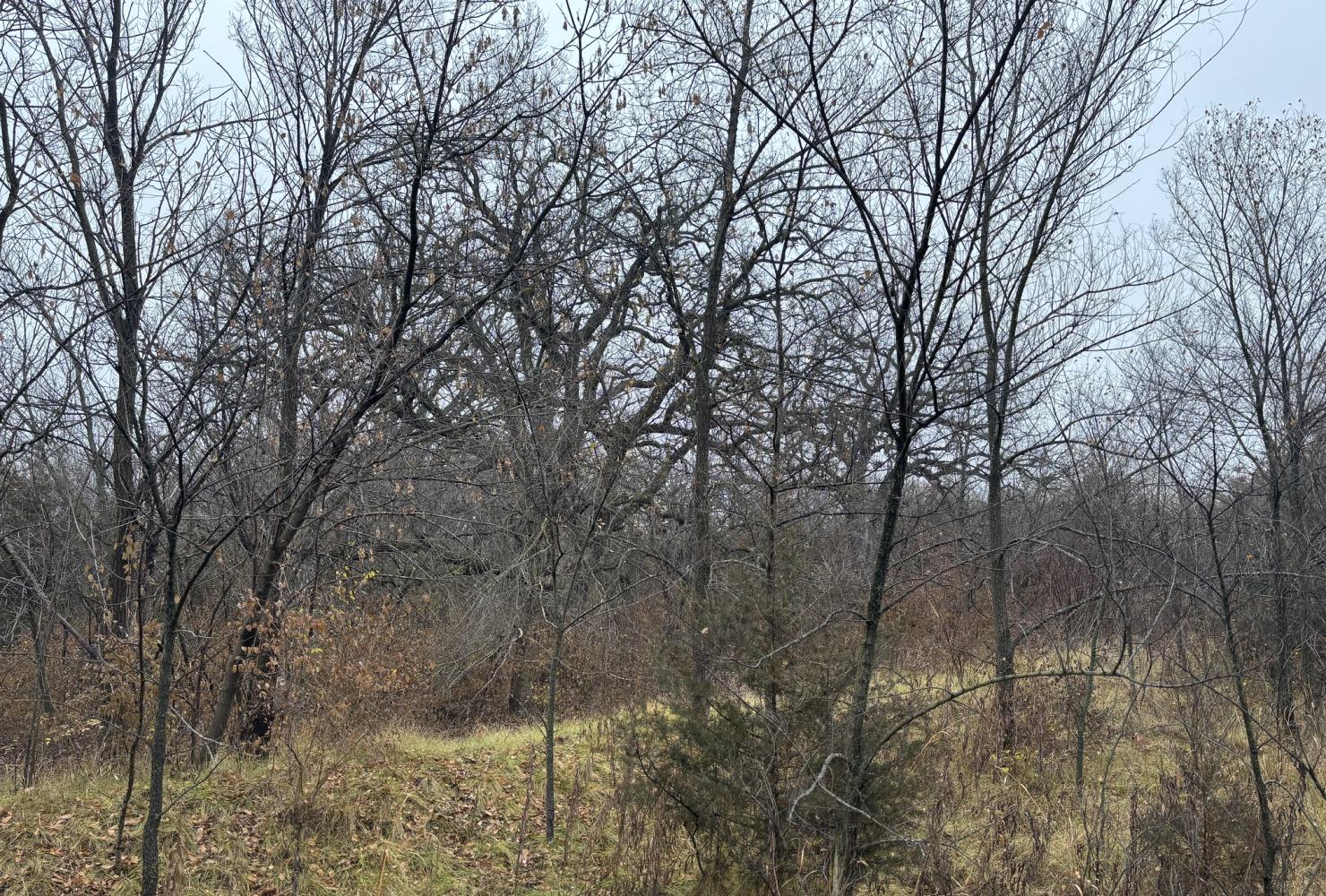
When restoration of the Dakota Conservation Area began in 2025, many shrub species, including common buckthorn, honeysuckle, red cedar and sumac, had nearly overtaken the understory across the site. Over the first winter of restoration, extensive removal of encroaching trees and shrubs was completed, dramatically opening the site, which had become nearly impassable.
We observed significant regeneration of native grasses, forbs and bur oaks in the first growing season after removing these encroaching woody species. Ongoing management of the site prioritizes establishing a diverse understory with an array of blooming wildflowers, native grasses and pockets of native shrubs. Returning prescribed fire to the conservation area will support native fire-adapted species while limiting the establishment of invasive shrub species.
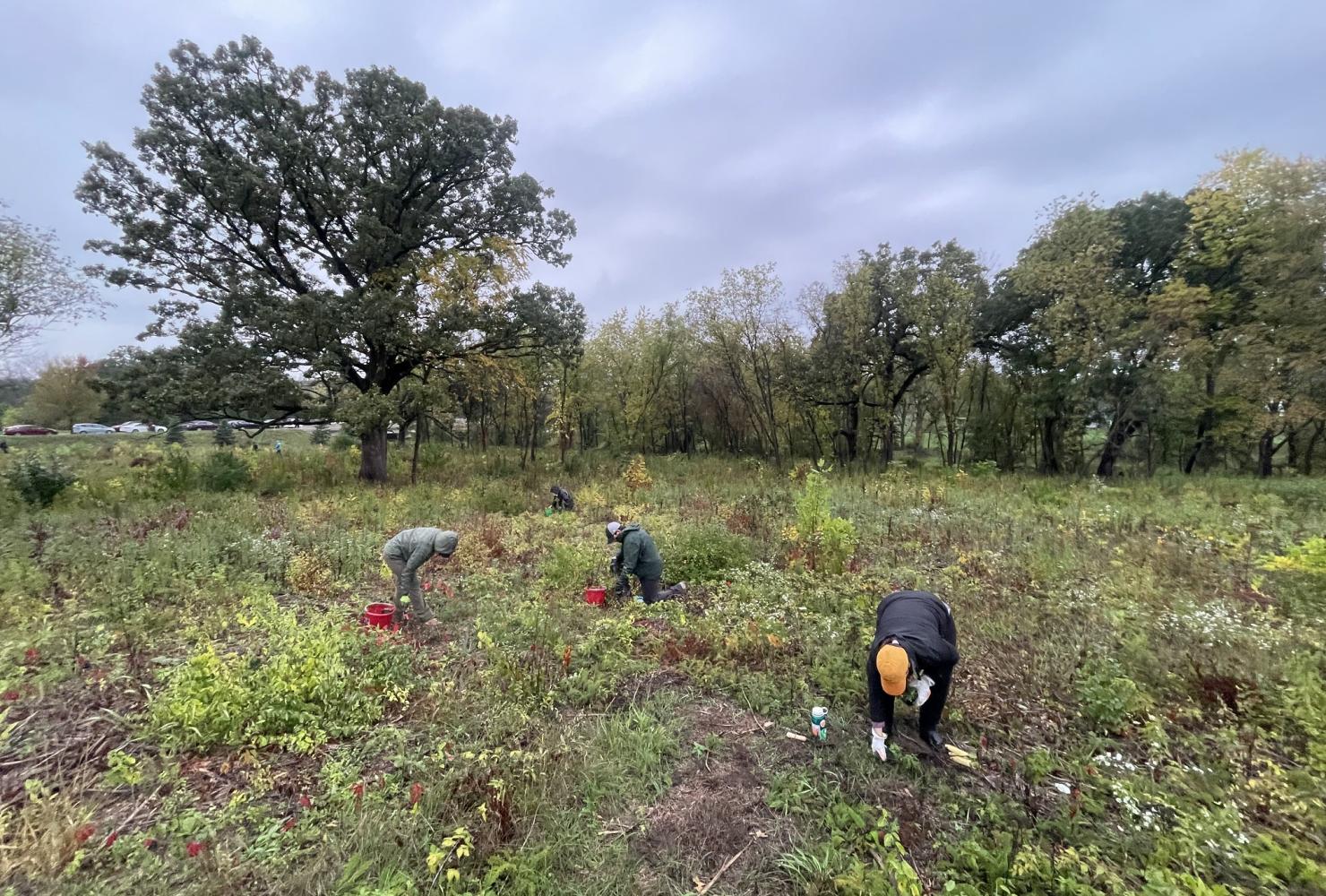
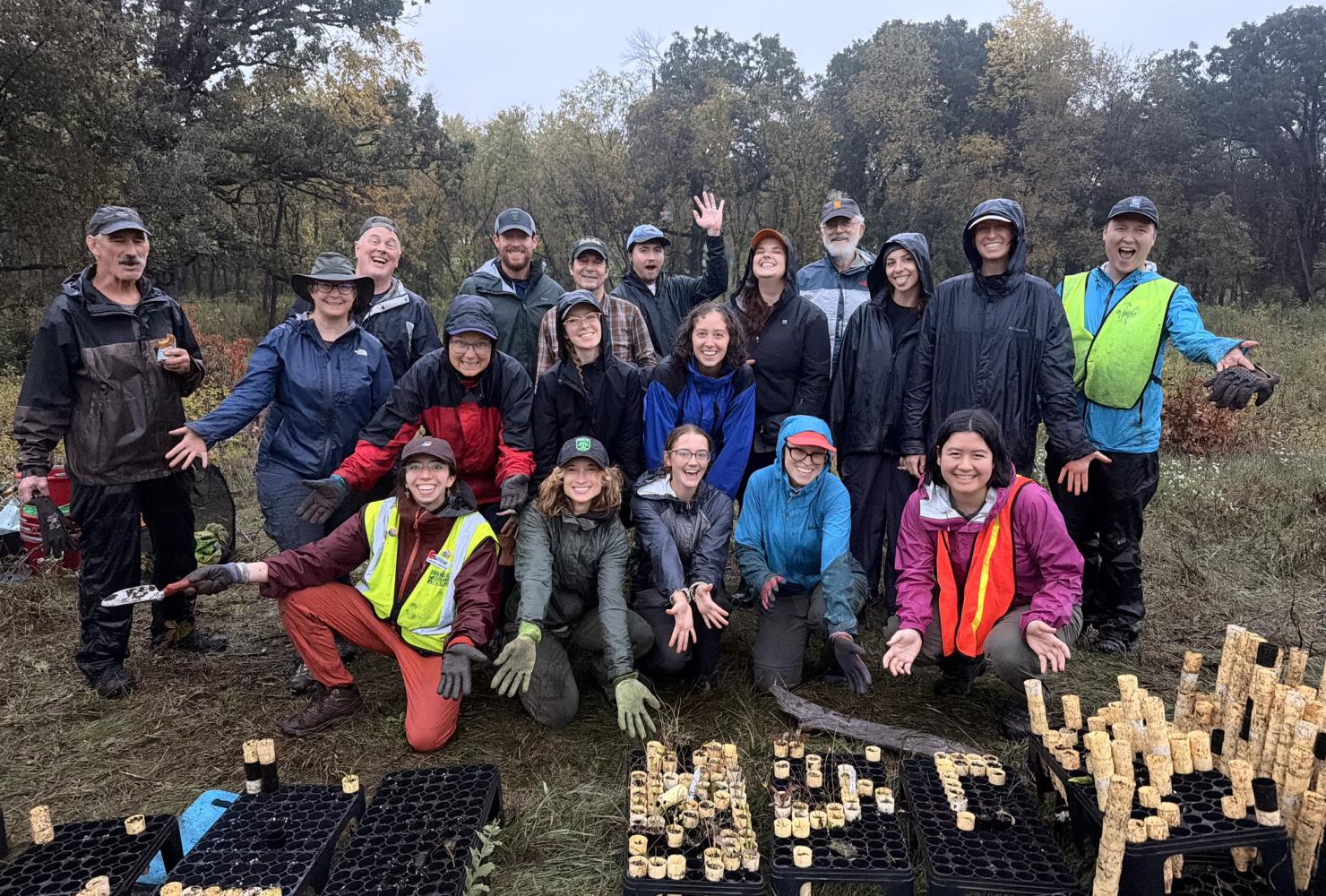
Volunteers have played an important role in restoring the site. In September 2026, volunteers planted 40 shrubs and over 1,200 native wildflower and grass plant plugs grown from locally collected seed by Dakota County's plant propagation team. Establishing native plants enhances wildlife habitat and improves water quality by reducing runoff and stabilizing the riverbank.
Find out more and get involved
- Volunteer with us to restore places like this.
- Learn more about FMR's habitat restoration efforts along the Vermillion River.
- Check out our bike route map and guide along the Vermillion River in Hastings.
- Contact FMR project lead Logan Olson.
Partners and funders for our work at Dakota Conservation Area
This work was made possible by the MN Board of Water and Soil Resources, Dakota County, the Vermillion River Watershed Joint Powers Organization, and by our generous volunteers and donors like you!
Where we work
FMR maintains over three dozen habitat restoration and land protection sites in the metro area.