
Willow Brook
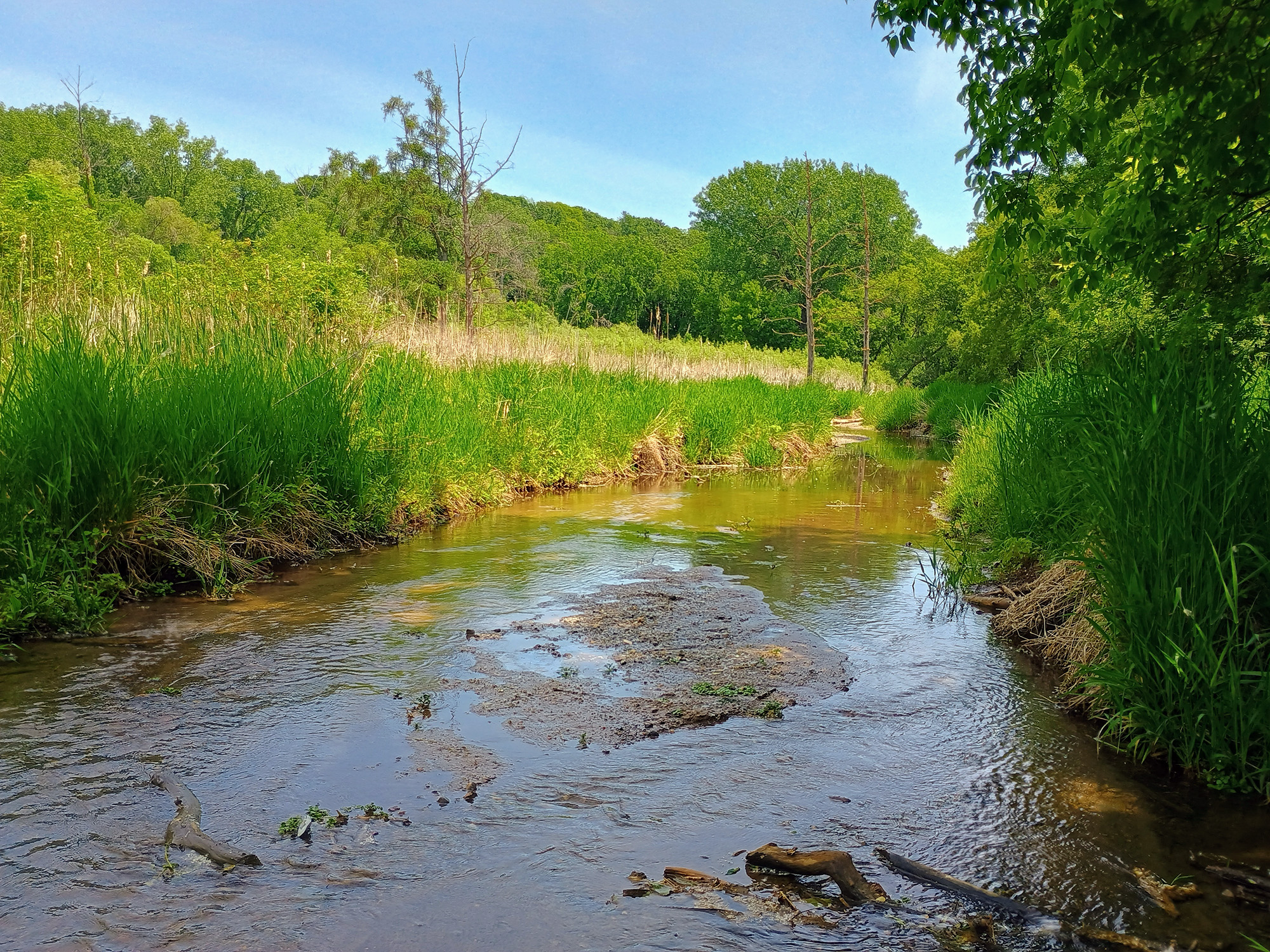
Nestled between Warner Road and the Mississippi River just south of downtown St. Paul, 70-acre Willow Brook is home to the DNR's Central Region Headquarters and Minnesota’s first state-run fish hatchery. Students work with us here to restore habitat and research restoration methods.
Where is Willow Brook?
Willow Brook — also called the Department of Natural Resources (DNR) Central Region Headquarters or the St. Paul Fish Hatchery — is a 70-acre site across the railroad tracks from the Mississippi River, southeast of downtown St. Paul. In addition to containing the DNR building, fish hatchery and associated infrastructure, it’s also the off-season home of the fish at the DNR’s State Fair pond and over 60 acres of natural habitat.
This site is surrounded by protected parkland, including Waḳaƞ Ṭípi, Wic̣aḣapi, Battle Creek Regional Park and Pig’s Eye Regional Park. This connectivity to other protected spaces helps create a corridor of habitat along the river. The site is also not far from Pig’s Eye Lake, Pig’s Eye SNA and Fish Creek Open Space.
The public is welcome to visit Willow Brook. (See the DNR website for more info.)
Our work here takes place on Dakota homelands.
What's special about Willow Brook?
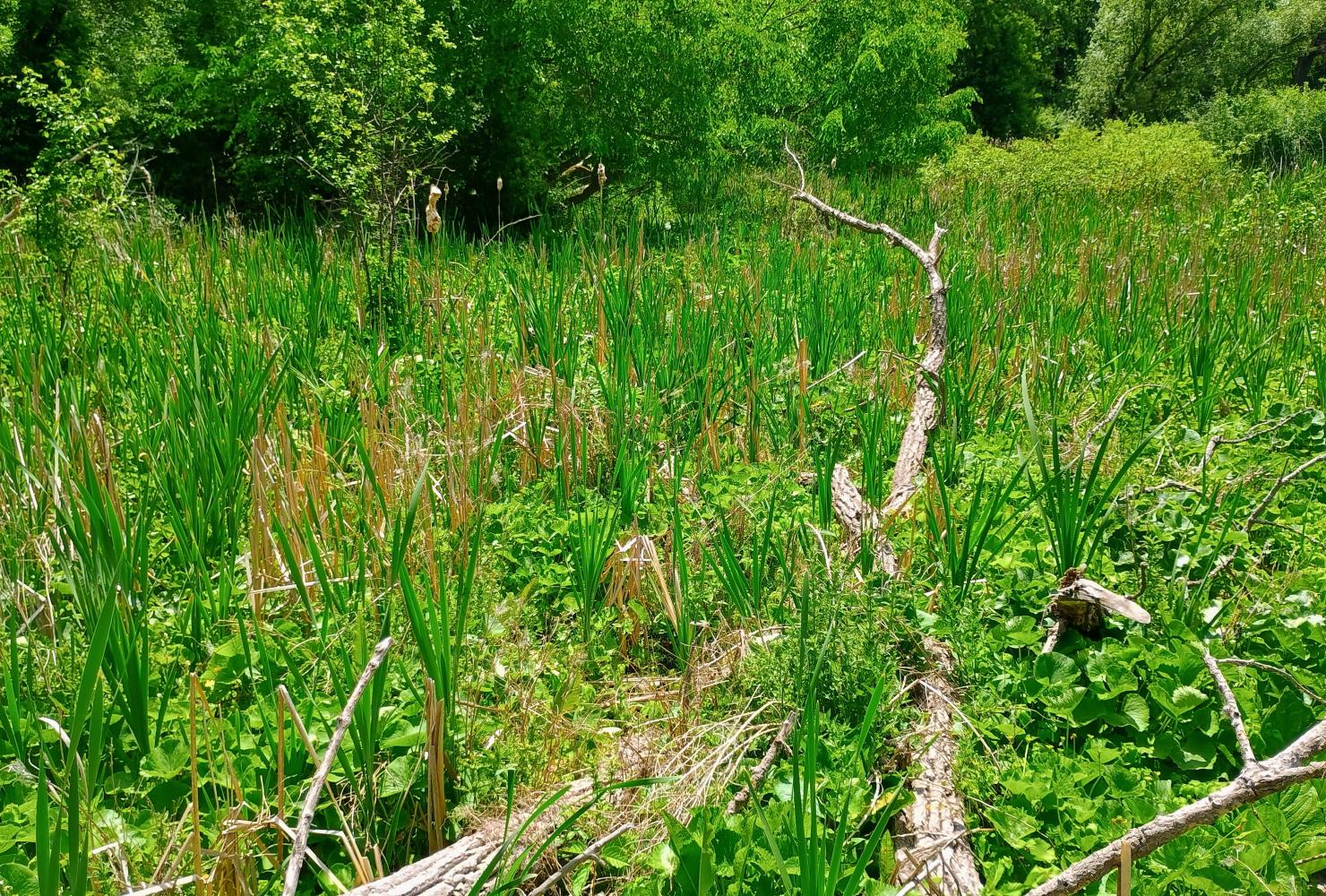
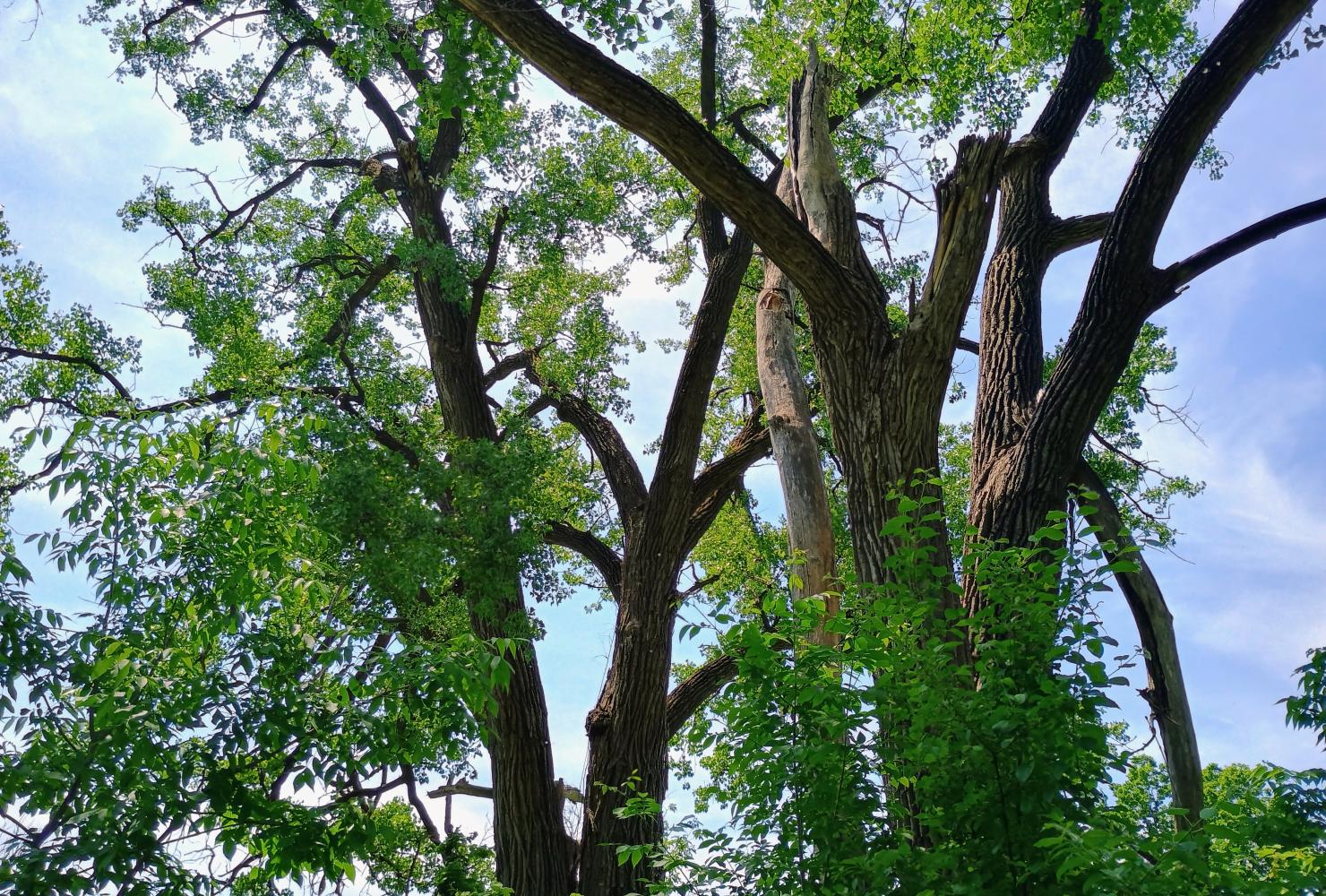
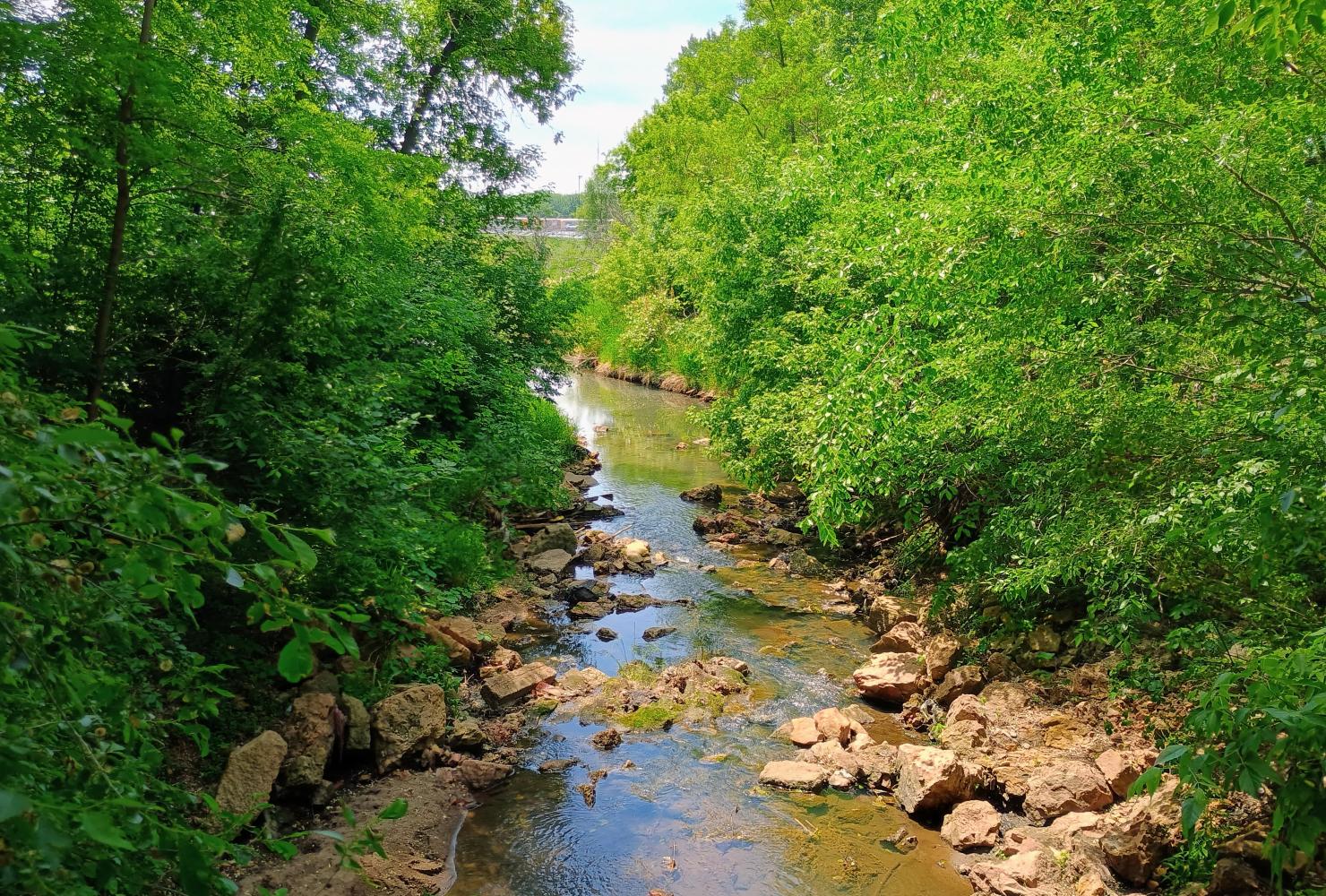
The site has undergone many changes over the past century and a half. In precolonial times, the majority of this land was covered by tamarack and black ash swamp, marsh and sedge meadow fed by numerous seeps, springs and small meandering streams and rivulets. The upland areas were primarily oak savanna. The region contained a great diversity of habitats that provided for an incredible abundance of wildlife.
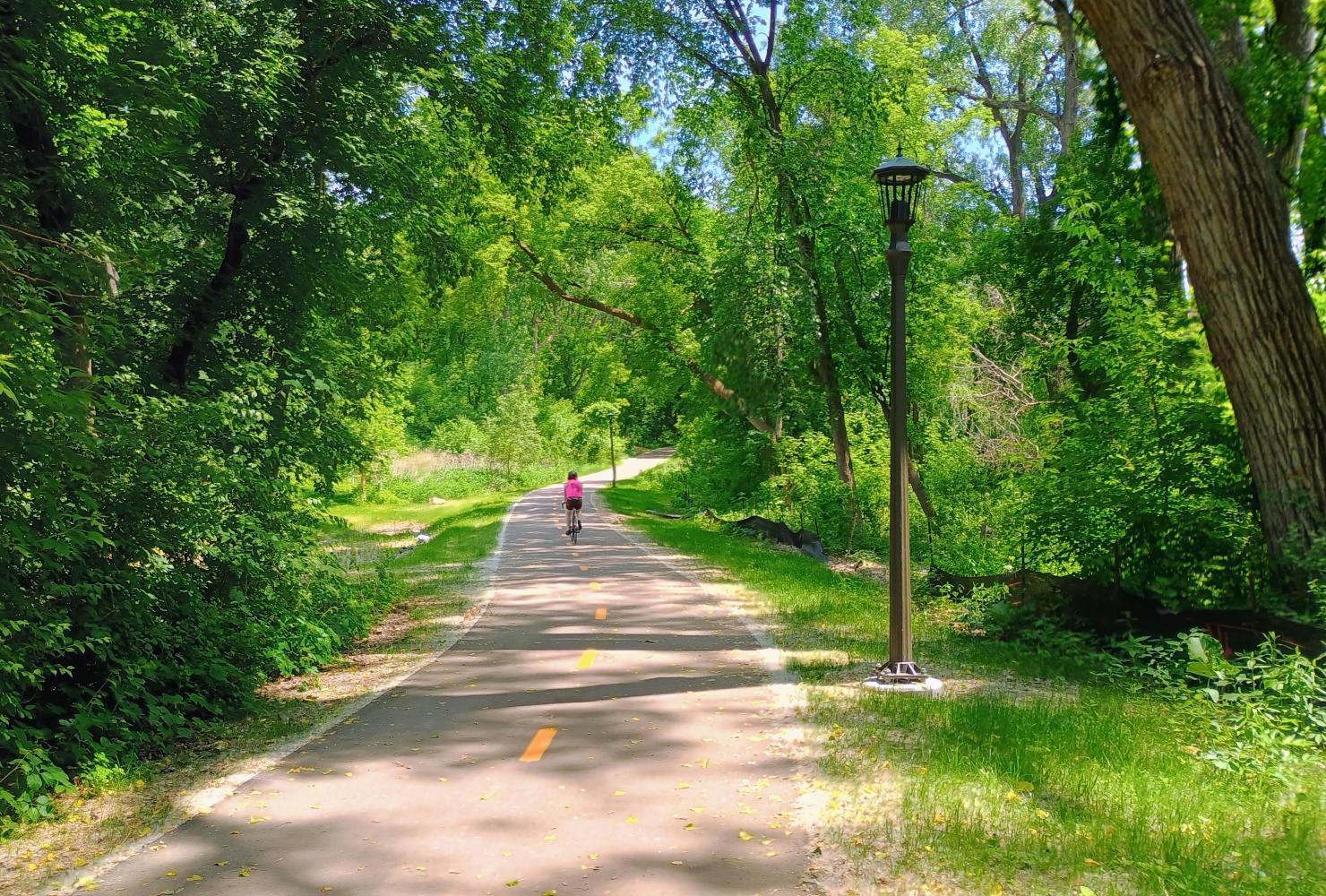
The Willow Brook campus has both walking and biking trails for exploring the forest and wetland habitats around Little Pig's Eye Lake. The site is also adjacent to the Pig's Eye Regional Park Archery Range, offering visitors the opportunity to test their accuracy.
Our work at Willow Brook
FMR wrote the natural resource management plan for Willow Brook in 2014 and has been helping to restore the site and conduct research there since. FMR staff led contracted crews and Conservation Corps crews in buckthorn removal, invasive herbaceous removal, and native seeding and planting. We have conducted frequent monitoring to inform additional restoration work performed by DNR staff.
Willow Brook is also one of our most active sites in terms of student engagement.
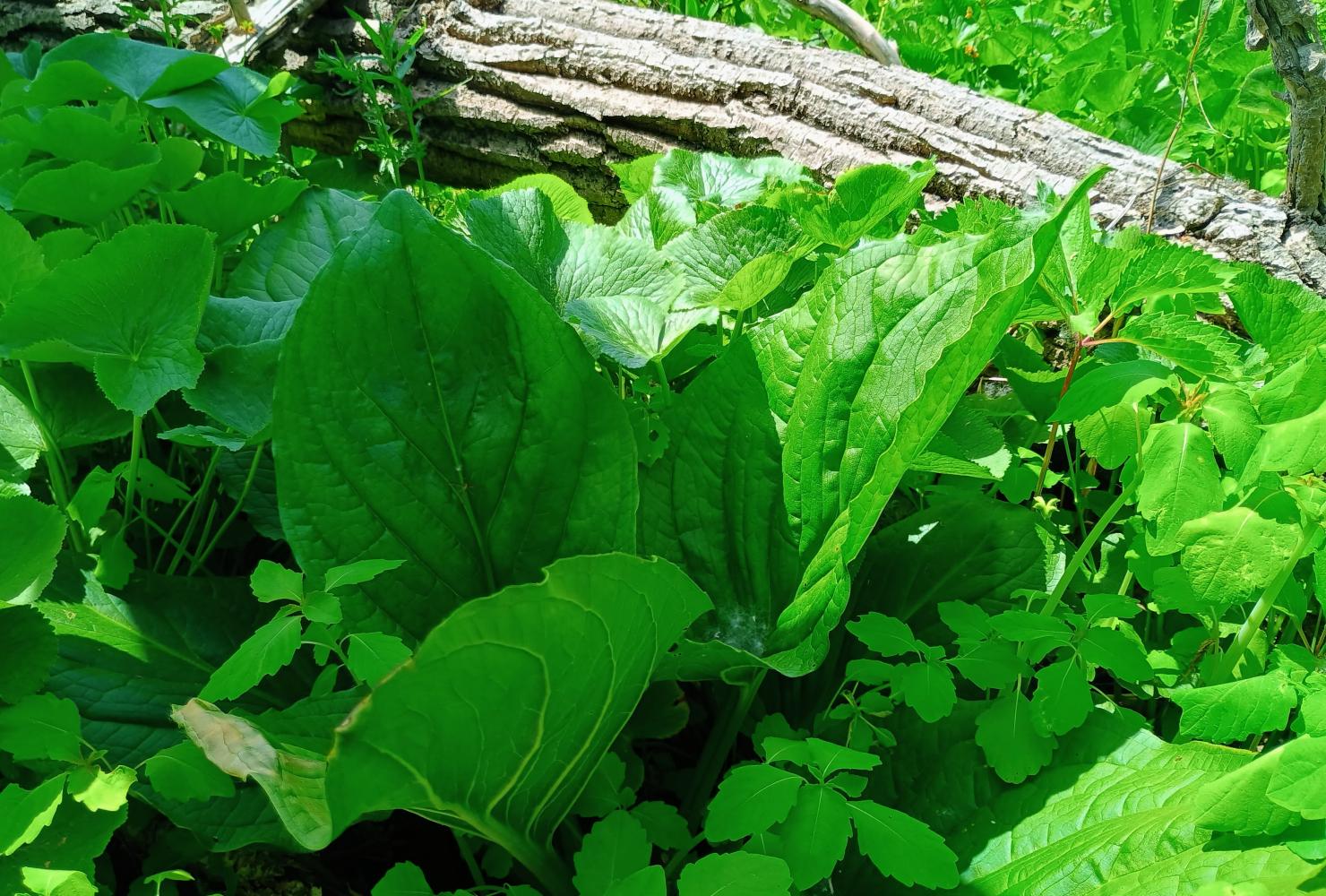
Here, we work with Harding High Earth Club students who are investigating garlic mustard removal methods and the success rates of various post-removal native seed mixes. And in a joint project with the DNR and the city of St. Paul, we work with Urban Roots youth crews to live-stake various tree species to replace ash in the site's seepage swamps.
So far, this research has informed FMR's habitat restoration efforts, and we look forward to it supporting work across the state as well.
Find out more and get involved
- Volunteer with us to restore places like this.
- Learn more about our education program.
- Learn why habitat corridors are so critical.
- Contact FMR project lead Alex Roth.
Partners and funders for our work at Willow Brook
This work was made possible by the Minnesota Department of Natural Resources and by our generous volunteers and donors like you!
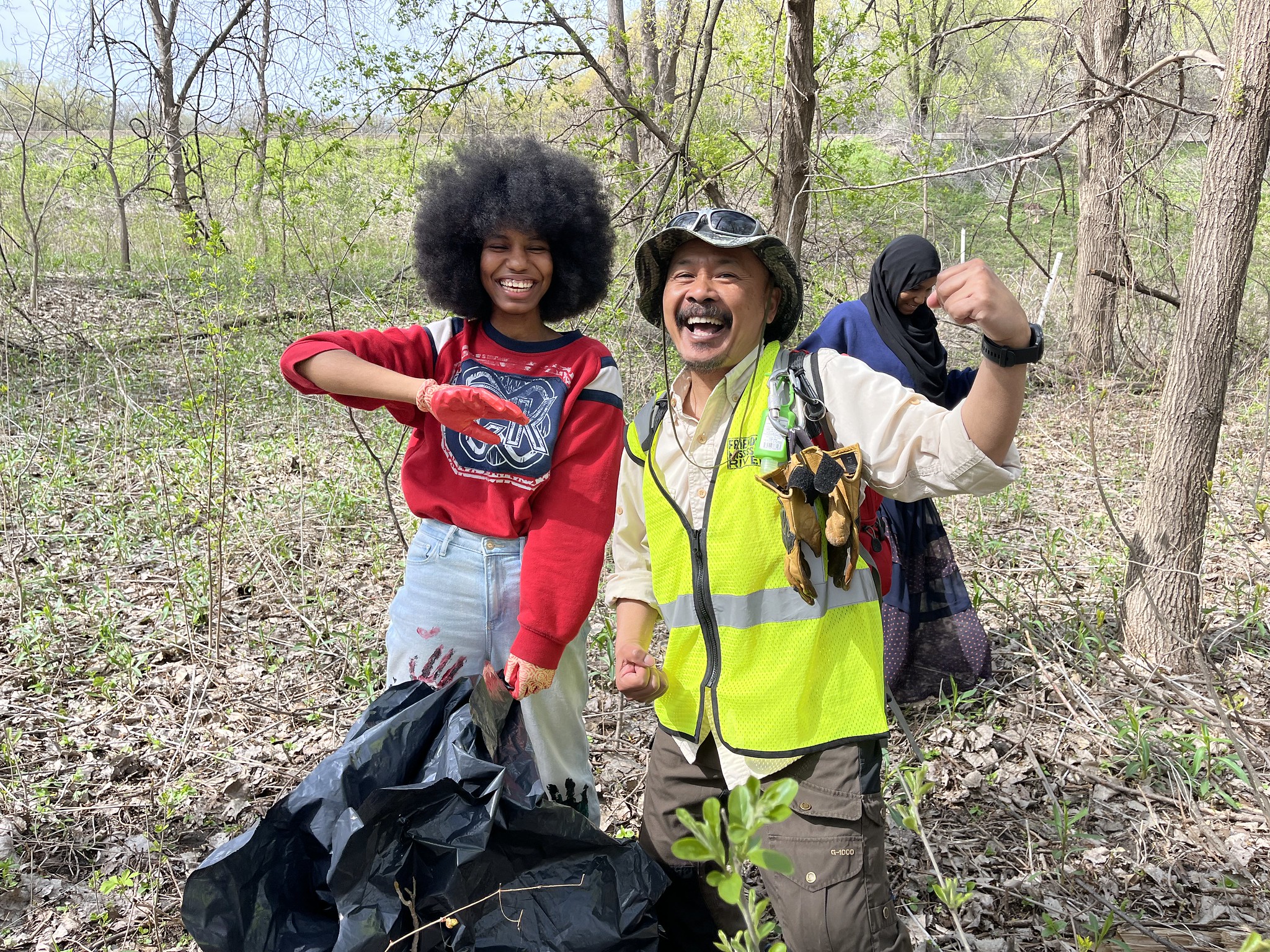
FMR's education team works with Harding High Earth Club to continue improving habitat at Willow Brook.
Where we work
FMR maintains over three dozen habitat restoration and land protection sites in the metro area.