restoration

restoration
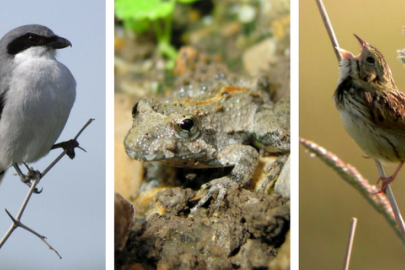
Endangered species recovery at FMR restoration sites

article

Plant and animal populations decline for many reasons — habitat loss, climate change, pollution and other factors. The Endangered Species Act was enacted in 1973 to prevent the decline and extinction of at-risk species and aid their recovery. At FMR, one of the ways we can best benefit endangered species is through the enhancement or restoration of native habitat. FMR’s many restoration sites do just that, providing much-needed habitat for both common and endangered plants and animals.

While the Endangered Species Act has benefitted countless species, we’d like to think our restorations have as well. We've spotted three endangered species — loggerhead shrike, Blanchard's cricket frog and Henslow's sparrow — at our sites so far this year! 

Read more
A trio of endangered species recently found at FMR conservation and restoration sites.
Students track FMR restoration's impact on wildlife

article

With restoration work at the William H. Houlton Conservation Area slated to start this fall, students from the local Elk River Senior High School have begun to collect baseline data to help FMR track the restoration's impact on local amphibians, plants, trees and aquatic invertebrates.

Read more
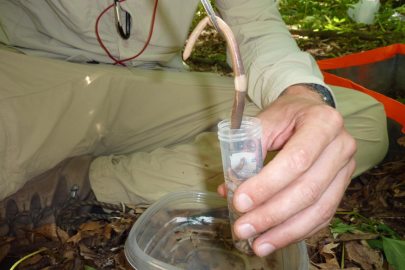
Gathering invertebrates, indicators of water quality
Swing Bridge Park: Our newest restoration & volunteer site

article

This unique location blends historic renovation with ecological restoration along today's working river. Learn more about its history, ecology and our first public volunteer event at this riverfront site, Saturday, June 4.

Read more
Swing Bridge Park entrance
Harnessing fire as a conservation tool

article

Fire was once commonplace on the American landscape. After nearly a century of suppression, it’s making a comeback. Find out why fires are on the rise, and how FMR uses fire as a tool to restore habitat on many of our restoration sites.

Read more
FMR restoration efforts emphasize pollinator health

article

Pollinators have had a rough go of things lately, with habitat loss and overabundant pesticide use leading to declines in many bee and butterfly species. However, it’s not all doom and gloom. These declines have sparked a renewed interest in pollinators, leading to new initiatives and funding for the conservation of these species. Find out what FMR and others are doing to protect pollinators in Minnesota.

Read more

Pages

Upcoming Events

Saturday, February 7, 2026 - 10:00am to 11:30am
FMR's office, near Harriet Island in St. Paul
Sign up in January; Compete throughout February 2026
Hennepin, Ramsey & Washington counties
This school year
In your classroom or outside