
What the new political landscape means for the Mississippi River
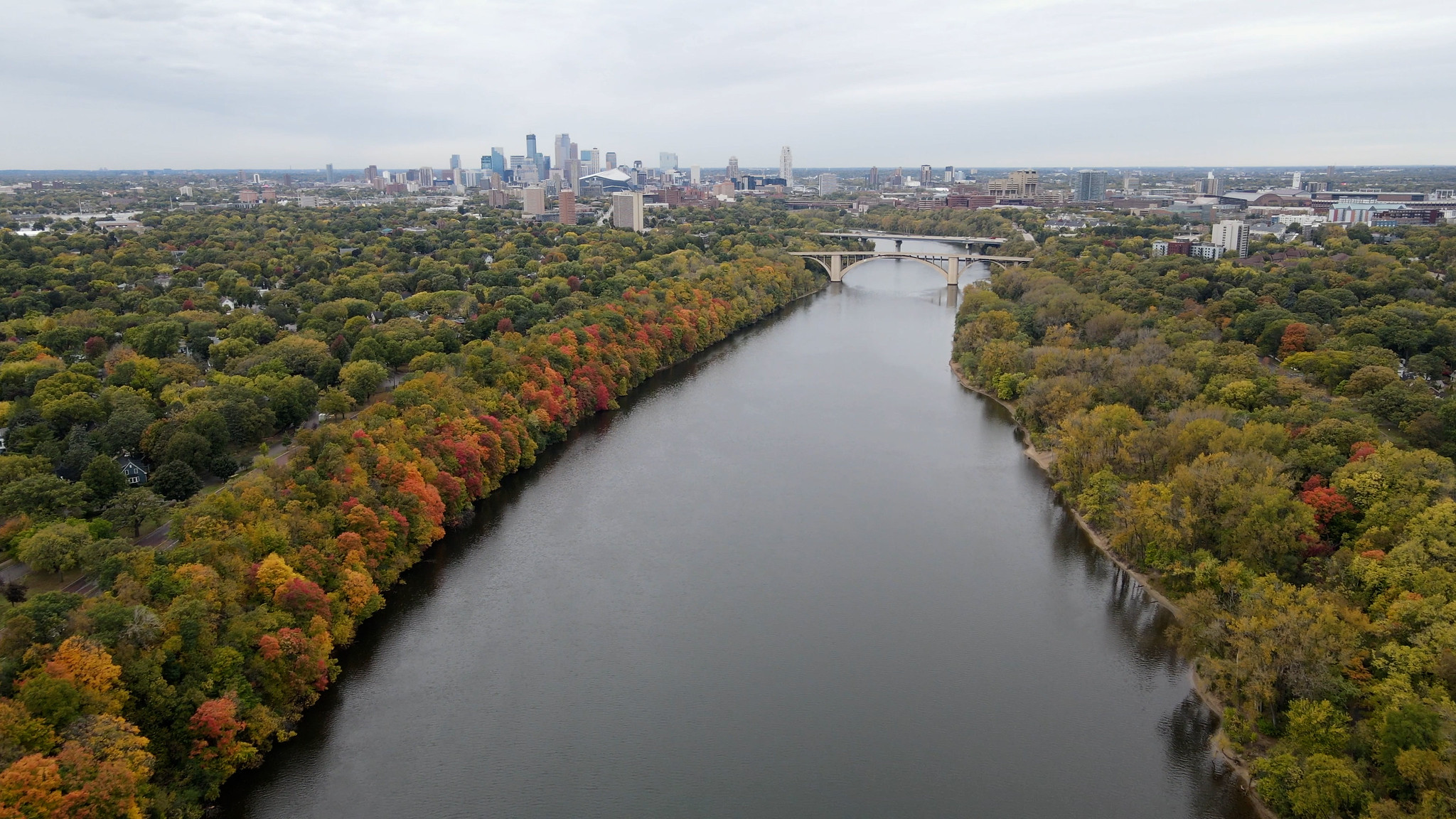
The 2026 election results could open up possibilities for environmental policy initiatives. (Photo by Mike Durenberger)
Minnesotans entered the 2026 election cycle in a decidedly "purple" political environment, with the DFL holding a one-seat majority in the state Senate and an evenly divided state House of Representatives.
On Nov. 3, a jaw-dropping blue wave election remade the political landscape across the nation, including here in Minnesota.
Here's what the election results could mean for the Mississippi River and FMR's near-term policy goals at the state and federal levels.
The Minnesota perspective: A DFL trifecta retakes control
Minnesota voters have put the DFL firmly back in control in the state. The election delivered a DFL trifecta with sizable majorities in the House and Senate and control of all four statewide offices (governor, state auditor, secretary of state and attorney general).
With several races likely headed to recounts, Democrats currently hold a 39-28 majority in the Senate and a 77-57 majority in the House. Governor-elect Amy Klobuchar will be sworn in on Jan. 4, 2027, and will quickly propose a new state budget and appoint commissioners to key state agencies charged with protecting our air, land and water.
The Minnesota Legislature convenes on Jan. 12 and has until May 17 to pass new legislation along with a two-year state budget.
What state results mean for the Mississippi River
While FMR has long pursued bipartisan support for many of our legislative and budget priorities, it's undeniable that this new political landscape will present opportunities for new policies and investment that help protect and restore the river.
Some things won't change much. We expect continued bipartisan support for Forever Green and Continuous Living Cover agriculture, investments in drinking water and wastewater infrastructure, and dedicated environmental funding for land conservation and watershed restoration through the Environment and Natural Resources Trust Fund, Outdoor Heritage Fund and Clean Water Fund.
But a DFL trifecta may create a favorable pathway for at least some new environmental legislation. This could include funding for invasive carp prevention, new data center regulations and chloride pollution reduction initiatives.
State lawmakers will also likely explore additional, more ambitious environmental initiatives. This might include new wild rice protections, cap-and-invest initiatives aimed at reducing greenhouse gas emissions, climate superfund legislation and perhaps the renewal of the state's Clean Water, Land and Legacy Amendment.
We'll share more about our state legislative priorities and strategy in the new year. (Sign up for updates.)
The federal perspective: A blue wave sweeps the nation
At the federal level, the blue wave swept Democrats into control of both chambers of Congress for the first time since 2023.
As of this writing, Democrats currently hold a 252-166 House majority, with 17 races yet to be called. In the Senate, Democrats currently hold a 54-44 edge, with races yet to be called in Mississippi and Alaska.
Minnesota elected DFLer Peggy Flanagan to the U.S. Senate, and Democrats won at least four of eight congressional seats. (The race in Minnesota's 1st Congressional District is heading to a recount.) However, President Trump remains in the Oval Office with two years left in his second and final term, and retains veto authority over congressional legislation.
Now that current U.S. Sen. Amy Klobuchar is the Minnesota governor-elect, the law requires a temporary appointment to fill her old Senate seat until voters select a new senator in 2027.
What national results mean for the Mississippi River
The election results could lead to a shift in environmental policymaking at the federal level.
Perhaps most significantly, we'll have a renewed opportunity to move forward the Mississippi River Restoration and Resilience Initiative (MRRRI).
FMR, along with the Mississippi River Network, the National Wildlife Federation and many others, has been a driving force in an ongoing effort to create a place-based, whole-river program. MRRRI could provide approximately $300–350 million annually for clean water, habitat restoration, flood resilience and invasive species management throughout the 10-state Mississippi River corridor.
Secondly, the new Congress may have a chance to advance a long-overdue farm bill that invests in on-farm conservation, crop insurance programs and core safety-net programs like the Supplemental Nutrition Assistance Program (SNAP). FMR has advocated with our national delegation for clean-water crops and continuous living cover incentives in the farm bill, and will continue to do so.
Congress could also enhance federal oversight, including examinations of recent federal agency cuts, funding freezes and attempts to weaken environmental oversight. And the new majority may pursue efforts to restore environmental protection and funding for climate resilience, agricultural conservation and clean water — investments that could have significant benefits for the Mississippi River and its watershed.
However, with the U.S. Senate requiring 60 votes to move most legislation, bipartisan support will still be necessary to advance critical legislation in the next Congress.
Looking ahead
The election may represent an opportunity to build on existing environmental protections and advance long-term investments in clean water, habitat restoration and river health. But the real test will be whether elected officials translate that opportunity into legislative and budgetary commitments.
That's where FMR members and River Guardian advocates come in.
Sign up to be a River Guardian, so we can reach out when there are opportunities to urge our newly elected decision-makers to act on important issues. You'll also get invites to special events, like a legislative session preview early in 2027.
Become a River Guardian
Sign up and we'll email you when important river issues arise. We make it quick and easy to contact decision-makers. River Guardians are also invited to special social hours and other events about legislative and metro river corridor issues.