
High-value hearings keep Forever Green, clean-water crops at the fore
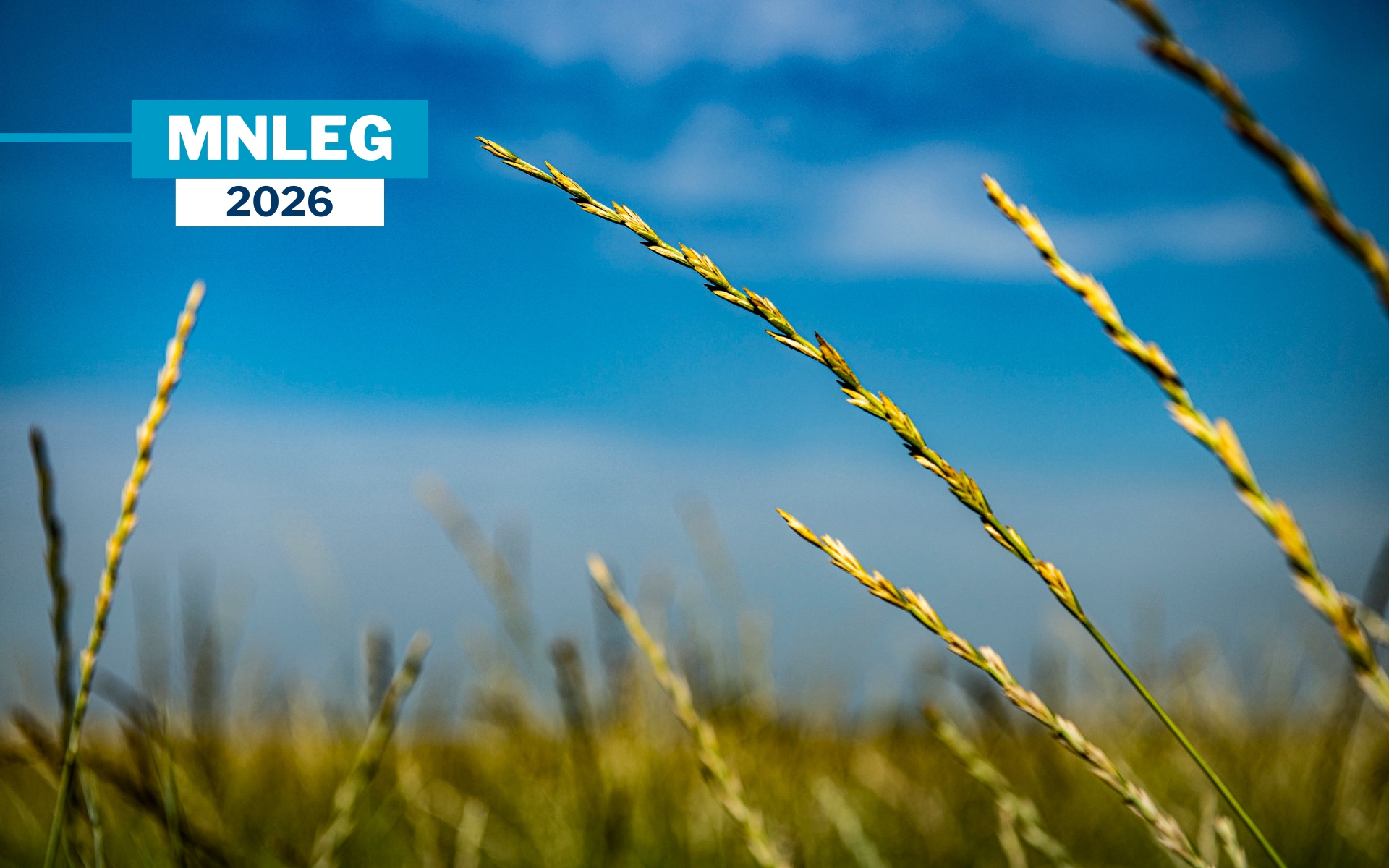
Deep-rooted perennial crops like Kernza, which you can see here, can help keep agricultural pollutants out of Minnesota's waters. (Photo by Dodd Demas for FMR)
May 21, 2026 update: Check out FMR's post-session legislative roundup to see how this and other priorities fared.
The shifting forecast for the state’s near-term budget — not to mention the election year political climate — tempered our expectations for new investments in sustainable agriculture this legislative session. But knowing it’s important to keep the fire stoked for the next opportunity, we've continued to advocate for clean water, resilient landscapes and rural diversification whenever possible at the Capitol.
The first hurdle is always to get heard. Literally: The best way to hold lawmakers’ attention during a busy session is to finagle an official legislative hearing.
In this case, we saw a lot of value in sharing the substantial progress being made in the world of continuous living cover, and leadership on both chambers' agriculture committees agreed.
We were granted significant time to present updates on advancements with clean-water crops that provide continuous living cover, market development progress and value chain investments along with our colleagues in the Forever Green Partnership.
Our first hearing, in the Senate Agriculture Committee on Feb. 25, (watch it here), featured testimony from Paul Novotny, a Chatfield-based farmer who’s among the early adopters of winter camelina, and a wealth of knowledge on the real-world challenges and opportunities for early-adopters of this winter-hardy oilseeds; Peter Frosch, the CEO of Greater MSP, which positions winter-hardy oilseeds as a centerpiece of its long-range strategy; and two leaders of the University of Minnesota's Forever Green Initiative, Co-Director Dr. Mitch Hunter and Director of Adoption and Scaling: Commercialization Colin Cureton.
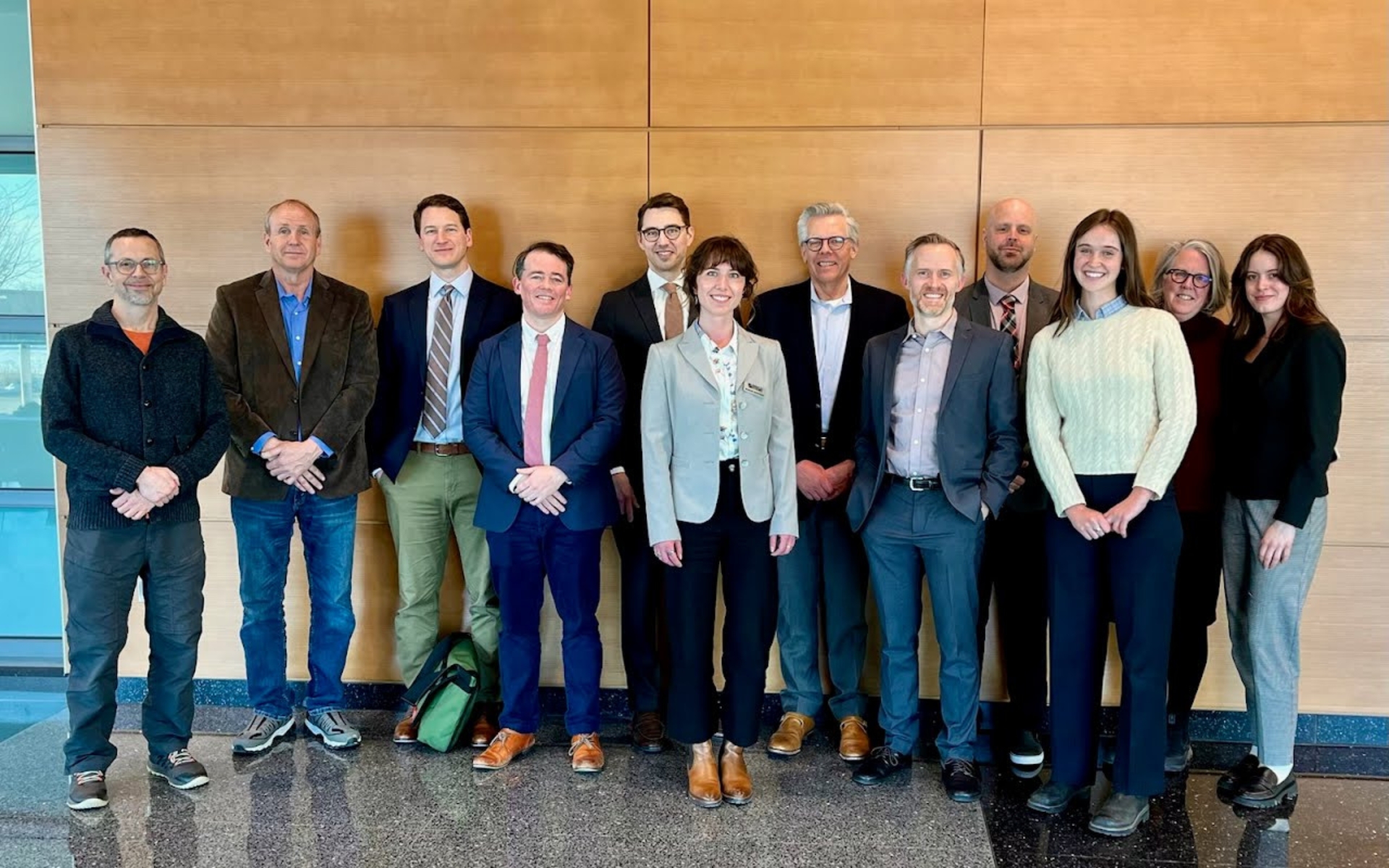
The hearings featured a strong, multi-sector show of support for Forever Green and continuous living cover crops. (Photo by FMR)
As senators have learned more over the years about continuous living cover, their enthusiasm has ratcheted upwards.
Sen. Judy Seeberger relayed an anecdote from a recent town hall she held, which pivoted from discussion of the daunting problems facing Minnesotans to the optimistic story of Forever Green.
"I said, you know what? Let me tell you a little bit about what I work on in ag," recalled Seeberger. "And it wasn’t the conversation they expected to have, but I talked about the Forever Green program and I talked about Kernza, and by the end of that conversation people felt happy, and they were surprised because we do other things here at the Capitol other than fight about controversial issues; we do wonderful things like support the Forever Green program."
Of course, snacks can help. Lawmakers were treated to bowls of Kernza cereal while Hunter told the committee about General Mills’ efforts to add the deep-rooted perennial grain into more products.
"I was just looking back...I started this in 2015 when I first planted Kernza and it's amazing to see how far that market has grown in a short 10 years," Novotny told lawmakers. "And now winter camelina and its growth potential, with continued funding, it'll be exciting [to see] what the future holds for that crop."
Similar optimism is building in the House, where we presented our case to Agriculture Committee lawmakers on March 9 (watch it here). This time Novotny, Hunter and Cureton were joined by Ariel Kagan of the Minnesota Farmers Union. It focused on a collaborative study our groups are creating as a roadmap to reach 1 million acres of camelina in Minnesota.
Far from rushing on to the next agenda item, lawmakers asked detailed questions about the project and the progress being made on crop development.
Although we’re keeping our sights set on 2027, we’re heartened by the interest and enthusiasm from state lawmakers, and can only think it bodes well for future prospects.
Become a River Guardian
Sign up and we'll email you when important river issues arise. We make it quick and easy to contact decision-makers. River Guardians are also invited to special social hours and other events about legislative and metro river corridor issues.