
Our 2026 legislative priorities for the river
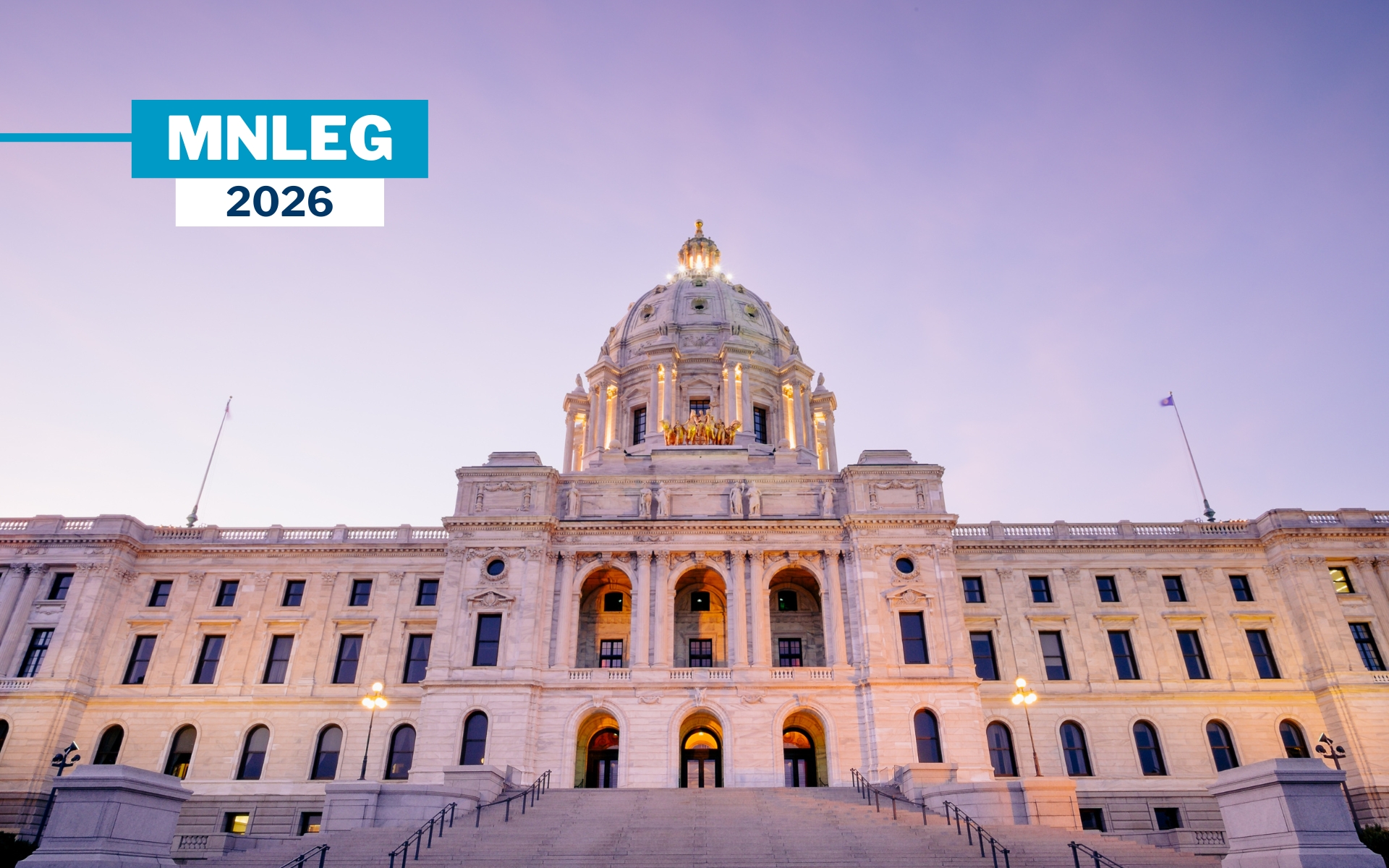
FMR staff will be at the Capitol, as usual, to advocate for policies that support clean, healthy waters. (Photo via Canva)
Change is certainly on the horizon for Minnesota politics. Not only is every House and Senate seat in the Legislature on the ballot this November, there is also a list of candidates hoping to succeed Tim Walz and become the state’s new governor.
Whatever comes next, there’s a lot of work to do between now and then to help secure a cleaner, healthier Mississippi River. It starts with the 2026 legislative session.
Running from Tuesday, Feb. 17, through May 18 (at the latest), lawmakers during this time will introduce, debate, amend and vote on legislation, including proposals that have the potential to shape the future of Minnesota’s rivers, lakes, streams and groundwater. FMR staff will be at the Capitol, as usual, to advocate for policies that get to the root of longstanding obstacles to healthy water for all.
Below, we run through our major Mississippi River priorities for this session, along with factors that will influence how things shake out.
First, we want to take a brief moment to acknowledge a painful reality. This will be the first legislative session since an act of politically motivated violence killed Rep. Melissa Hortman, her husband Mark and their dog Gilbert. Melissa was a true supporter of the river and her community, and her absence will be deeply felt. In addition, Sen. John Hoffman will make his return to the Capitol after the attempt on his life by the same accused gunman. We’re grateful for the continued recovery of both John and his wife Yvette.
FMR's 2026 priorities for the river
Funding for clean-water crops
Getting to clean water will require a massive increase in living cover — live plants on cropland year-round that can cover the big brown spot. Scientists and commercialization specialists at the University of Minnesota’s Forever Green are leading the development of the clean-water crops we need to make this a reality.
These clean-water crops are at a pivotal point. Demand for winter camelina, for example, will skyrocket as airlines invest in new, lower-carbon fuel options. (Read more on this below.) Forever Green needs sufficient funding to keep research moving forward, and to provide support to farmers as they incorporate these crops into their operations.
We’re eyeing some possible funding opportunities via the Clean Water Fund, which will greatly enhance the steady base funding Forever Green receives.
Supporting the market for clean-water crops
Small- and mid-sized local businesses are working to bring clean-water crops to the market. In some cases, it’s making a new food product out of Kernza flour or dried elderberries. In others, it could be filling one of the gaps in the emerging supply chain.
We’ll be asking legislators to approve another round of funding for the clean-water crops market development grants program — which, to this point, has bolstered numerous small- and mid-sized Minnesota businesses, but has not been able to keep up with demand.
Environmental guardrails for sustainable aviation fuel
We learned a lot from the time we spent with sustainable aviation fuel experts and decision-makers last fall. One big takeaway: Protecting water and biodiversity hasn’t been top of mind. In fact, most people we spoke with didn’t realize the ways SAF could help or hurt water quality.
With Minnesota poised to be a center of SAF development, it’s imperative we get this right. The existing state tax credit does not include measures that protect clean water and habitat. We’ll be working with partners and allies to push for new environmental guardrails around SAF development tax credits — guardrails that will help us meet the sustainability promise of SAF and avoid the peril.
Getting answers around Twin Cities locks and dams
One of the biggest (literally and figuratively) issues in the Twin Cities stretch of the Mississippi River: What to do with two aging, functionally obsolete locks and dams. The U.S. Army Corps of Engineers is in the midst of a disposition study that will help to make long-term decisions about maintaining or removing the dams. But it’s slow going, and there are serious gaps.
This year’s Environment and Natural Resources Trust Fund bill (recommended by the Legislative-Citizen Commission of Minnesota Resources and funded by state lottery proceeds) includes a $923,000 grant to FMR for a complementary study that would get us much-needed answers. The ENRTF LCCMR bill typically passes with bipartisan support and without much disagreement. We’ll be watching to make sure this year is no different.
Funding for work at 4 FMR conservation sites
This year’s Outdoor Heritage Fund spending recommendations includes $869,000 for restoration work at four separate FMR conservation sites: Hastings Sand Coulee SNA, Rosemount Wildlife Preserve, Camp Cozy and Highlands of River Pointe. It will allow us to remove invasive plants, seed and plant native prairie and forest species, conduct prescribed burns, and maintain diverse, resilient habitat.
Legislators typically follow the council’s spending recommendations for the Outdoor Heritage Fund, and we expect no different this session.
Funding new wastewater treatment systems
Many of our wastewater and drinking water treatment systems were built half a century ago, and are in dire need of repairs, upgrades or replacing. Because the costs of these fixes are usually too expensive for individual communities to take on, legislators have invested in fixes through the bonding bill. Bonding bill discussions often morph throughout the session, but we think there’s a good chance there are millions of dollars available for water infrastructure upgrades.
Additional issues we're monitoring
Data centers legislation
Multiple environmental organizations and local communities have been grappling with how — or even whether — to accommodate the growing demand for hyperscale data centers. These operations are water-hungry and, if poorly designed, could threaten the health of our rivers, lakes and streams.
Sulfide mining legislation
FMR is seriously concerned about the potential negative consequences of the proposed nickel-copper sulfide mine that could be built in the St. Croix and Mississippi River watersheds.
What factors will influence this year's outcomes?
The upcoming election will loom over every hearing, vote and decision this session. There are other factors at play that may move the collective legislative needle as well.
- How much will the topic of fraud dominate the conversation? Will lawmakers (who will hopefully be more solutions-focused than theatrical) make time for other concerns and issues?
- The DFL holds a narrow one-seat majority in the Senate, while the House remains evenly split through a unique power-sharing agreement. This means any legislation will require bipartisan support to advance.
- The Office of Management and Budget’s November budget forecast showed a potential $2.96 billion state deficit for the next biennium. While the upcoming February forecast will clarify the picture, it’s unlikely the state will make significant long-term funding commitments.
- Federal funding and policy uncertainty could significantly impact the session. Funding cuts and delays, state-specific funding freezes, and the potential for another federal government shutdown create significant uncertainty for state lawmakers.
- Now in the second year of the biennium, the Legislature typically focuses on a state bonding bill and some supplemental budget decisions. But lawmakers are not required to pass either.
How you can help
Getting anything done at the Capitol requires a group effort. FMR and our partners count on you to stay informed and get engaged on the issues you're passionate about. The easiest way to do that?
Subscribe to our email newsletter Mississippi Messages to keep up with all the latest news. Sign up to be a River Guardian, and we'll reach out when there are opportunities to send a message to decision-makers on important issues. (You'll also get invites to special events.)
You can also see and sign all of our active petitions and action alerts here.
Become a River Guardian
Sign up and we'll email you when important river issues arise. We make it quick and easy to contact decision-makers. River Guardians are also invited to special social hours and other events about legislative and metro river corridor issues.