
FMR ecologist makes the cover of Science for earthworm research

FMR ecologist Alex Roth at Ole Olson in North Minneapolis, one of the sites he plays a key role in planning and maintaining for pollinator and wildlife habitat.
From wrestling buckthorn to writing long-term ecological management plans for hundreds of acres to conducting vital research, FMR ecologists contribute to their fields in so many ways. Most recently, our ecologist Alex Roth was an author on earthworm research that made it on the cover of the highly regarded professional journal Science, the same journal that published the human genome for the first time.
Needless to say, we're excited. Betsy Daub, FMR conservation director, says "FMR knows our land conservation work needs to be informed by current research in order to provide the habitat needed by the river's wildlife. We're especially proud that Alex's own research is adding to this body of knowledge."
The study Alex co-authored, "Global distribution of earthworm diversity," was a collaborative effort between more than 100 scientists to pool and analyze data about these small but mighty ecosystem engineers. The research findings — including that climatic factors influence earthworm distribution more than soil or habitat cover — raises big questions about how climate change will alter where and how earthworms impact the land.
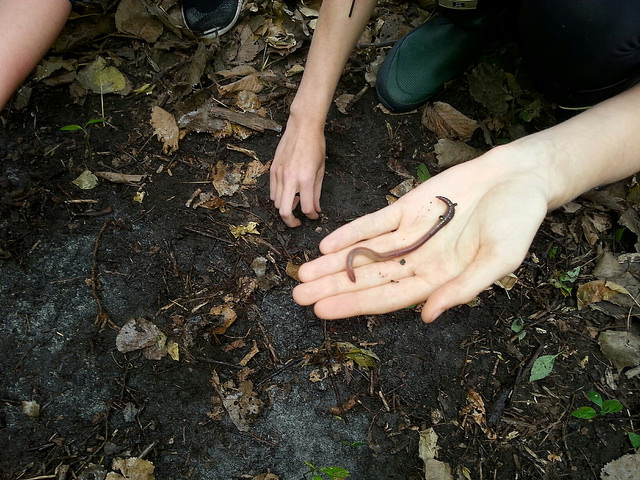
Local high schoolers assisted Dr. Roth with his research by counting earthworm populations.
Alex's contributions to the article came both from his dissertation research on invasive earthworms at the University of Minnesota, and from additional collection he conducted for the project. And since he started working for FMR, he hasn't stopped exploring these creatures. Alex has even worked with high schoolers to develop their own research about buckthorn and invasive earthworms.
While the journal article discusses global earthworm patterns, you can find out how drastically invasive earthworms can change Minnesota's forests in this blog post by Dr. Roth himself or in his interview on the Wandering Naturalist podcast.
Check out more FMR research and monitoring projects or read more from the conservation blog.