
Q&A: What the latest data says about the Mississippi River's health
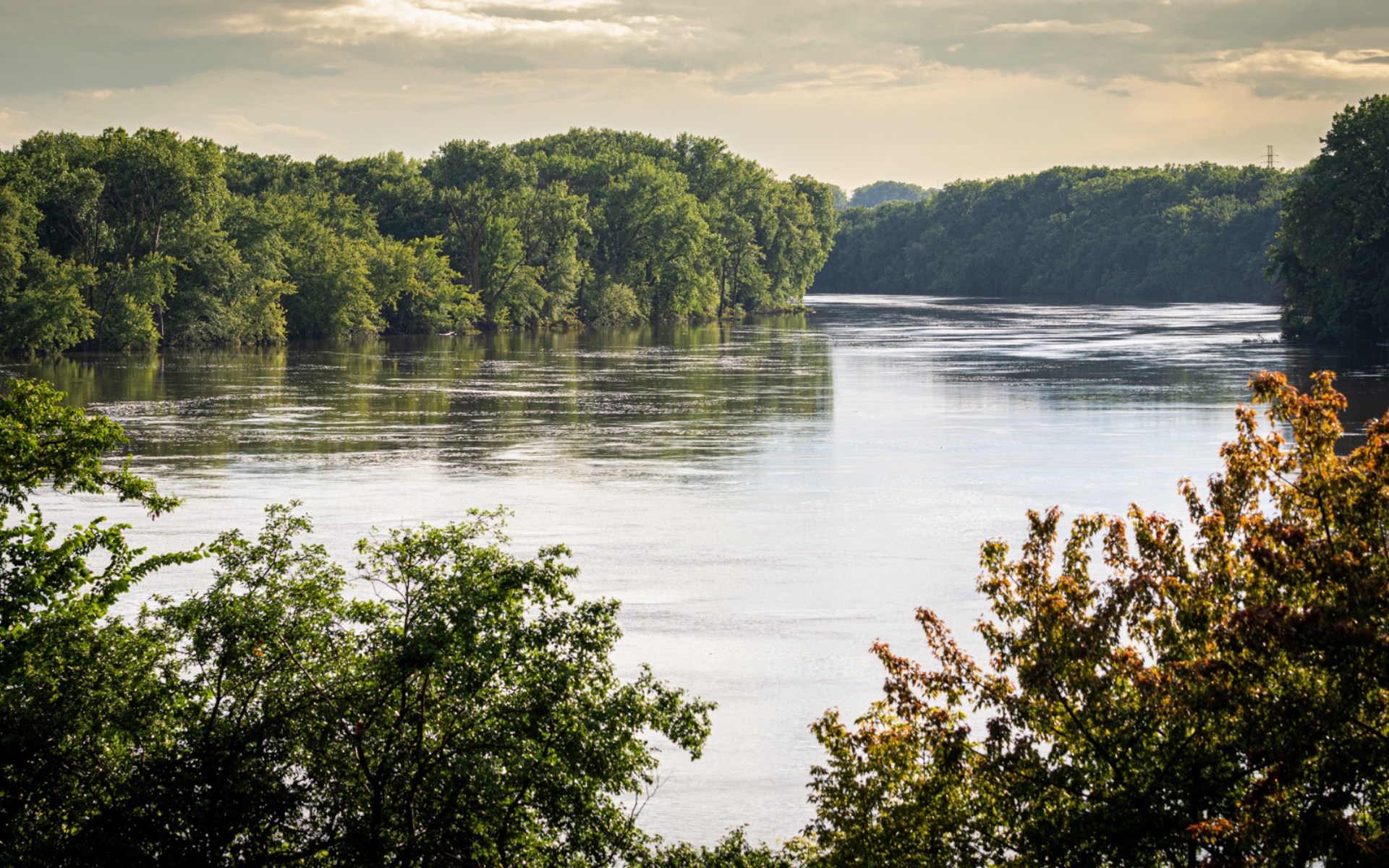
Almost every mile of the Mississippi River from headwaters to the Iowa border is considered impaired. One of the main challenges is sediment pollution, which is the result of eroding croplands, stream banks, bluffs and ravines. (Photo by David Wheaton for FMR)
Which of Minnesota’s rivers, lakes, streams and wetlands are healthy? And which ones are polluted?
This is what the impaired waters list helps us understand.
Released every two years by the Minnesota Pollution Control Agency, the list is like a regular health check-in for the state’s waters. The agency looks at a host of pollution indicators — things like mercury, nitrate, sediment, PFAS, fish populations and more.
A body of water is considered impaired if it fails to meet one or more state water quality standards. These standards define how much of a pollutant can be in the water before it is no longer drinkable, swimmable, fishable or acceptable for other designated uses.
In June the agency released a new draft list, which will be finalized later this year. There has been tangible progress since the 2024 iteration: 45 impairment designations have been removed, the single biggest reduction in the list’s history. However, there are now 46 additional lakes, rivers and streams that fail to meet pollution standards.

"Overall, we see the list as evidence that while Minnesota's clean water investments are starting to bear fruit, much more must be done to get to clean water. Since the bulk of runoff pollution is from agricultural sources, that means addressing the role of cropland agriculture."
As MPR News explained, it’s a sign the state is indeed making progress cleaning up its waters, but at the same time, better testing is uncovering issues that have likely gone unnoticed for years.
The Mississippi River is part of this biannual check-in, and we wanted to know more about how it fared. Who better to ask than FMR Water Program Director Trevor Russell?
Q: Let’s start with the Mississippi River. What are the most prevalent impairments in the river through the Twin Cities, and what’s behind those?
Trevor: Every reach of the Mississippi River in the Twin Cities is impaired for at least one parameter — either pollutant levels, habitat concerns or toxins in fish and wildlife.
Portions are impaired by excess sediment, bacteria and phosphorus, degrading aquatic habitat and recreation. Meanwhile, fish consumption guidelines are in place throughout the river due to elevated levels of contaminants like PFAS and mercury.
All of this is in line with what we found in our 2016 State of the River Report.
Overall the biggest challenge is agricultural runoff pollution, because it’s the predominant source of many of these impairments. That’s why FMR is so focused on scalable solutions to agricultural pollution through our work with Forever Green at the University of Minnesota.
Q: The Mississippi’s water quality is heavily influenced by tributaries, particularly downstream of major confluences. How did tributaries fare in this most recent list?
Trevor: Not surprisingly, the river’s major tributaries are also impaired. Let’s focus on the Minnesota River for a minute, which is considered heavily impaired.
Eroding croplands, stream banks, bluffs and ravines flush fine soil particles (like silt and clay) into the Minnesota River, and that sediment ends up in the Mississippi River at the confluence. This is where most of the sediment pollution in this stretch of the Mississippi comes from.
And you can see it. There’s a stark contrast where the two waters come together. The Mississippi becomes visibly cloudy, reducing sunlight needed by aquatic plants and making it harder for fish to feed and reproduce.
Sediment also carries other pollutants such as phosphorus, which feeds downstream algae blooms. As sediment settles on the river bottom, it can bury mussels, fish spawning habitat and aquatic insects that form the base of the food web. And in navigational areas, dredging the river to maintain safe passage for boats and barges is extremely expensive.
As a result of all this sediment pollution, the Mississippi downstream of the confluence with the Minnesota River is also impaired for excess sediment. This continues through Lake Pepin, about 50 miles downstream of the Twin Cities, where this sediment settles out as the river widens and the water slows. All that sediment is filling in the lake.
Q: This draft removes 45 water body impairments from the last impaired waters list. That’s 45 instances of a previously identified pollutant problem being fixed, the largest number of removals ever. What does that involve?
Trevor: Restoring polluted water often requires extensive research, planning, investment, and ongoing monitoring over many years. Thankfully, Minnesota has dedicated funding from the state’s Clean Water Fund to monitor and restore the state’s waters, and a lot of dedicated River Guardians that help make sure it's used for that purpose.
We’re seeing results from this long-term, focused work, and not just with these 45 impairments. The state has now resolved 125 waterbody impairments overall.
Q: Those numbers are focused on specific impairments, and a body of water might have more than one. So how many bodies of water have seen all of their impairments resolved — meaning they are no longer impaired at all?
Trevor: Minnesota has fully restored all impairments on 75 lakes, streams, rivers and other water bodies. The state details some of its successes in this report.
A water body can only be removed from this list after the state proves it meets a particular standard, and if the U.S. EPA agrees with the state’s conclusion. This is a high bar. The state is careful to make sure that an issue is resolved and on a trajectory to remain that way before delisting it. The state has never had to "re-list" a water body for an impairment that was previously cleaned up.
Q: How does FMR use this information from the impaired waters list? How does it inform what the organization works on?
Trevor: It’s an important snapshot and helps us understand the pollution challenges we’re facing, but the list alone is only part of the story.
It doesn't capture trends — waters improving or declining without crossing the impairment threshold and does not account for all the protection efforts that have kept waters off the list by preventing impairments from happening in the first place.
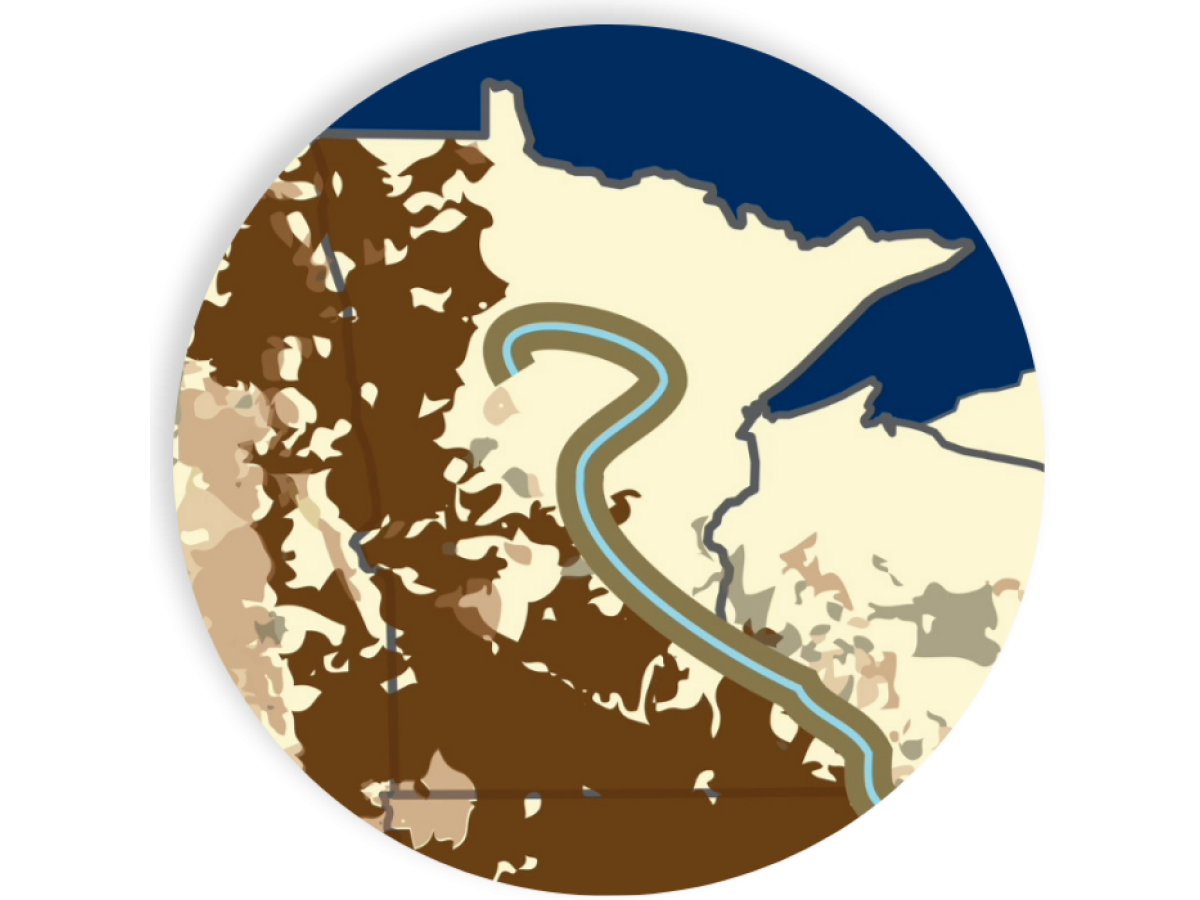
Video: How the 'big brown spot' pollutes the Mississippi River
The big brown spot is the predominant source of pollution to Minnesota's groundwater and river systems. And it's the biggest obstacle we face to achieving a clean, healthy Mississippi River.
Overall, we see the list as evidence that while Minnesota's clean water investments are starting to bear fruit, much more must be done to get to clean water.
Since the bulk of runoff pollution is from agricultural sources, that means addressing the role of cropland agriculture.
Q: Can you say more about what FMR is doing to address agricultural pollution?
Trevor: The state made its clear in the 2026 Nutrient Reduction Strategy: traditional voluntary conservation isn't enough to curb agricultural pollution.
To achieve clean water, we must embrace new, economically viable perennial and winter annual crops that clean up our waters while enhancing farm prosperity.
That's why FMR is proud to be a co-founder of the Forever Green Partnership, a network of farmers, agribusinesses, researchers, government agencies and nonprofits pulling in unison for a fundamental shift in what we grow and how we grow it in Minnesota and the Upper Midwest.
The bottom line is, we will not see the Mississippi River come off the impaired waters list until we solve agricultural pollution. Forever Green is how we get there.
Become a River Guardian
Sign up and we'll email you when important river issues arise. We make it quick and easy to contact decision-makers. River Guardians are also invited to special social hours and other events about legislative and metro river corridor issues.