Updates and Articles

Harnessing fire as a conservation tool

Fire was once commonplace on the American landscape. After nearly a century of suppression, it’s making a comeback. Find out why fires are on the rise, and how FMR uses fire as a tool to restore habitat on many of our restoration sites.

Read more
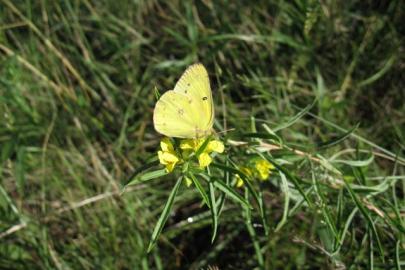
FMR restoration efforts emphasize pollinator health

Pollinators have had a rough go of things lately, with habitat loss and overabundant pesticide use leading to declines in many bee and butterfly species. However, it’s not all doom and gloom. These declines have sparked a renewed interest in pollinators, leading to new initiatives and funding for the conservation of these species. Find out what FMR and others are doing to protect pollinators in Minnesota.

Read more
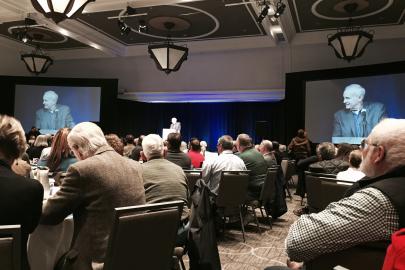
Making the most of the Governor's Water Summit

When over 800 Minnesotans gather in a windowless basement on the first beautiful spring-like day, there must be a compelling reason. In this case the reason was water. Residents of the Land of 10,000 Lakes showed up in droves to show their care and concern at the Governor's Water Summit. Among them, of course, were staff from FMR and our fellow water protection colleagues, plus 30 volunteer FMR River Protectors. Together, we made sure our top priorities for clean waters were heard loud and clear. Next up: Turning these basement conversations into noticeable improvements for Minnesotans' waters, communities and wildlife.

Read more
Governor Dayton opening the first ever MN Water Summit
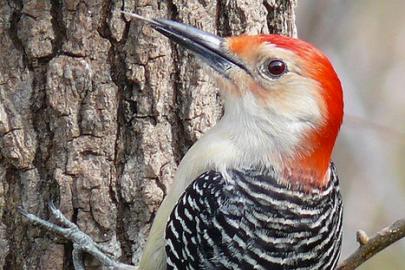
Knock, knock. It's the not-so-red-bellied woodpecker.

Territorial drumming of this common Minnesota species echoes throughout our late-winter woods.

Read more
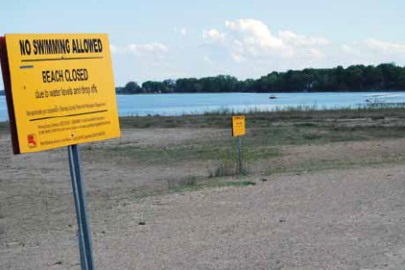
The real costs of pumping up White Bear Lake

Recently the Minnesota Department of Natural Resources released a much-anticipated report detailing cost estimates for pumping water from the Mississippi River to refill or "augment" shrinking White Bear Lake. The potential price tag?: $107 million, plus up to $4.1 million in annual operating costs. Given this, along with previous analyses casting doubt on such a system's potential effectiveness, FMR opposes any further state investment in such direct augmentation efforts.

Read more
Declining water levels in White Bear Lake have been big news for the northeast metro area for some time.
Midwestern winters bring owls together

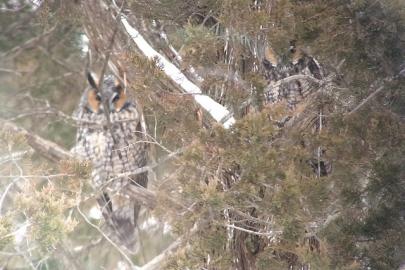
Most owls are solitary creatures, however some Midwestern species do in fact roost communally, such as the closely related long-eared (Asio otis) and short-eared (Asio flammeus) owls.

Read more
Long-eared owls in a red cedar
Restoring prairie and savanna in an old rail yard

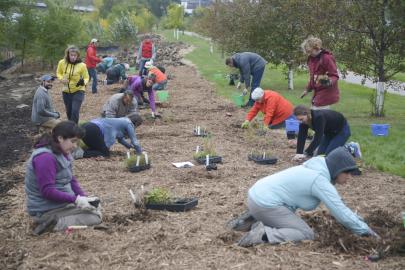
After a summer of planning, restoration is in full swing at Ole Olson Park. So far, the transformation at the site north of downtown Minneapolis has been dramatic. Restoration will continue in 2016 with the installation of roughly two acres of native prairie.

Read more
Best of 2015: a photographic year in review

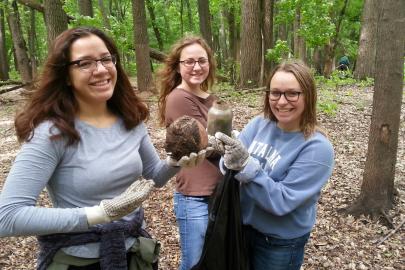
Thank you once again to our dedicated, enthusiastic volunteers! We had a record breaking year and couldn't have done it without you! Take a minute to check out our Best of 2015 Flickr photo album for a glimps of our year in review. We are working away to get the volunteer event schedule for 2016 set and hope to see many new and familiar faces at our upcoming events. FMR would also like to extend our thanks and gratitude to all of our event partners, sponsors and contributing members who help make these events possible.

Read more
World's largest cellulosic ethanol plant opens in Iowa

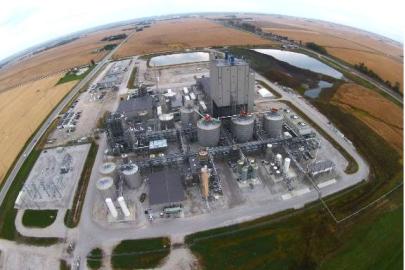
DuPont recently announced the opening of the world's largest cellulosic biofuel facility in Nevada, Iowa. The plant, which uses corn stover (the stems, stalks, leaves and husks of the corn plant) to produce ethanol, aims to produce approximately 30 million gallons of fuel per year. And it might not be good news.

Read more
DuPont's 30-million gallon per year cellulosic ethanol plant in Nevada, Iowa

Pages

Upcoming Events

Wednesday, November 18, 2026 - 5:30pm
Wabasha Taproom, St. Paul
November 1 - 19, 2026
Online