
Take action: Urge lawmakers to pass environmental funding bills
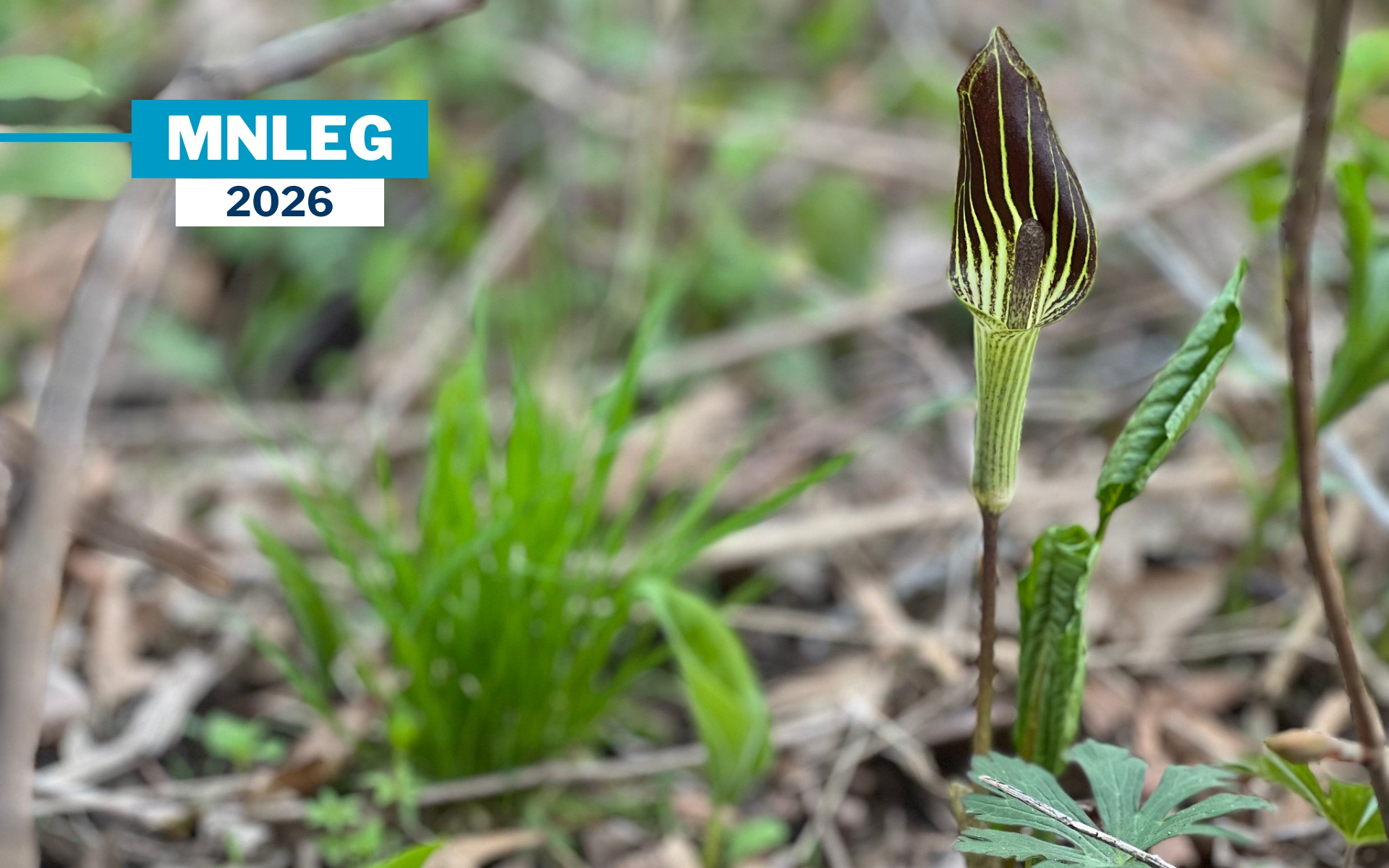
Restoration work at four FMR sites that would provide quality habitat for native plants, like this skunk cabbage, could be derailed if lawmakers don't pass environmental funding bills. (Photo by FMR)
May 21, 2026 update: Check out FMR's post-session legislative roundup to see how this and other priorities fared.
The clock is winding down on the legislative session, and more than 150 environmental projects are in limbo — including three significant FMR priorities.
Right now, it’s unclear if lawmakers have a plan to pass two dedicated environmental funding bills (the Environment and Natural Resources Trust Fund and Outdoor Heritage Fund bills — read more about these below) before the May 18 deadline. The bills include projects that have been vetted and recommended by impartial commissions, made up of both legislators and members of the public.
If lawmakers don’t act, it puts all of these projects at risk. What’s at stake for FMR and the river?
- Invasive species removal, native prairie and forest plantings, prescribed burns and other habitat work at four restoration sites in the Twin Cities.
- Design work for the previously approved invasive carp deterrent, which needs its deadline extended to summer of 2027 to best achieve the project’s goals.
- A study that will provide much-needed clarity around a massive question: What impacts would we see if two major locks and dams were removed?
Help us make sure these river priorities and all of the other important environmental projects get funding. Use the form to send a message to your state legislators. Urge them to advance the bipartisan recommendations included in this year's dedicated environmental funding bills.
More about FMR’s priorities
The Outdoor Heritage Fund bill includes two FMR priorities:
- $891,000 for the above-mentioned restoration work. Our ecologists on the Land Conservation team need these funds to move forward with planned restoration activities at Hastings Sand Coulee SNA, Rosemount Wildlife Preserve, Camp Cozy and Highlands of River Pointe.
- A deadline extension for the $12 million invasive carp deterrent planned for the Mississippi River at Lock and Dam 5, just upstream of Winona. The project itself was approved in 2024 and is underway, but an amendment is needed to extend the interim design deadline to 2027. The final installation deadline of 2029, would not change.
The Environmental and Natural Resources Trust Fund bill has in it:
- $923,000 for FMR to conduct a removal feasibility study for the Lower St. Anthony Falls Lock and Dam and Lock and Dam 1. This study will assess the potential for lock and dam removal, including the ecological and recreational benefits of the approach, and how removal could impact river infrastructure such as bridges, stormwater systems and utilities. This study is vital, because it will fill in the serious gaps found in the Army Corps' slow-moving, narrow-focused disposition study.
We need lawmakers to ensure both bills are voted on and approved, either as standalone bills or in part of a larger package, for this work — and dozens of other projects that benefit clean water and the outdoors — to move forward as planned.
The details: How this environmental funding works
Minnesota funds environmental projects primarily through two main pots. The Environment and Natural Resources Trust Fund, which is filled via Minnesota Lottery ticket purchases and was renewed by voters in 2024; and the Outdoor Heritage Fund, which gets money through the voter-approved Legacy Amendment.
There's a bipartisan commission tied to each of those funds, whose members sort through hundreds of proposals and subsequently make a recommendation on which projects should be supported. Then, typically, legislators follow those vetted recommendations and approve the funding without controversy or fanfare.
As the 2026 session enters its final few weeks, things aren't looking as simple. Time is short, and it's critical that lawmakers act quickly to reach an agreement before it's too late.
Become a River Guardian
Sign up and we'll email you when important river issues arise. We make it quick and easy to contact decision-makers. River Guardians are also invited to special social hours and other events about legislative and metro river corridor issues.